Prodajte
x
Pregledaj u prostoruPregledaj u prostoru AR pregledAR pregled Kupi print Kupi printKupi digitalnu sliku Kupi digitalnu sliku PošaljiPošalji
Detalji o deluDetalji o delu Dodaj u omiljene Dodaj u omiljene ПреузмиПреузми Slični predmetiSlični predmeti Rendgenski snimakRendgenski snimak SlajdoviSlajdovi

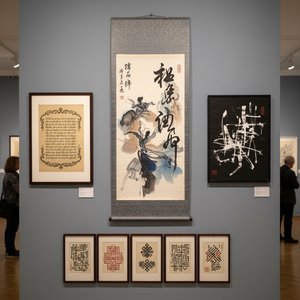
Buddhist Heart Sutra

Exquisite Buddhist Heart Sutra by Emperor Kōgon (1313-1364). Admire this monumental calligraphy scroll – a rare glimpse into Japanese imperial art & spiritual devotion. #BuddhistArt #JapaneseCalligraphy

Explore the art of Emperor Kōgon (1313-1364), a Japanese emperor known for Buddhist themes & innovative paintings. Discover his legacy through stunning works.

Ručno rađena uljana reprodukcija

Ručno oslikano uljanim bojama na platnu u dimenzijama i okviru po vašem izboru, izrađeno po porudžbini od strane naših umetnika. (Kupi print Kupi printKupi digitalnu sliku Kupi digitalnu sliku)

Standard
custom
CM
INCH

Izaberite jednu od naših unapred definisanih veličina koje odgovaraju originalnim proporcijama umetničkog dela.

širina
visina

Можете унети сопствене димензије како бисте прилагодили дело одређеном оквиру или простору. Ако одабрана величина не одговара пропорцијама оригинала, слика ће бити исечена или проширена додатним елементима који се ручно насликавају. Дигитални prikaz ће вам бити послат на одобрење пре почетка производње.
Имајте на уму да преглед на екрану не одражава стварно исецање или проширење. Само приказ (mockup) ће тачно приказати коначну композицију.
Иако су доступне прилагођене величине, препоручујемо да одаберете димензију из дефинисане листе како бисте сачували оригиналне пропорције.

Primeri onoga što se može promeniti: Zamena lica fotografijom kupca; Dodavanje ljubimca (npr. zamena mačke psom); Uključivanje skrivene poruke u pozadini; Promena pejzaža ili elemenata pozadine.
Nakon narudžbine, tim WahooArt.com će klijentu putem e-pošte poslati uputstva i dostaviti prikaz predloženog rešenja

Isporuka širom sveta () za 3/4 nedelje umesto uobičajenih 5 nedelja. (24 август). Bez kompromisa po pitanju kvaliteta.

why_choose_icon
Besplatna ekspresna dostava širom sveta
why_choose_icon
Visokokvalitetno laneno platno
why_choose_icon
Kompletno osiguranje transporta
why_choose_icon
Garancija povraćaja carine i uvoznih dažbina
why_choose_icon
Garancija vernosti boja
why_choose_icon
Politika povrata u roku od 60 dana (samo u slučaju nedostataka)
why_choose_icon
Garancija povrata novca od 100%
why_choose_icon
Popust pri grupnoj kupovini

Ukupna cena

$ 272

reproduction

Buddhist Heart Sutra

Tehnika reprodukcije

Dimenzije reprodukcije

-

Konačna cena

$ 272


Biografija umetnika

The Imperial Brush: The Spiritual Legacy of Emperor Kōgon

In the turbulent landscape of fourteenth-century Japan, amidst the political fragmentation of the Northern and Southern Courts, there emerged a figure whose influence transcended the mere boundaries of imperial governance. Emperor Kōgon (1313–1364) was not merely a sovereign navigating a period of profound instability; he was a visionary patron whose devotion to Buddhist iconography helped reshape the aesthetic soul of Northern Japan. Born into the prestigious Minamoto clan as Kazuhito, his early life was steeped in the traditions of the samurai, yet his spirit was irrevocably drawn toward the quietude of Buddhist scholarship and the meditative depths of philosophical inquiry. This unique intersection of martial lineage and spiritual intellect would become the cornerstone of his artistic legacy.

Kōgon’s ascension to the throne followed a period of intense succession crises, marking a decisive departure from the centralized authority of previous eras. While his political reign was brief, spanning only two years, the cultural ripples he created were immense. He viewed art not as a secular luxury, but as a vital instrument of spiritual reaffirmation and imperial legitimacy. By channeling his patronage toward the Mahayana traditions, he sought to bridge the gap between the earthly authority of the throne and the divine essence of the Buddha. His era witnessed an unprecedented surge in the creation of monumental works that utilized the sacred language of calligraphy and painting to communicate the eternal truths of the faith.

A Symphony of Ink and Devotion

The artistic output fostered under Kōgon’s influence is characterized by a profound synthesis of technical mastery and religious fervor. One of the most breathtaking examples of this era is the Buddhist Heart Sutra, an exquisite calligraphy scroll that serves as a rare window into the imperial devotion of the time. In these works, the brush does not merely record text; it performs a ritual. The flowing, rhythmic strokes of the characters are designed to guide the viewer through a meditative journey, mirroring the very essence of the sutra's teachings. This period saw a significant shift toward more elaborate and complex compositions, where the interplay of ink and void became a metaphor for the Buddhist concept of emptiness and form.

The techniques employed by the artists under his patronage were nothing short of revolutionary for the period. Drawing deep inspiration from the sophisticated landscape painting traditions of China, Japanese masters began to integrate more vibrant pigments and meticulous detailing into their work. This evolution brought about a new level of spiritual depth, as painters sought to capture:

  • The serene majesty of idealized Buddha figures that seemed to radiate light from within.
  • Meticulously rendered landscapes that functioned as spiritual microcosms.
  • A sophisticated use of color and texture to evoke the ephemeral nature of existence.
Through these advancements, the art of the Northern Court moved away from purely decorative functions toward a more profound, emotive engagement with the divine.

Historical Significance and Artistic Endurance

The historical significance of Emperor Kōgon lies in his ability to transform a period of political chaos into an era of artistic flourishing. While the Nanboku-chō period was defined by conflict between rival courts, Kōgon’s focus on Buddhist art provided a sense of cultural continuity and spiritual stability. He successfully utilized the medium of painting to assert a form of authority that was not dependent on military might, but on moral and religious prestige. His patronage laid the groundwork for future developments in Japanese Buddhist iconography, influencing the stylistic trajectory of much of the art produced in the centuries that followed.

Today, the legacy of Emperor Kōgon remains etched in the masterpieces that survived the fires of history. His contribution to the development of calligraphic scrolls and temple paintings continues to inspire scholars and art enthusiasts alike. To study his era is to witness a moment when the imperial brush was used to capture the infinite, turning the fleeting political struggles of a fractured nation into an enduring testament of faith and beauty. His life stands as a reminder that even in times of great upheaval, the pursuit of artistic excellence can create a lasting sanctuary for the human spirit.

emperor kōgon

emperor kōgon

1313 - 1364 , Japan

Osnovne informacije

  • Artistic Movement Or Style: Buddhist Art
  • Date Of Birth: 1313
  • Full Name: Kazuhito
  • Nationality: Japanese
  • Notable Artworks: ['Buddhist Heart Sutra']
  • Place Of Birth: Japan