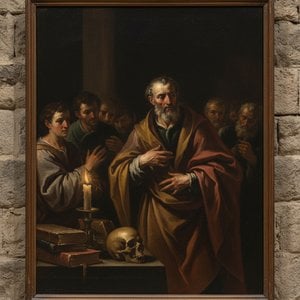
Доменикос Теотокoполос, познат као Ел Греко: Живот изграђен вером и пламеном
Доменикос Теотокoполос, свету познатији као Ел Греко – „Грк“ – био је сликар чији живот и дело надмашују лаке категоризације. Рођен 1541. године на острву Крит, тада под влашћу Венеције, његово уметничко путовање га је одвело преко Венеције и Рима, да би свој највећи израз доживео у духовном срцу Шпаније: Толеду. Ел Греко није био само производ ових места; он је синтетизовао њихове утицаје у нешто сасвим јединствено, стил који је најављивао емоционалну интензивност експресионизма и фрагментиране облике кубизма вековима касније. Његов рани тренинг у византијској традицији усадио му је пажњу за детаље и дубоко разумевање религиозне иконографије. Ова основа, међутим, није га ограничила. Подносио је своја дела на грчком, често додајући „Krḗs“ – Критски – као поносан израз свог порекла, чак док се упуштао у нове уметничке територије. Семена његовог препознатљивог стила била су посејана не само у техници, већ и у жутој религијској клими своје домовине и богатом тесању венецијанске уметности.
Од Венеције до Толеда: Трансформација
Прелазак у Венецију око 1567. године означио је преломни тренутак. Укључен у нагли уметнички поглед, Ел Греко је проучавао мајсторе – Тицијан, Тинторето, Веронезе – апсорбујући њихову способност боје, композиције и драматичног осветљења. Научио је да пусти свој четкицу, да пригрли сензуалност уљне боје и да прикаже фигуре са новом динамиком. Овај венецијански утицај видљив је у раним делима као што је *Свети Себастијан* (1600), где се анатомски детаљи беспрекорно мешају са готово позоришним коришћењем светлости и сенке. Наредна станица у Риму представила га је мањеризму, стилу карактерисаном дугачким облицима, изобличеним перспективама и софистицираним композицијама. Иако је показао значајан таленат, Ел Греко је имао потешкоћа да добије широку признавање у конкурентном римском свету уметности. Управо његов прелазак у Толедо 1577. године коначно је омогућио напретку његове јединствене визије. Град, тада средиште верске жуте током Контрареформације, пружио је и покровитељство и атмосферу повољну за његову интензивно религиозну слику.
Стил без премца
Уметнички стил Ел Грека одмах се препознаје – и сасвим задивљује. Његове фигуре су често драматично издужене, тела истегнута и искривљена у позе које преносе осећај духовне ектaзе или дубоке патње. Ово није једноставно стилско лудило; то је покушај да се прикаже непознато, емоционална и духовна реалност која лежи изван површине ствари. Мајсторски је користио боју – не нужно реалистичну боју, већ живе, често неуобичајене нијансе – како би појачао емотивни утисак свог рада. Драматично осветљење, са оштрим контрастом између светлости и сенке, ствара позоришни ефекат, увлачећи посматрача у срце сцене. *Полагање грофа од Оргаза* (1586-1588), сматра се његовим мајсторским делом, савршено илуструје ове особине. Слика приказује чудесни догађај – силазак светих да сахране благочестивог племића – са изузетном реалистичношћу у приказу савремених фигура поред етеричних, издужених облика који представљају божанску интервенцију. Он је спојио византијске традиције са техникама ренесансе, стварајући стил који је био иновативан и дубоко личан. Његова каснија дела постала су све мистичнија, одражавајући његове сопствене дубоке верске убеђења и растуће дистанцирање од уобичајених уметничких норми.
Заоставштина и поновно откривање
Упркос значајном успеху који је постигао током свог живота – добијајући важне поруџбине од цркава и манастира у Толеду – рад Ел Грека пао је у релативну заборав након његове смрти 1614. године. Вековима је био углавном преглеђен од стране историчара уметности, одбачен као ексцентричан или провинцијски уметник. Једва је у 20. веку почела да се цени његова генијалност. Уметници попут Пикаса и Брака препознали су га као претечу модерне уметности, посебно кубизма, дивећи му се изобличеним облицима и неуобичајеним перспективама. Његов експресионистички стил резоновао је са експресионистима који су тражили да пренесу емоционалну интензивност смелим бојама и драматичним композицијама. Данас се Ел Греко слави као једна од најважнијих фигура у западном свету уметности – визионарски сликар чије дело наставља да задивљује публику својом духовном дубином, емотивном моћи и јединственом уметничком визијом. Његове слике нису само репрезентације религиозних сцена; они су прозори у душу, сведочанства о трајној моћи вере и прославе способности човечког духа за надраштавање.
Истакнути радови
- Полагање грофа од Оргаза (1586-1588): Његово неспорно мајсторско дело, монументално дело које спојава реализам и духовну интензивност.
- Пут до Толеда (1596-1600): Драматичан пејзаж који приказује град у вртложачном, атмосферском стилу, хватајући његову суштину са готово визионарском квалитетом.
- Отварање петтег печата (1608-1614): Део серије инспирисане Књигом Откривања, ова слика илуструје Ел Грекову апокалиптичну визију и његову способност драматичне композиције.
- Свети Себастијан (1600): Моћна представа свеца, која комбинује анатомске детаље са позоришним осветљењем и емоционалном интензивношћу.
- Есполио (Основни део Христа) (1577-1579): Рано дело које приказује његове венецијанске утицаје и драматичну употребу боја и светлости.



 Pregledaj u prostoru
 Pređi na prodaju štampanih primeraka
 Podeli
 Podeli
 Detalji
 Vodič
Vodič

 Preuzmi sliku
 Slični predmeti
 Rendgenski snimak
 Automatska prezentacija
 Statistika


 Pročitaj više






































 Opcija sa staklom dostupna je samo za dimenzije manje od 110 cm