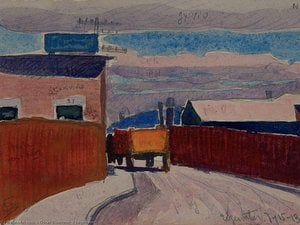
Primećena samoća: Život i umetnost Edvarda Hopera
Edvard Hoper, ime neraskidivo vezano za tišinu i suptilnu melanholiju koja je prožimala američki život 20. veka, nije bio samo slikar scena; bio je pesnik svetlosti i senke, hroničar moderne izolacije. Rođen u Njaku, u Njujorku, 1882. godine, u srednjem sloju društva od roditelja holandskog porekla, Hoperovo ranije godine pružile su stabilno odrastanje koje je negovalo njegove umetničke sklonosti. Već se iz dečjih skica, pažljivo datiranih i potpisanih, moglo videti da su oštro zapažanje i urođeni talenat za crtanje bili suštinski deo njegovog bića. Iako je u početku bio podstican na komercijalnu ilustraciju – što je bio pragmatičan predlog njegovih roditelja – Hoperove ambicije naginjale su se ka umetničkoj slikarstvu, što ga je dovelo do Škole umetnosti u Njujorku, gde je studirao kod Vilijama Merita Čejse i Roberta Henrija. Ove formativne godine nisu ugradile samo tehničku veštinu, već i poštovanje prema realizmu i posvećenost prikazivanju sveta onakvim kakvim ga je video – neukrasnim i iskrenim. Spisi Ralfa Valda Emersona duboko su odjekivali u Hoperu, učvršćujući njegov osećacija individualizma i oštro zapažanje – kvalitete koji će postati obeležja njegove umetničke vizije. Rani boravci u Parizu izložili su ga impresionizmu, ali se Hoper brzo odmaknuo od njegovih prolaznih poteza četkicom, stvarajući put koji je bio jedinstveno njegov.
Pronalaženje sopstvenog glasa: Realizam i američki pejzaž
Hoperov umetnički put nije bio trenutan niti lak. Borio se sa otkrivanjem svog prepoznatljivog glasa, eksperimentišući sa različitim stilovima pre nego što se skrasio u realizmu koji će definisati njegovu karijeru. To nije bilo puko reprodukovanje stvarnosti; bila je to destilacija njene suštine, uklanjanje suvišnih detalja kako bi se otkrila duboka emocionalna istina. Njegove slike počele su da se fokusiraju na svakodnevne scene – kuće, restorane, kancelarije, hotelske sobe – prožete osećajem mirovanja i često, usamljenosti. Posedovao je izvanrednu sposobnost da uhvati psihološka stanja svojih subjekata, nagoveštavajući narative bez njihove eksplicitne izmene. Precizno prikazivanje svetlosti i senke postalo je ključno, ne samo kao opisni elementi, već kao emocionalni znaci koji stvaraju atmosfere koje su istovremeno očaravaju i uznemirujuće.
Kuća pored železnice (1925), rano remek-delo, exemplifikuje ovaj pristup – naizgled jednostavna kompozicija koja zrači dubokim osećanjem izolacije i misterije. Hoperov print, koji se često zanemaruje, išao je paralelno sa njegovim slikarstvom, deleći slične teme i stilsku svojstva, demonstrirajući njegovo majstorstvo kroz različite medije. Nije bio zainteresovan za velike istorijske narative ili alegorijski simbolizam; fokusirao se na svakodnevicu, uzdižući je kroz pažljivo zapažanje i emocionalnu rezonancu.
Ikonične vizije: Noćni ptičari i šire
Iako se Hoperova karijera odvijala postepeno, određena dela su ga lansirala u široku prepoznatljivost.
Noćni ptičari (1942), nesumnjivo njegova najpoznatija slika, postali su trenutna ikona američke kulture. Scena u restoranu kasno u noći, okupana oštrim fluorescentnim svetlom, savršeno sažima otuđenost i anonimnost modernog urbanog života. Figure unutra su izgubljene u sopstvenim mislima, nepovezane jedne sa drugima uprkos blizini – što je dirljiv komentar na ljudsku suštinu.
Benzinska pumpa (1940), sa svojim upečatljivim prikazom benzinske stanice pored puta, pokazuje Hoperovu fascinaciju američkim pejzažima i rastućom kulturom automobila. Druga značajna dela poput *Automat*, *Kancelarija u malom gradu* i *Letnje vreme* nude jedinstvene uvide u složenost američkog društva 20. veka. Ove slike nisu bile samo prikazi mesta; bile su istraživanja raspoloženja, psihologije i suptilnih drama koje se odvijaju u običnim okruženjima. Njegova supruga,
Džozefin Nivison Hoper, igrala je vitalnu ulogu ne samo kao njegova životna saputnica, već i kao čest model, značajno doprinoseći karakterizaciji njegovih ženskih figura.
Teme i nasleđe: Trajni uticaj
Nekoliko ponavljajućih tema prožima Hoperovo delo. Urbana izolacija je možda najistaknutija – osećaj usamljenosti koji doživljavaju pojedinci čak i usred gomile. Istraživao je američki pejzaž, kako ruralni tako i urbani, često naglašavajući njegovu krutost i prazninu. Njegov rad prodire u psihološki realizam, ispitujući unutrašnje živote svojih subjekata sa osetljivošću koja prevazilazi puko predstavljanje. Tu je i podtekst nostalgije za jednostavnijom prošlošću, upoređen sa priznavanjem složenosti i anksioznosti modernog života. Hoperov uticaj na umetnike koji su došli posle njega je neosporan. Njegov jedinstveni stil inspirisao je bezbrojne slikare, uključujući Pierre Sanford Ross-a, i nastavlja da rezonuje sa savremenim umetnicima koji žele da uhvate suštinu ljudskog iskustva. Njegove slike ostaju veoma tražene od strane kolekcionara i izlažu se u glavnim muzejima širom sveta, učvršćujući njegovo mesto kao ključne figure u istoriji američke umetnosti. Više od običnog umetnika, Edvard Hoper je bio vizuelni filozof, nudeći duboke uvide u ljudsku sudbinu kroz svoje majstorstvo u korišćenju svetlosti, senke i kompozicije.
- Njegovo nasleđe ne leži samo u lepoti njegovih slika, već i u njihovoj trajnoj sposobnosti da podstaknu razmišljanje, izazovu emociju i podsete nas na tihu samoću koja često definiše naše živote.
- Hoperovo delo nastavlja da očarava publiku jer govori o univerzalnim temama usamljenosti, izolacije i potrage za smislom u svetu koji se brzo menja.
- Njegove slike su postale ikonični prikazi američke kulture, često korišćeni kao simbol anksioznosti i težnji 20. veka — i nakon njega.
- Hoperova estetika je duboko uticala na filmske redatelje (poput Alfreda Hičkoka) i pisce, inspirišući bezbrojna dela koja istražuju slične teme otuđenosti i psihološke tenzije.
Sposobnost Edvarda Hopera da sa iskrenošću, osetljivošću i jedinstvenom umetničkom vizijom uhvati suštinu modernog američkog života osigurava mu mesto jednog od najvažnijih umetnika 20. veka.



 Pregledaj u prostoru
 Pređi na prodaju štampanih primeraka
 Podeli
 Podeli
 Detalji
 Vodič
Vodič

 Preuzmi sliku
 Slični predmeti
 Rendgenski snimak
 Automatska prezentacija
 Statistika

 Pročitaj više