

Umetničko delo prikazano na ovoj stranici zaštićeno je autorskim pravima, što znači da zakonski nismo u mogućnosti da kreiramo niti prodajemo identičnu reprodukciju. Ova zaštita se sprovodi u skladu sa međunarodnim sporazumima kao što su Bernska konvencija i nacionalnim zakonima, uključujući i one koji su definisani u Američki zakon o autorskom pravu – Naslov 17.
Ovaj metod je u potpunosti usklađen sa regulativama o autorskim pravima jer ne podrazumeva kopiranje ili dupliranje zaštićenih umetničkih dela. Umesto toga, reč je o kreativnoj reinterpretaciji – novom slikarskom delu koje je inspirisano originalom, ali nije identično njemu.
Giclée štampa ili print na platnu muzejskog kvaliteta uz brzu izradu i raznovrsne opcije završne obrade. ( Kupite ručno oslikano delo Pređi na digitalnu sliku)





























Izaberite jednu od naših unapred definisanih veličina koje odgovaraju originalnim proporcijama umetničkog dela.

Unesite željenu širinu i visinu kako bi se štampa uklopila u vaš ram ili zid. Štampu je moguće samo iseći, ali nikada povećati iznad dimenzija originalne slike, stoga format sa drugačijim proporcijama uzrokuje gubitak dela slike. Pre početka štampe, poslaćemo vam digitalni prikaz radi potvrde. Slika prikazana na ovoj stranici ne predstavlja stvarni isrez — to pokazuje samo digitalni prikaz.
Dostava širom sveta () za 2 nedelje umesto uobičajenih 4/5 nedelja. (15 новембар)
Capron House
Dimenzije reprodukcije
In the vast landscape of American modernism, few works capture the heavy, cinematic silence of rural life as poignantly as Edward Hopper’s 1931 watercolor, Capron House. This piece is far more than a mere depiction of a farmhouse; it is a profound meditation on solitude and the unspoken narratives that dwell within the stillness of a domestic scene. As the eye wanders across the composition, one is immediately struck by the sense of contemplative calm that defines Hopper’s signature style. A modest white clapboard house, crowned with a vibrant red roof, stands in quiet dialogue with a weathered barn, anchoring the viewer to a moment frozen in time. The presence of two figures on the porch, their postures suggesting a detached observation of their surroundings, adds a layer of psychological depth, inviting us to wonder if they are contemplating the day's labor or simply absorbing the profound tranquility of the countryside.
The scene is further enriched by the subtle inclusion of everyday artifacts—a parked truck and various vehicles scattered across the lawn. These elements serve as gentle reminders of the realities of rural existence during the early 20th century, grounding the ethereal mood in a tangible, lived reality. For the collector or interior designer, this painting offers a unique window into a bygone era, providing a focal point that is both intellectually stimulating and visually soothing. It is a work that does not demand attention through loud colors or chaotic movement, but rather earns it through a steady, rhythmic grace that settles deeply into the spirit of a room.
Hopper’s technical prowess in Capron House lies in his ability to use the delicate medium of watercolor to sculpt form and atmosphere. Eschewing dramatic or jarring palettes, he favors muted, earthy hues that heighten the emotional resonance of the landscape. His technique is characterized by precise washes and subtle gradations of tone, which allow light to become a character in its own right. The diffused light bathing the farmhouse does not merely illuminate the architecture; it softens the edges of reality, casting shadows that delineate the textures of wood and stone while emphasizing the isolation of the figures. This careful rendering of light and shadow creates a palpable sense of realism, making the atmosphere feel thick with memory and stillness.
For those seeking to incorporate such mastery into their personal spaces, the beauty of this piece lies in its textural richness. The way the light falls upon the white clapboard and the weathered surfaces of the barn provides a visual depth that is incredibly captivating. It is a masterclass in how subtle tonal shifts can convey immense psychological weight, making the painting an ideal choice for those who appreciate art that speaks through nuance rather than noise.
To understand Capron House, one must consider the era from which it emerged. Painted during the Great Depression, the work carries an inherent weight of the period's economic and social uncertainties. Yet, Hopper does not lean into tragedy; instead, he explores the architecture of solitude. He presents loneliness not as a catastrophe, but as a fundamental, almost sacred, state of being. This perspective allows the viewer to find beauty in the quietude, transforming a simple rural scene into a universal symbol of introspection and peace.
The emotional impact of the piece is enduring. It evokes a sense of nostalgia for a slower pace of life, making it an evocative addition to any curated collection or sophisticated interior design project. Whether placed in a sunlit study or a quiet corner of a living space, Capron House serves as a constant reminder of the beauty found in the moments between actions—the heavy, electric tension of the stillness that exists when the world stops to breathe.
Preuzimanje je dostupno za "Capron House": na stranici Preuzimanje digitalnog prikaza ovog umetničkog dela možete preuzimanje digitalne slike visoke rezolucije.
"Capron House" prikazuje rural landscape, domestic scene, american vernacular, tranquility, isolation, suburban life, vehicle presence, evening light, dok su dokumentovane teme umetnika Edvard Hoper zapravo realism, light & shadow, urban silence, domestic routine, hopper legacy. Poređenje ova dva elementa pokazuje kako se ovo delo povezuje sa uobičajenim motivima ovog umetnika.
Vodič za "Capron House" je stranica Vodič za učenike za ovo umetničko delo – štampani informativni list koji prikazuje delo sa njegovim opisom, podacima o autorstvu i identifikacionom tabelom (umetnik, datumi, tehnika, originalna veličina, kolekcija).

Edvard Hoper je rođen u Njaku, Sjedinjene Američke Države. Svoje rane godine proveo je posmatrajući svet istodobnim i nepokolebljivim pogledom, navikom koja je počela još u detinjstvu kroz pedantno datirane i potpisane skice. Iako su njegovi roditelji sugerisali praktičniji put kroz komercijalnu ilustraciju, njegova pažnja ostala je usmerena ka visokoj umetnosti. Studirao je u Školi umetnosti u Njujorku kod Vilijama Merita Čejsa i Roberta Henrija. Te godine naučile su ga tehničkoj veštini neophodnoj za prikazivanje sveta onakvim kakav jeste – neukrasnim i iskrenim. Nije tragao za prolaznim potezima impresionista koje je sretao u Parizu; umesto toga, razvio je način gledanja koji je favorizovao mir i nepomičnost trenutka nasuprot pokretu gomile.
Njegov rad se često fokusira na svakodnevno, na ono što je obično. Posmatrao je kuće, restorane, kancelarije i hotelske sobe, skidajući suvišne detalje kako bi otkrio duboku emocionalnu istinu scene. U delu Kuća pored železnice (1925), jednostavna kompozicija otkriva osećaj misterije i izolacije. Svetlost i senka za njega nisu bile samo sredstva za opisivanje prostora, već način za stvaranje atmosfere. Precizno prikazivanje senke na zidu ili način na koji svetlost pada na prozor postalo je njegov način komuniciranja psihološkog stanja svojih subjekata.
Način na koji svetlost ulazi u prostor predstavlja centralnog lika u njegovim slikama. U delu Nighthawks (1942), oštra fluorescentna svetlost restorana kasno u noć seče kroz tamu napuštene urbane ulice. Figure unutra su fizički blizu, ali deluju izgubljeno u sopstvenim mislima, potpuno odvojene jedna od druge. Taj osećaj anonimnosti u prepunom gradu postao je njegova stalna tema. Hoper je uspešno uhvatio napetost boravka samog u javnom prostoru, osećaj koji odjekuje u delima kao što su Automat i Kancelarija u malom gradu. Bio je fasciniran načinom na koji veštačka svetlost komunicira sa prirodnom tamom noći.
Njegova supruga, Džozefin Nivison Hoper, bila je njegova stalna prisutna figura. Bila je umetnica i često mu je služila kao model, a njeno prisustvo se oseća u karakterizaciji mnogih njegovih ženskih figura. Zajedno su živeli skromnim životom, često provodeći leta u Novoj Engleskoj, što je snažno uticalo na pejzaže koje je slikao. Njegovi prikazi američkog pejzaža, bilo da su ruralni ili urbani, često naglašavaju određenu surovost ili prazninu. Bilo da je reč o benzinskoj pumpi pored puta u delu Gas (1940) ili tihoj sobi u hotelu, subjekat je uvek presek fizičkog mesta i privatnog, unutrašnjeg iskustva.
Hoperov uticaj proteže se u vizuelni jezik filma i književnosti. Njegova sposobnost da kroz kompoziciju stvori osećaj psihološke napetosti primećena je kod mnogih koji proučavaju način na koji se priče prenose putem slika. Njegova dela se nalaze u vodećim svetskim muzejima, u kolekcijama kao što su Muzej američke umetnosti Whitney i Muzej lepih umetnosti u Bostonu. On nije težio velikim istorijskim narativima; svoju temu je pronalazio u tišim uglovima svakodnevnog života, pretvarajući običan prozor ili prolaznog stranca u studiju ljudskog stanja. Njegov rad ostaje studija tišine koja postoji između ljudi.

1931 - 1967 , SAD

Step into the evocative world of American Realism with our curated guide to the 25 most iconic Edward Hopper paintings. Explore the profound beauty of light, shadow, and urban solitude through museum-quality art stories and decor inspiration. Discover all masterpieces on WahooArt.com.

Explore iconic works by Hopper and Bacon that capture profound solitude. Discover museum-quality masterpieces on WahooArt.com.

Explore the profound emotional landscapes of Mark Rothko. An expert editorial on Color Field painting, decoding the spiritual depth, technique, and enduring legacy of these abstract masterpieces for the discerning global collector.
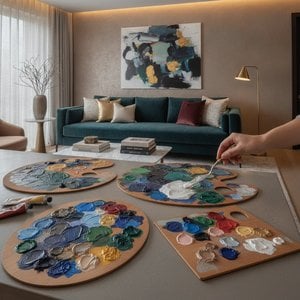
Elevate your interiors with expert guidance on color theory and art selection. Discover how to achieve chromatic equilibrium using hand-painted oil reproductions and bespoke commissions from WahooArt.com, the global authority in museum-quality fine art for luxury spaces.

Discover the ethereal beauty of watercolor through an art-historical lens. Master the delicate balance of light, fluidity, and pigment to capture the luminous essence of nature, inspired by the legendary techniques of the Old Masters and Impressionist greats.
 Pregledaj u prostoru
 Pošalji
 Podeli
 Detalji o delu
 Vodič
Vodič

 Preuzmi
 Slični predmeti
 Rendgenski snimak
 Automatska prezentacija
 Pitanja i odgovori
 Statistika

 Pročitaj više









 Opcija sa staklom dostupna je samo za dimenzije manje od 110 cm


