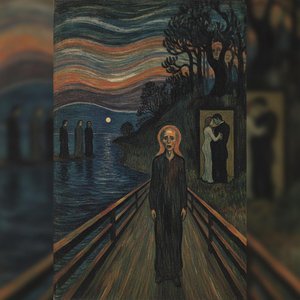
Edvard Munch's "The Scream": A Chronicle of Modern Anxiety
Edvard Munch’s “The Scream,” painted in 1893, isn't merely an artwork; it is a visceral cry echoing through the corridors of modern consciousness. More than just a depiction of a scene, it embodies a profound sense of existential dread, alienation, and anxiety—emotions that continue to resonate deeply with audiences across generations. This iconic image stands as a cornerstone of Expressionism, rejecting traditional representational art in favor of conveying raw, internal emotional experience. The late 19th century was a period of immense social upheaval, rapid industrialization, and philosophical uncertainty in Europe, and Munch’s masterpiece captures this zeitgeist with unsettling accuracy, reflecting the fragmentation and unease that defined modern life.
The Composition's Unsettling Power: A Visual Vortex
What immediately strikes the viewer is the deliberate disquiet of the composition. The gaunt, almost androgynous figure dominating the foreground clutches its head in a gesture of profound anguish, mouth agape in what appears to be a silent scream. This isn’t a scream directed at something specific; it's an internal eruption—a feeling of being overwhelmed by isolation and despair. Munch masterfully employs swirling lines and distorted forms to create a sense of chaos and instability. The flattened perspective draws the viewer directly into this emotional vortex, foregoing any realistic spatial experience. Observe how the bridge recedes diagonally into the distance, mirroring the figure’s internal turmoil. The two shadowy figures in the background, walking away, amplify the protagonist's isolation—symbols perhaps of indifference or an inability to truly connect with another's suffering.
A Palette of Despair: Color and Technique
Munch’s technique further intensifies the emotional impact. He utilized oil paints with broad, visible brushstrokes, often scraping and manipulating the surface to create a raw, textured quality that amplifies the work's visceral nature. The color palette is particularly striking—fiery oranges and reds clash dramatically with cool blues and greens, creating an unsettling vibrancy. This isn’t a harmonious blend; it’s a visual representation of inner conflict. The vibrant hues aren't meant to depict a pleasant sunset but rather to convey the intensity of the emotional experience. The visible brushstrokes themselves contribute to the sense of urgency and unrest—as if the painting were created in a moment of intense feeling, capturing a fleeting glimpse into the artist’s tormented psyche.
Beyond Representation: Symbolism and Enduring Resonance
“The Scream” transcends mere representation; it's a symbolic exploration of universal human anxieties. It speaks to feelings of alienation, dread, and the overwhelming nature of modern existence—themes that remain profoundly relevant today. Munch wasn’t simply depicting a scene from life; he was translating an intensely personal, internal state onto canvas. The figure isn't screaming *at* something but rather *from* something – a deep well of despair. The enduring power of “The Scream” lies in its ability to tap into these primal emotions, resonating with viewers regardless of their cultural background or historical context. It serves as a poignant reminder of the fragility of human existence and the ever-present potential for anxiety and isolation in an increasingly complex world.
Pitanja i odgovori
Koji je datum nastanka dela „Врисок”, Едвард Мунх?
„Врисок“ potiče iz 1893. Ovaj datum smešta delo u okviru karijere umetnika Едвард Мунх i njegove ere.
Koliko svetlosti se čini da boje dela "Врисок" reflektuju?
Luminansa zabeležena za „Врисок”, Едвард Мунх iznosi Blaga senka.
Šta prikazuje „Врисок”, Едвард Мунх i kakvo je raspoloženje dela?
„Врисок”, Едвард Мунх spaja anxiety, scream, isolation, landscape, modernity, emotion, turmoil sa Dramatično atmosferom.



 Pregledaj u prostoru
 Naručite ručno oslikano reprodukciju
 Podeli
 Podeli
 Detalji
 Vodič
Vodič

 Preuzmi sliku
 Slični predmeti
 Rendgenski snimak
 Automatska prezentacija
 Statistika


 Pročitaj više






































 Opcija sa staklom dostupna je samo za dimenzije manje od 110 cm