Nabavite datoteku spremnu za štampu koja nudi znatno veći kvalitet od onlajn pregleda. Svaka digitalna slika koju nudimo potiče iz visokorezolucičnog master fajla iz naše baze — obično širine od 5.000 do 15.000 piksela — što vam omogućava štampu u velikom formatu, precizno kadriranje ili bezbrižnu reprodukciju najfinijih detalja.
Nijedan fajl ne napušta naš studio netaknut. Digitalni stručnjak vrši proveru boja u odnosu na originalno delo i koriguje ih po potrebi, a zatim unapređuje jasnoću i detalje pomoću profesionalnih alata za retuširanje — uvek ostajući veran umetnikovim potezima četkice i stilu. Rezultat je slika koja izgleda kao pravo delo, a ne kao sken sa filterom.
Proverite i odobrite pre završetka: naš stručnjak vam šalje sliku putem e-pošte u roku od 72 sata na pregled. Niste zadovoljni? Zatražite poboljšanja ili ispravke, ili tražite povraćaj novca ukoliko kvalitet ne ispunjava vaša očekivanja.
Ovo je kvalitet kojem poverenje ukazuju izdavači, dizajnerski studiji, galerije i štamparije.
Preuzmite datoteku visoke rezolucije za ličnu upotrebu, štampanje i kreativne projekte. ( Pređi na štampu Kupite ručno oslikano delo)
Kada odaberete WahooArt.com, ne dobijate samo sliku – vi primate profesionalno unapređeno digitalno umetničko delo, izrađeno sa najvećom preciznošću i uz garanciju zadovoljstva. Evo svega što automatski dolazi uz vašu porudžbinu:
Vaša digitalna slika visoke rezolucije biće vam poslata putem e-pošte u roku od 72 sata od poručivanja – spremna za trenutnu upotrebu.
Vaše umetničko delo je profesionalno optimizovano primenom naprednih AI alata i ručne obrade, čime se osiguravaju maksimalni detalji, oštrina i preciznost boja.
Slučajno ste obrisali ili izgubili svoju datoteku? Ne brinite – poslaćemo vam je ponovo u bilo kom trenutku, potpuno besplatno.
Uživajte u svojim umetničkim delima trenutno, bez carine, akciza ili troškova dostave – digitalni download je uvek bez poreza.
Uz pomoć profesionalnih alata i upravljanja bojama, osiguravamo da vaša digitalna slika što vernije odražava originalne boje.
Ako niste zadovoljni svojom digitalnom slikom, izvršićemo reviziju ili ćemo vam vratiti 100% novca u roku od 100 dana – bez ikakvih pitanja.
Niste zadovoljni? Dobijte puni povraćaj novca u roku od 100 dana od prijema digitalne datoteke – bez suvišnih pitanja.
Kupite 3 slike, uštedite 10% - Kupite 5 slika, uštedite 15% - Kupite 10+ slika, uštedite 20%. Odlično za kreativne projekte, galerije i agencije.
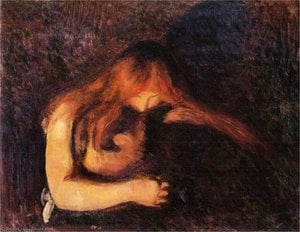
Edvard Munch's "Vampire," painted in 1894, isn’t merely a depiction of a nocturnal scene; it’s a visceral plunge into the artist’s own tormented psyche. This expressionist masterpiece, rendered in stark black and white photography, captures a moment suspended between terror and an unsettling fascination – a visual embodiment of Munch's lifelong struggle with mortality, illness, and the pervasive sense of dread that haunted his existence. The photograph itself, a faithful reproduction of the original painting, immediately draws the viewer into its shadowed world, hinting at the emotional intensity contained within.
The composition is dominated by a figure lying prone, their head turned away from the viewer, seemingly lost in contemplation or perhaps confronting an unseen horror. Two birds, wings outstretched and poised mid-flight, flank this central figure – symbols of both predatory instinct and fleeting hope. Their placement isn’t casual; they actively participate in the scene's unsettling drama, suggesting a constant threat lurking just beyond perception. The stark contrast between light and shadow is crucial to Munch’s technique, creating an atmosphere of palpable unease. He employed a limited palette, emphasizing the dramatic interplay of tones to heighten the emotional impact, foregoing detailed rendering for expressive brushstrokes that convey raw feeling.
To understand “Vampire,” one must delve into the deeply personal context of Munch’s life. The painting emerged during a period of intense psychological distress, fueled by the early deaths of his mother and sister from tuberculosis – experiences that irrevocably shaped his artistic vision. These losses weren't simply biographical events; they became foundational to his exploration of themes like sickness, death, and the fragility of human existence. His father’s strict religious beliefs further contributed to a sense of unease, creating an environment where emotional expression was often suppressed, leading Munch to find solace and release through art.
The figure in "Vampire" is widely interpreted as a self-portrait, embodying Munch's own anxieties and vulnerabilities. The averted gaze suggests a retreat from the world, a desire to escape the horrors he perceived within himself and around him. The birds, often associated with both life and death, could represent the inescapable forces of nature or perhaps even the predatory aspects of human relationships – mirroring the artist’s own feelings of being hunted by his demons.
Munch's use of symbolism is deliberately ambiguous, inviting multiple interpretations. The “vampire” itself isn’t explicitly depicted; instead, it’s implied through the atmosphere of dread and the predatory birds. This deliberate vagueness allows viewers to project their own fears and anxieties onto the scene, making "Vampire" a profoundly personal experience. The painting exemplifies key elements of Expressionism – an artistic movement that sought to convey subjective emotions rather than objective reality. Munch’s distorted forms, exaggerated lines, and intense color palette (though rendered in monochrome here) are all designed to evoke a powerful emotional response.
Furthermore, the photograph's stark black and white treatment amplifies the painting's inherent drama. The absence of color forces the viewer to focus on the composition, line, and texture – elements that contribute significantly to the work’s unsettling atmosphere. The technique mirrors Munch’s broader exploration of light and shadow as metaphors for psychological states, highlighting the interplay between darkness and illumination within the human soul.
"Vampire" remains a hauntingly relevant artwork, continuing to resonate with audiences today. It's not a comfortable image; it confronts us with our own fears about mortality, illness, and the darker aspects of human nature. As a reproduction offered by WahooArt.com, this piece provides an exceptional opportunity to experience Munch’s genius firsthand, bringing his intensely personal vision into your home or studio. The meticulous detail captured in the photograph ensures that every nuance of the original painting is faithfully reproduced, allowing you to appreciate the artist's masterful technique and profound emotional depth.
„Vampire“ je dostupan kao ručno oslikana uljana reprodukcija na lanenom platnu. Porudžbinu možete izvršiti na stranici Ručno oslikana reprodukcija ulja na platnu, uz mogućnost izbora veličine.
Umetnički pravac koji se povezuje sa delom „Vampire”, autor Едвард Мунх je Expressionist Painting. Ova klasifikacija smešta rad među srodne umetnike i umetnička dela.
Za prostoriju kao što je Living Room, za delo "Vampire" preporučujemo štampu u veličini od Large.

1863 - 1944 , Шведска
 Pregledaj u prostoru
 Pošalji
 Podeli
 Detalji o delu
 Vodič
Vodič

 Preuzmi
 Slični predmeti
 Rendgenski snimak
 Automatska prezentacija
 Pitanja i odgovori
 Statistika

 Pročitaj više