

Giclée štampa ili print na platnu muzejskog kvaliteta uz brzu izradu i raznovrsne opcije završne obrade. ( Kupite ručno oslikano delo Pređi na digitalnu sliku)





























Izaberite jednu od naših unapred definisanih veličina koje odgovaraju originalnim proporcijama umetničkog dela.

Unesite željenu širinu i visinu kako bi se štampa uklopila u vaš ram ili zid. Štampu je moguće samo iseći, ali nikada povećati iznad dimenzija originalne slike, stoga format sa drugačijim proporcijama uzrokuje gubitak dela slike. Pre početka štampe, poslaćemo vam digitalni prikaz radi potvrde. Slika prikazana na ovoj stranici ne predstavlja stvarni isrez — to pokazuje samo digitalni prikaz.
Dostava širom sveta () za 2 nedelje umesto uobičajenih 4/5 nedelja. (20 новембар)
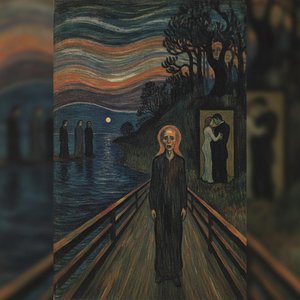
Passion
Dimenzije reprodukcije
Zabeležene vrednosti za „Passion”, autor Едвард Мунк su: osvetljenost shadow, luminansa Soft Shadow.
„Passion”, autor Едвард Мунк je zabeležen sa Muted zasićenosti i Monochromatic intenzitetom.
Emocionalni ton zabeležen za „Passion”, autor Едвард Мунк je Melancholic, što sažima osećaj koji ovo delo izražava.


Journey through the raw emotion of Expressionism. Explore 10 iconic masterpieces, from Munch to Kandinsky, revealing the stories behind their bold colors and brushwork. Find museum-quality art reproductions for your decor. Discover all masterpieces on WahooArt.com.

Explore iconic Expressionist works by Munch and Kandinsky. Discover the power of emotion on WahooArt.com.
Journey through the raw emotion of Expressionism with our curated guide to Edvard Munch's top 25 masterpieces. Explore the stories behind his most iconic works and find museum-quality art reproductions for your collection. Discover all masterpieces on WahooArt.com.
 Pregledaj u prostoru

 Pošalji
 Podeli
 Detalji o delu
 Vodič


 Preuzmi
 Slični predmeti
 Rendgenski snimak
 Automatska prezentacija
 Pitanja i odgovori

 Statistika


 Pročitaj više









 Opcija sa staklom dostupna je samo za dimenzije manje od 110 cm


