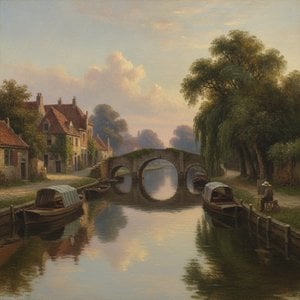
Париски бунтовник: Живот и дело Едуарда Манеа
Едуард Мане, рођен 1832. године у Паризу из удобне буржоаске породице, готово да није био предодређен за живот револуционарног уметника. Његов отац, угледни судија, замислио је сигурну будућност за свог сина у праву или можда морнарици – поштована занимања која одговарају њиховом друштвеном статусу. Ипак, чак и као млади дечак, Манеово срце је припадало уметности. С једанаест година започео је формалну наставу цртања, а иако је кратко време био заједнички са академским сликаром Томасом Кутуром, брзо је открио да су Кутурове ригидне методе задушавајуће. Ова рана отпорност предзнаменовала је живот проведен у изазовима уметничких конвенција. Мане није био заинтересован за једноставно реплицирање прошлости; тражио је да ухвати ваибрираност – а понекад и непријатне стварности – модерног париског живота. Често је посећивао Лувр, не само да би копирао Старе мајсторе, већ и да би анализирао њихове технике, учећи од уметника као што су Каравађо и Веласкез како светлост и сенка могу обликовати форму и будити емоције. Међутим, права прекретница у Манеовом стварачком путу била је промена у уметничким струјањима, посебно успон реализма који је заговарао Гюстав Курбе. Курбеов нагласак на приказивању сваког дана без идеализације дубоко је резоновао са Манеом, ослобађајући га од ограничења историјских или митолошких тема.
Преламање с традицијом: Скандал и иновација
Педесетих година деветнаестог века био је период интензивне уметничке бурности у Паризу, а Мане се нашао у самом центру тога свега. Долазак јапанских штампа – *укијо-е* – продубио је његову естетску осетљивост. Завладали су га њихови спљоштени перспективе, смеле композиције и запањујуће употребе боја, елементи који ће постати обележја његовог стила. Овај утицај, у комбинацији са његовим растућим одбацивањем академског сјаја, довео је до дела која су шокирала и скандалисала париски свет уметности.
Le Déjeuner sur l'herbe (Ручак на трави), изложен на Salon des Refusés 1863. године – изложба за радове одбијене званичног салона – постао је праштање контроверзи. Слика, која приказује голу жену лежерно пикничи са два потпуно обучена мушкарца, није била само о голутији; било реч о томе *како* је та голутија представљена. Манеове фигуре нису имале идеализоване облике и митолошки контекст традиционалних голића. Они су били несумњиво модерни, суочавајући гледаоца са непријатним директношћу. Скандал око
Ручка на трави само се продубио његовим мајсторским делом из 1865. године,
Олимпијом. Ова слика, делимична реинвенција Тицијанове *Венерине Урбина*, представила је савремену проститутку која смело гледа у гледаоца. Непосредни реализам и провокативна тема наишла су на општу осуду. Критичари су оптужили Манеа за вулгарност и уметничку неспособност, али испод беса легала је претвaра да је он фундаментално мењао језик сликарења.
Прелазак на импресионизам: Светлост, кретање четкицом и савремени живот
Иако никада није у потпуности прихватио ознаку „импресиониста“, његов утицај на покрет био је несумњив. Делио је њихов одбацивање академских конвенција и њихову посвећеност снимању мимотретних ефеката светлости и атмосфере. Излагао је заједно са Монеом, Реноаром, Дегасом и другима на независним изложбама импресиониста, што је учврстило његову позицију кључне фигуре у авангарди. Манеова техника се развијала према слободнијим потезима четкицом, који су приоритет дали утиску форме уместо прецизних детаља. Експериментисао је са бојом, често користећи оштре контрасте како би створио драматичне ефекте. Поред скандалозних голића, Мане је истраживао широк распон тема: портрете – укључујући запањујуће приказе његове жене Сузан и уметника Емила Зола; сцене париског ноћног живота, као што је
A Bar at the Folies-Bergère, који мајсторски снима елиминацију и спектакл модерног урбаног живота; и интимне кућне сцене. Он није само документовао ове предмете; он их је испитивао, постављајући питања друштвеним нормама и изазивајући конвенционална схватања лепоте.
Наслеђе и трајни утицај
Превремени Манеов одлазак 1883. године због сифилиса прекинуо је каријеру која је већ непромењиво променила ток историје уметности. Иако се његов углед знатно повећао након смрти, његов утицај је одмах осетила млађа генерација уметника који су га препознали као ослободилаца. Разбио је баријере, изазивајући традиционална схватања тема, техника и уметничких циљева.
- Његов нагласак на снимању савременог живота отворио је пут импресионизму и поствумпресионизму.
- Његова иновативна употреба кретања четкицом и боје утицала је на генерације сликара.
- Његова спремност да се суочи са непријатним истинама о друштву приморала је гледаоце да преиспитају сопствена претпоставке.
Манеове слике и данас резонују, не само због њихове естетске лепоте, већ и због своје трајне релевантности. Он остаје кључна фигура у транзицији од реализма до импресионизма и заслужено је прослављен као један од оснивача модерне уметности – париски бунтовник који се усудио да слика свет онако како га је видео, са свим његовим сложеностима и контрадикцијама. Његов рад служи као моћна подсетност да стварна уметничка иновација често долази на трошку изазивања утврђених норми и прихватања непријатних истина нашег времена.



 Pregledaj u prostoru
 Naručite ručno oslikano reprodukciju
 Podeli
 Podeli
 Detalji
 Vodič
Vodič

 Preuzmi sliku
 Slični predmeti
 Rendgenski snimak
 Automatska prezentacija
 Statistika


 Pročitaj više






































 Opcija sa staklom dostupna je samo za dimenzije manje od 110 cm