BESPLATNA KONSULTACIJA SA STRUČNJAKOM ZA UMETNOST

x
Kupi štampu Kupi štampuNaručite reprodukciju Naručite reprodukciju PošaljiPošalji
Detalji o deluDetalji o delu Dodaj u omiljene Dodaj u omiljene ПреузмиПреузми Slični predmetiSlični predmeti Rendgenski snimakRendgenski snimak SlajdoviSlajdovi

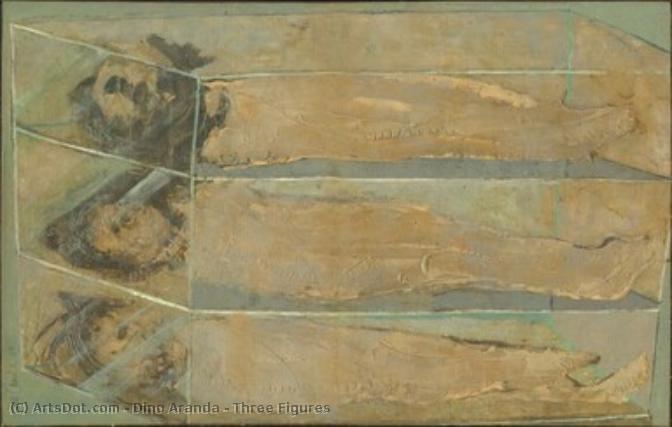
Three Figures

Explore Dino Aranda’s ‘Three Figures’ (1968) – a fragmented, impressionistic oil painting featuring muted tones & layered textures. A unique piece of Latin American art.

Discover Dino Aranda, a Nicaraguan-born artist known for evolving contemporary works exploring Latin American identity & abstract forms. See his art now!

Kupite digitalnu sliku visoke rezolucije i poboljšanog kvaliteta, koja je znatno superiornija od onoga što vidite u online prikazu.

Svaka datoteka je pedantno pripremljena od strane naših stručnjaka koristeći napredne alate i profesionalnu ručnu retušu. Osiguravamo da svaka slika ima izuzetnu oštrinu, preciznu reprodukciju boja i fine detalje.

Konačna datoteka se dostavlja putem e-pošte u roku od 72 sata, optimizovana za neposrednu upotrebu u profesionalnim, izdavačkim i štamparskim okruženjima. To je isti kvalitet kojem veruju vrhunski studiji dizajna, izdavači i galerije.

Digitalna slika

Preuzmite datoteku visoke rezolucije za ličnu upotrebu, štampanje i kreativne projekte.

Ukupna cena

$9.99

Uključeno uz svaku porudžbinu digitalne slike

Profesionalna digitalna isporuka, zagarantovana

Kada odaberete WahooArt.com, ne dobijate samo sliku – vi primate profesionalno unapređeno digitalno umetničko delo, izrađeno sa najvećom preciznošću i uz garanciju zadovoljstva. Evo svega što automatski dolazi uz vašu porudžbinu:

shipping_icon
Brza dostava putem e-pošte

Vaša digitalna slika visoke rezolucije biće vam poslata putem e-pošte u roku od 72 sata od poručivanja – spremna za trenutnu upotrebu.

canvas_icon
Digitalna datoteka unapređena veštačkom inteligencijom

Vaše umetničko delo je profesionalno optimizovano korišćenjem naprednih AI alata i ručne obrade, čime se osiguravaju maksimalni detalji, oštrina i preciznost boja.

insurance_icon
Besplatna ponovna isporuka doživotno

Slučajno ste obrisali ili izgubili svoju datoteku? Ne brinite – poslaćemo vam je ponovo u bilo kom trenutku, potpuno besplatno.

tax_icon
Bez troškova uvoza – zauvek

Uživajte u svojim umetničkim delima trenutno, bez carine, dažbina ili troškova dostave – digitalni download je uvek bez poreza.

color_icon
Garancija vernosti boja

Uz pomoć profesionalnih alata i upravljanja bojama, osiguravamo da vaša digitalna slika što vernije odražava originalne boje.

return_icon
Garancija zadovoljstva u roku od 60 dana

Ako niste zadovoljni svojom digitalnom slikom, revidirat ćemo je ili vratiti 100% novca u roku od 60 dana – bez ikakvih pitanja.

guarantee_icon
100% garancija povrata novca

Niste zadovoljni? Obezbedite pun povrat novca u roku od 60 dana od trenutka kada ste primili svoju digitalnu datoteku – bez suvišnih pitanja.

discount_icon
Popusti na velike porudžbine

Kupite 3 slike, uštedite 10% - Kupite 5 slika, uštedite 15% - Kupite 10+ slika, uštedite 20%. Odlično za kreativne projekte, galerije i agencije.


Biografija umetnika

Dino Aranda: A Legacy of Latin American Abstraction

Dino Aranda, born in Managua, Nicaragua, in 1945, is a compelling figure within the landscape of contemporary art, particularly for his significant contributions to the vibrant artistic community flourishing in New York and Washington D.C. during the latter half of the 20th century. His journey as an artist began at the School of Fine Arts in Managua between 1957 and 1963, laying a foundational understanding of technique and form that would later inform his distinctive style. Aranda’s work isn't simply about representation; it’s a deeply personal exploration of Latin American identity, often conveyed through layers of abstraction and evocative symbolism. He moved to the United States in the early 1970s, immersing himself within a dynamic artistic environment that profoundly shaped his evolving aesthetic.

Early Influences and Artistic Development

Aranda’s formative years in Nicaragua instilled in him a sensitivity to color, texture, and the rich cultural heritage of his homeland. While details about specific early influences remain somewhat sparse, it's understood that he was exposed to traditional Nicaraguan art forms alongside burgeoning modern movements. This dual influence is evident in his later work – a careful balance between the raw energy of abstraction and the subtle echoes of Latin American iconography. His time at the School of Fine Arts provided him with essential skills, but it was his relocation to the United States that truly catalyzed his artistic growth. The diverse and challenging environment of New York and Washington D.C. exposed him to a vast array of artistic styles, from Abstract Expressionism to Pop Art, pushing him to experiment and refine his own unique voice.

Key Works and Recurring Themes

Aranda’s oeuvre is characterized by a remarkable evolution over several decades. Early works often featured bold color palettes and gestural brushstrokes, reflecting the energy of the 1960s. However, as he matured as an artist, his style became increasingly layered and nuanced. Pieces like “Three Figures” (1968), currently held in the Smithsonian American Art Museum’s permanent collection, exemplify this shift. The painting is a fragmented, impressionistic oil work dominated by muted tones and carefully constructed textures—a deliberate departure from straightforward representation. Recurring themes within his body of work include identity, memory, and the complexities of human experience. He frequently employs symbolic imagery – often rooted in Latin American folklore or personal narratives – to convey these ideas. The painting “Pajaro de Hierro Enjaulado (Caged Bird of Iron)” (1969), showcased at the Art Museum of the Americas, powerfully illustrates this approach, using a delicate abstraction to represent themes of confinement and resilience.

Historical Context and Artistic Significance

Aranda’s career unfolded during a period of immense social and political upheaval in Latin America. The 1960s and 70s witnessed widespread protests against authoritarian regimes, economic inequality, and the Cold War. Artists like Aranda played a crucial role in documenting these struggles through their art, often employing symbolism and allegory to convey messages of resistance and hope. His work aligns with a broader trend among Latin American artists who sought to reclaim their cultural heritage and challenge dominant narratives. He was part of a collective of artists—many of whom were exiled from their home countries—who found fertile ground for experimentation and expression in the United States, contributing significantly to the international dialogue surrounding contemporary art.

Continuing Legacy

Dino Aranda continues to be an active artist today, his work exhibited both nationally and internationally. His pieces are held in numerous public and private collections, a testament to their enduring appeal and artistic merit. His legacy extends beyond individual artworks; he represents a vital link between the vibrant artistic traditions of Nicaragua and the dynamic contemporary art scene of the United States. The Smithsonian American Art Museum’s collection, for example, provides a valuable window into his career and highlights the significance of his contributions to the broader narrative of Latin American art. His work remains a powerful reminder of the transformative potential of art as a means of exploring identity, challenging conventions, and fostering dialogue across cultures.
Dino Aranda

Dino Aranda

1945 - , Nicaragua

Kratke činjenice

  • Artistic Movement Or Style: Contemporary Art
  • Date Of Birth: 1945
  • Full Name: Dino Aranda
  • Nationality: Nicaraguan-American
  • Notable Artworks:
    • Three Figures
    • Pajaro de Hierro Enjaulado
  • Place Of Birth: Managua, Nicaragua