Prodajte
x
Pregledaj u prostoruPregledaj u prostoru AR pregledAR pregled Kupi ručno naslikanu sliku Kupi ručno naslikanu slikuKupi digitalnu sliku Kupi digitalnu sliku PošaljiPošalji
Detalji o deluDetalji o delu Dodaj u omiljene Dodaj u omiljene ПреузмиПреузми Slični predmetiSlični predmeti Rendgenski snimakRendgenski snimak SlajdoviSlajdovi

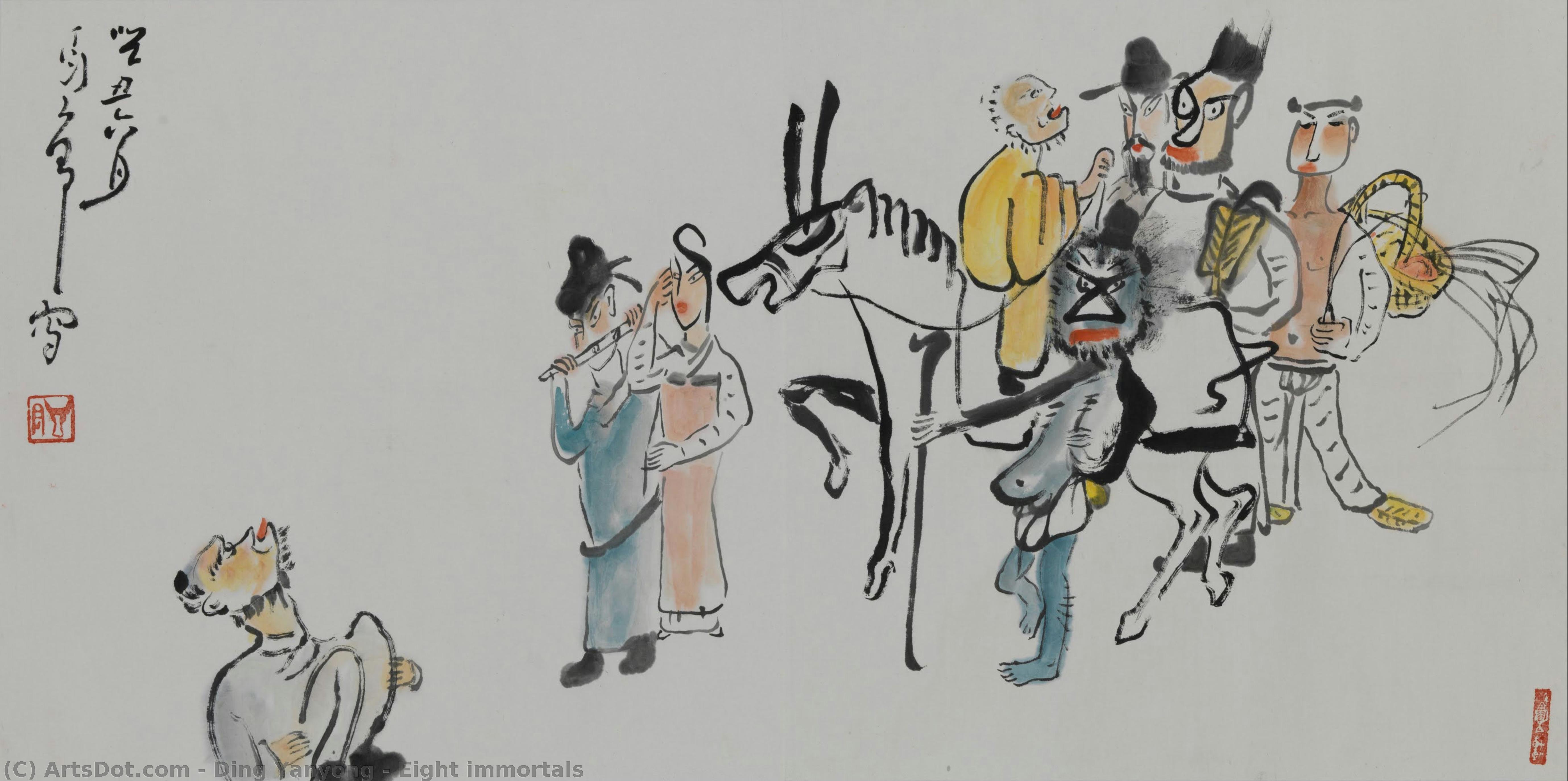
Eight immortals

Explore Ding Yanyong’s vibrant art – a fusion of traditional Chinese & modern styles! Known for clowns, landscapes & mythical scenes, his work captivates audiences worldwide.

Giclee štampa / Umetnički otisak

Giclée štampa ili print na platnu muzejskog kvaliteta uz brzu proizvodnju i fleksibilne opcije završne obrade. (Kupi ručno naslikanu sliku Kupi ručno naslikanu slikuKupi digitalnu sliku Kupi digitalnu sliku)

Standard
custom
CM
INCH

Izaberite jednu od naših unapred definisanih veličina koje odgovaraju originalnim proporcijama umetničkog dela.

širina
visina

Možete uneti sopstvene dimenzije kako biste umetničko delo prilagodili specifičnom okviru ili prostoru. Ako odabrani format ne odgovara proporcijama originalne slike, mi ćemo ili iscrtati deo dela ili proširiti sliku pomoću ogledane ivice ili jednobojnog popunjavanja. Digitalni prikaz će vam biti poslat na odobrenje pre početka proizvodnje.
Imajte na umu da pregled na ekranu ne odražava stvarno iscrtavanje ili proširivanje. Samo će prikaz (mockup) precizno pokazati finalnu kompoziciju.
Iako su prilagođene dimenzije dostupne, preporučujemo da odaberete dimenziju sa unapred definisane liste kako biste očuvali originalne proporcije.

Dostava širom sveta () za 2 nedelje umesto uobičajenih 4/5 nedelja. (16 август)

why_choose_icon
Besplatna ekspresna dostava širom sveta
why_choose_icon
Visokokvalitetno laneno platno
why_choose_icon
Kompletno osiguranje transporta
why_choose_icon
Garancija povraćaja carine i uvoznih dažbina
why_choose_icon
Garancija vernosti boja
why_choose_icon
Politika povrata u roku od 60 dana (samo u slučaju nedostataka)
why_choose_icon
Garancija povrata novca od 100%
why_choose_icon
Popust pri grupnoj kupovini

Ukupna cena

$ 68

reproduction

Eight immortals

Giclee štampa / Umetnički otisak

Dimenzije reprodukcije

-

Konačna cena

$ 68

Opis predmeta

Ding first studied oil painting before he turned to traditional Chinese painting. His practice of the latter genre showed the influence of Bada Shanren (1626 - 1705) and Shi Tao (1642 - 1707). Given his training background, he was able to blend Chinese and Western techniques seamlessly to come into his own. Characters from Chinese legends and folklore are one of Ding

Biografija umetnika

A Bridge Between Worlds: The Life and Art of Ding Yanyong

Ding Yanyong (1902-1978) occupies a unique position in 20th-century Chinese art history, a figure celebrated as the “Matisse of the East” and hailed for his ability to synthesize Western modernism with deeply rooted Chinese traditions. Born in Guangdong province, Ding’s journey was one of constant exploration and innovation, driven by a desire to revitalize Chinese painting while embracing the expressive possibilities offered by European artistic movements. His early exposure to art came through traditional channels, but a pivotal moment arrived when he traveled to Japan in 1919 to study at the Tokyo School of Fine Arts. There, immersed in the vibrant world of Fauvism and Expressionism, Ding discovered a new visual language that would profoundly shape his artistic vision. He wasn’t merely adopting Western styles; he was seeking a way to infuse them with the spirit and philosophy inherent in Chinese aesthetics.

Early Career and the New Art Movement

Upon returning to China in the mid-1920s, Ding Yanyong became a leading force in the burgeoning New Art Movement. He taught Western painting in Shanghai, Guangzhou, and Chongqing, actively promoting modern techniques and encouraging his students to break away from conventional approaches. This period was marked by experimentation – he sought to introduce oil painting as a viable medium within the Chinese art landscape, but also began a deeper engagement with traditional ink painting around 1928. It wasn’t simply about replacing one form with another; Ding believed that the essence of Chinese art lay in its calligraphic rhythm and expressive simplicity. He started collecting ancient calligraphy and paintings, particularly those of Bada Shanren, a 17th-century individualist painter whose work resonated deeply with his own artistic sensibilities. This marked a turning point, as he began to consciously integrate elements of literati painting into his Western-influenced compositions.

Fusion of East and West: A Distinctive Style

Ding Yanyong’s mature style is characterized by a remarkable fusion of Eastern and Western aesthetics. His oil paintings often feature bold colors and simplified forms reminiscent of Fauvism, yet they are imbued with the lyrical quality and philosophical depth of Chinese art. He masterfully employed line and composition to create works that were both visually striking and emotionally resonant. Simultaneously, his ink paintings demonstrate a profound understanding of traditional techniques, but are infused with a modern sensibility – a playful energy and a willingness to experiment with form and subject matter. His subjects ranged from landscapes and flowers to figures and clowns, each rendered with a unique blend of naiveté and sophistication. The clown motif, in particular, became a recurring theme, serving as a vehicle for social commentary and self-reflection. He wasn’t interested in realistic representation; rather, he sought to capture the essence of his subjects through expressive brushwork and evocative imagery.

Later Life and Legacy

In 1949, Ding Yanyong relocated to Hong Kong, where he continued to teach and create art until his death in 1978. He was a founding member of the Fine Arts Department at New Asia College (later part of The Chinese University of Hong Kong), playing a crucial role in shaping generations of artists. His influence extended far beyond the classroom; exhibitions of his work were held internationally, introducing his unique style to audiences worldwide. The establishment of awards and societies bearing his name – the “Ding Yanyong Academic Achievement Award” and the “Ding Yanyong Painting Society” – further cemented his legacy as a pioneer in Chinese art.
  • Key Influences: Matisse, Bada Shanren, traditional Chinese calligraphy and painting.
  • Major Themes: Fusion of Eastern and Western aesthetics, the expressive power of line, social commentary through symbolism (particularly the clown motif), revitalization of Chinese art traditions.
  • Historical Significance: Ding Yanyong played a pivotal role in introducing modern Western art to China and bridging the gap between traditional Chinese painting and contemporary artistic movements. His work continues to inspire artists today, serving as a testament to the power of cross-cultural dialogue and innovation.
Ding Yanyong’s art is not simply a stylistic blend; it's a philosophical statement – a belief in the universality of artistic expression and the importance of embracing both tradition and modernity. He stands as a powerful example of an artist who successfully navigated cultural boundaries, creating a body of work that is uniquely his own and profoundly influential within the broader context of 20th-century art history.

Osnovne informacije

  • Artistic Movement Or Style: Modern Chinese Art
  • Artists Who Influenced This Artist:
    • Matisse
    • Bada Shanren
  • Date Of Birth: 1902
  • Date Of Death: Living
  • Full Name: Ding Yanyong
  • Nationality: Chinese
  • Notable Artworks:
    • Eight Immortals
    • Summer Mountains
    • Clown Portrait
  • Place Of Birth: Guangdong, China