BESPLATNA KONSULTACIJA SA STRUČNJAKOM ZA UMETNOST

x
Naručite reprodukciju Naručite reprodukcijuKupi digitalnu sliku Kupi digitalnu sliku PošaljiPošalji
DetailsDetails Dodaj u omiljene Dodaj u omiljene ПреузмиПреузми Slični predmetiSlični predmeti X-RayX-Ray SlajdoviSlajdovi

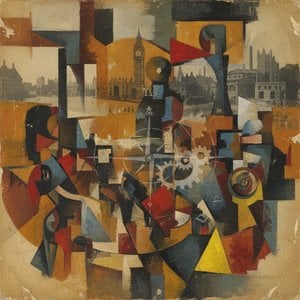
Circus (Abstract Composition)

Discover 'Circus' by David Bomberg (1921), an abstract masterpiece blending cubism & futurism with vibrant colors and dynamic figures. Explore the work of this pioneering British artist.

Dejvid Bomberg (1890-1957): Od kubističkih početaka do ekspresivnih pejzaža, istražite put ovog uticajnog britanskog slikara i člana 'Whitechapel Boys' grupe.

Giclee štampa / Umetnički otisak

Giclée štampa ili print na platnu muzejskog kvaliteta uz brzu proizvodnju i fleksibilne opcije završne obrade.

P118B $10
P118H $10
P118W $10
P438Z $10
P508JH $12
P508YH $12
P805H $10
P805Z $10
P919BZ $10
P919G $10
P919XJ $10
P959ZH $10
P968JZ $12
W106C $8
W218G $10
W218JH $8
W218Y $10
W307PJ $10
W316G $10
W316PJ $8
W316Y $10
W398PJ $8
W4111J $10
W500HY $15
W500JH $15
W692G $12
W849H $8
W940BG $15
W953PJ $8

Standard
custom
CM
INCH

Izaberite jednu od naših unapred definisanih veličina koje odgovaraju originalnim proporcijama umetničkog dela.

širina
visina

Možete uneti sopstvene dimenzije kako biste umetničko delo prilagodili specifičnom okviru ili prostoru. Ako odabrani format ne odgovara proporcijama originalne slike, mi ćemo ili iscrtati deo dela ili proširiti sliku pomoću ogledane ivice ili jednobojnog popunjavanja. Digitalni prikaz će vam biti poslat na odobrenje pre početka proizvodnje.
Imajte na umu da pregled na ekranu ne odražava stvarno iscrtavanje ili proširivanje. Samo će prikaz (mockup) precizno pokazati finalnu kompoziciju.
Iako su prilagođene dimenzije dostupne, preporučujemo da odaberete dimenziju sa unapred definisane liste kako biste očuvali originalne proporcije.

Dostava širom sveta () za 2 nedelje umesto uobičajenih 4/5 nedelja. (2 јул)

why_choose_icon
Besplatna ekspresna dostava širom sveta
why_choose_icon
Visokokvalitetno laneno platno
why_choose_icon
Kompletno osiguranje transporta
why_choose_icon
Garancija povraćaja carine i uvoznih dažbina
why_choose_icon
Garancija vernosti boja
why_choose_icon
Politika povrata u roku od 60 dana (samo u slučaju nedostataka)
why_choose_icon
Garancija povrata novca od 100%
why_choose_icon
Popust pri grupnoj kupovini

Ukupna cena

-

reproduction

Circus (Abstract Composition)

Giclee štampa / Umetnički otisak

Dimenzije reprodukcije

-

Konačna cena

-

Osnovne informacije

  • Artist: David Bomberg
  • Movement: Cubism, Futurism
  • Location: Ashmolean Museum
  • Influences:
    • Cézanne
    • Sickert
  • Title: Circus (Abstract Composition)
  • Artistic style: Expressionist
  • Notable elements: Angular figures, color

Kviz o umetnosti

Svako pitanje ima samo jedan tačan odgovor.

Pitanje 1:
What is the primary subject matter depicted in David Bomberg’s ‘Circus (Abstract Composition)’?
Pitanje 2:
In what year was ‘Circus (Abstract Composition)’ painted?
Pitanje 3:
Which artistic movement heavily influenced David Bomberg’s style during the creation of ‘Circus (Abstract Composition)’?
Pitanje 4:
What is the approximate size of the painting ‘Circus (Abstract Composition)’?
Pitanje 5:
David Bomberg was part of a group known as the ‘Whitechapel Boys’. What is significant about this group?

Opis predmeta

A Whirlwind of Color and Form: David Bomberg’s “Circus”

David Bomberg's "Circus (Abstract Composition)," painted in 1921, isn’t merely a depiction of a traveling show; it’s an explosion of energy, emotion, and the restless spirit of early modernism. This vibrant canvas, now housed at the Ashmolean Museum in Oxford, captures a fleeting moment within a chaotic yet strangely ordered spectacle – a testament to Bomberg's unique ability to distill complex experience into powerful visual form. The painting immediately assaults the senses with its bold palette: assertive blues and reds clash dynamically against yellows and whites, creating an atmosphere of both excitement and underlying tension.

Bomberg’s style during this period was deeply influenced by the avant-garde movements sweeping through Europe. He absorbed the geometric abstraction of Cubism – evident in the fragmented forms suggesting figures and structures – while simultaneously embracing the dynamism and expressive power of Futurism, particularly its fascination with movement and speed. The painting's composition isn’t static; it feels like a captured rush, a snapshot of a scene perpetually in motion. Notice how the figures are reduced to angular shapes, almost dissolving into the swirling colors, mirroring the fragmented reality presented by Cubist principles.

The Artist and His Time

Born in Birmingham in 1890, David Bomberg’s early life was shaped by his Polish-Jewish heritage and a challenging upbringing. He initially trained as a lithographer but quickly gravitated towards painting, finding himself drawn to the radical artistic currents of the time. He became part of the “Whitechapel Boys,” a group of East End artists who pushed against established conventions and experimented with new forms of expression. This group, including Mark Gertler and Stanley Spencer, formed a vital network of support and influence during a period of significant social and political upheaval in Britain.

Bomberg’s artistic journey was marked by experimentation and controversy. His early work, particularly his engagement with Cubism and Futurism, drew criticism from some quarters who viewed these movements as overly abstract or even decadent. However, Bomberg remained steadfast in his pursuit of a new visual language, reflecting the anxieties and aspirations of a rapidly changing world. His expulsion from the Slade School of Art in 1913, due to his perceived disregard for traditional artistic methods, further solidified his position as an outsider artist challenging established norms.

Decoding the Composition: Symbolism and Emotion

While seemingly abstract, “Circus” is rich with symbolic potential. The figures themselves – a jumble of shapes suggesting people and animals – represent not individual portraits but rather archetypal elements of the circus experience: performers, spectators, and the spectacle itself. The swirling colors aren’t simply decorative; they convey a sense of disorientation, excitement, and perhaps even underlying unease. The dominant blues could symbolize both the vastness of the sky and the melancholy associated with transient experiences.

Consider the elephant in the center of the composition. It's not rendered realistically but rather as a powerful, simplified form – a symbol of strength, memory, and perhaps even the weight of tradition. The overall effect is one of controlled chaos, inviting the viewer to contemplate the complexities of human experience within a world of illusion and spectacle. Bomberg masterfully uses color and form to evoke a visceral response, capturing not just what he saw but also how he *felt* about it.

A Legacy of Innovation

“Circus (Abstract Composition)” stands as a pivotal work in David Bomberg’s oeuvre and a significant example of early British abstraction. It demonstrates his willingness to embrace radical experimentation, blending influences from Cubism, Futurism, and his own unique artistic vision. His exploration of form, color, and emotion paved the way for subsequent generations of artists, solidifying his place as a key figure in the development of modern art in Britain. Reproductions of this dynamic painting continue to resonate with viewers today, offering a glimpse into the turbulent yet exhilarating world of early 20th-century artistic innovation.

Srodna umetnička dela


Biografija umetnika

Rani život i umetnička obuka

  • Rođen: Birmingham, Ujedinjeno Kraljevstvo (5. decembar 1890.)
  • Preminuo: London, Ujedinjeno Kraljevstvo (19. avgust 1957.)
  • Jedan od „Whitechapel Boys“ – grupe umetnika Istočnog Enda koji su se pojavili početkom 20. veka.

Rođen u porodici poljsko-jevrejskih imigranata, Avrahama i Rebeke Bomberg, Dejvid je svoje prve umetničke korake napravio u Tehničkoj umetničkoj školi City and Guilds, pre nego što je u Birminghamu prošao obuku za litografa.

Svoje obrazovanje nastavio je pod mentorstvom Valtera Sikerta u Školi umetnosti Westminster (1908–1910), gde je na sebe snažno utical Sikertov fokus na formu i urbani život. Ključni trenutak za njegov razvoj bila je izložba Rodžera Fraja „Manet i postimpresionisti“ 1910. godine, koja mu je omogućila duboki uvid u rad Pol Sezana. Nakon toga, pohađao je čuvenu Školu umetnosti Slade (1911), gde je osvojio nagradu Tonks za portret svog kolege, Ajzaka Rozenberga.

Avantgardne godine: Kubizam, futurizam i kontroverze

  • Dok je boravio u školi Slade, Bomberg je bio deo izuzetne generacije koju su činili Mark Gertler, Stenli Spenser, C.R.W. Nevinson i Dora Kerintun.
  • Njegov rad bio je pod snažnim uticajem londonskih izložbi italijanskih futurista iz 1912. godine, kao i Frajeve druge postimpresionističke izložbe koja je predstavila Pikasa, Matisa, fauviste i Vimdema Luisa.
  • Razvio je prepoznatljiv stil koji spaja kubizam i futurizam – karakterisan geometrijskim kompozicijama, ograničenom paletom boja, angularnim figurama i strukturama nalik mrežama.
  • Njegov radikalni pristup doveo je do izbacivanja iz škole Slade 1913. godine, jer je njegov umetnički izraz smatrao previše drskim za konvencionalne metode te institucije.

  • Kratko vreme bio je povezan sa Omega radionicama Bloomsbury grupe i izlagao je sa Camden Town grupom. Iako je pokazivao bliskost sa vorticističkim pokretom Vimdema Luisa, ostao je nezavisan, odbijajući potpuno uključenje u taj pokret.

Od rata do pejzaža: Promena stila

Iskustva kao običan vojnik tokom Prvog svetskog rata duboko su promenila njegov umetnički vid, navodeći ga na odmak od apstrakcije.

Dvadesete godine 20. veka donele su promenu ka figurativnijem stilu, sa fokusom na portrete i pejzaže koji su direktno izvučeni iz same prirode. Razvio je sve ekspresivniju tehniku, koju su obeležili teksturirani impasto i emocionalni intenzitet.

Snažan uticaj na njegov kasniji rad imali su i brojni putovanja kroz Bliski istok (posebno Palestina) i Evropu. Njegove interpretacije Jerusalima ostaju posebno značajni i upečatljivi deo njegovog dela.

Kasne godine i nasleđe

  • Od 1945. do 1953. godine predavao je na Politehniku Borough (današnji London South Bank University), oblikujući generacije umetnika kao što su Frenk Auerbah, Leon Kosof, Filip Holm, Klif Holden, Edna Men, Doroti Mid, Gustav Mecger, Denis Krefield, Sesil Bejli i Majls Ričmond.
  • Bio je oženjen slikarkom pejzaža Lilijan Holt.
  • Uprkos periodima relativne zaboravljenosti tokom života, Bombergov rad je poslednjih decenija dobio sve veće priznanje kao značajan doprinos britanskoj modernoj umetnosti.
  • U njegov čast nazvana je Kuća Dejvida Bomberga na London South Bank University.
  • Njegovo nasleđe leži u jedinstvenoj sintezi evropskih avantgardnih pokreta i kasnijem razvoju moćnog, ekspresivnog pejzažnog stila koji je uspeo da uhvati samu suštinu mesta i ljudskog iskustva.
David Bomberg

David Bomberg

1890 - 1957 , Ujedinjeno Kraljevstvo

Osnovne informacije

  • Artistic Movement Or Style:
    • Kubizam
    • Futurizam
    • Ekspresionizam
  • Artists Or Movements Influenced By This Artist:
    • Frank Auerbach
    • Leon Kossoff
  • Artists Who Influenced This Artist:
    • Paul Cézanne
    • Walter Sickert
    • Wyndham Lewis
  • Date Of Birth: 5. decembar 1890.
  • Date Of Death: 19. avgust 1957.
  • Full Name: David Garshen Bomberg
  • Nationality: Britanac
  • Notable Artworks:
    • Autoportret (1937)
    • Kitty, umetnikova sestra (1929)
    • Studija za sliku
    • Jerusalim
  • Place Of Birth: Birmingham, Ujedinjeno Kraljevstvo
Istražite umetnička dela organizovana prema temama, stilovima i karakteristikama.