Pregledaj u prostoru Isprobaj u AR-u Pređi na prodaju štampanih primeraka Pređi na prodaju digitalnih slika Podeli
Detalji Vodič Dodaj u omiljene Preuzmi sliku Slični predmeti Rendgenski snimak Automatska prezentacija Statistika

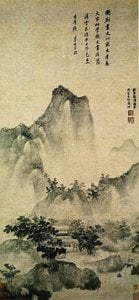
Returning Late from a Spring Outing

Discover "Returning Late from a Spring Outing" by Dai Jin (1644). A serene Ming Dynasty landscape painting in ink & color, showcasing Zhe School style & tranquil beauty. #ChineseArt #LandscapePainting

Discover Dai Jin: A master of Chinese landscape painting from the Ming Dynasty. Explore his innovative Zhe School style & iconic works like 'Seven Worthies'. #DaiJin #ChineseArt

Ručno rađena uljana reprodukcija

Ručno oslikano uljanim bojama na platnu u dimenzijama i okviru po vašem izboru, izrađeno po porudžbini od strane naših umetnika. ( Pređi na prodaju štampanih primeraka Pređi na prodaju digitalnih slika)

Corner sample of the P118B picture frame: kaljeni polistiren, 5 cm wide and 3 cm thick
P118B дин10
Corner sample of the P118H picture frame: kaljeni polistiren, 5 cm wide and 3 cm thick
P118H дин10
Corner sample of the P118W picture frame: kaljeni polistiren, 5 cm wide and 3 cm thick
P118W дин10
Corner sample of the P438Z picture frame: kaljeni polistiren, 5.5 cm wide and 3.5 cm thick
P438Z дин10
Corner sample of the P508JH picture frame: kaljeni polistiren, 7 cm wide and 3.5 cm thick
P508JH дин12
Corner sample of the P508YH picture frame: kaljeni polistiren, 7 cm wide and 3.5 cm thick
P508YH дин12
Corner sample of the P805H picture frame: kaljeni polistiren, 5 cm wide and 3.5 cm thick
P805H дин10
Corner sample of the P805Z picture frame: kaljeni polistiren, 5 cm wide and 3.5 cm thick
P805Z дин10
Corner sample of the P919BZ picture frame: kaljeni polistiren, 7 cm wide and 3.5 cm thick
P919BZ дин10
Corner sample of the P919G picture frame: kaljeni polistiren, 7 cm wide and 3.5 cm thick
P919G дин10
Corner sample of the P919XJ picture frame: kaljeni polistiren, 7 cm wide and 3.5 cm thick
P919XJ дин10
Corner sample of the P959ZH picture frame: kaljeni polistiren, 5 cm wide and 3 cm thick
P959ZH дин10
Corner sample of the P968JZ picture frame: kaljeni polistiren, 6 cm wide and 4 cm thick
P968JZ дин12
Corner sample of the W106C picture frame: masivno drvo, 5 cm wide and 3 cm thick
W106C дин8
Corner sample of the W218G picture frame: masivno drvo, 5 cm wide and 3 cm thick
W218G дин10
Corner sample of the W218JH picture frame: masivno drvo, 5 cm wide and 3 cm thick
W218JH дин8
Corner sample of the W218Y picture frame: masivno drvo, 5 cm wide and 3 cm thick
W218Y дин10
Corner sample of the W307PJ picture frame: masivno drvo, 6 cm wide and 3 cm thick
W307PJ дин10
Corner sample of the W316G picture frame: masivno drvo, 6 cm wide and 3 cm thick
W316G дин10
Corner sample of the W316PJ picture frame: masivno drvo, 6 cm wide and 3 cm thick
W316PJ дин8
Corner sample of the W316Y picture frame: masivno drvo, 6 cm wide and 3 cm thick
W316Y дин10
Corner sample of the W398PJ picture frame: masivno drvo, 5 cm wide and 3 cm thick
W398PJ дин8
Corner sample of the W4111J picture frame: masivno drvo, 6.5 cm wide and 3.5 cm thick
W4111J дин10
Corner sample of the W500HY picture frame: masivno drvo, 7 cm wide and 5 cm thick
W500HY дин15
Corner sample of the W500JH picture frame: masivno drvo, 7 cm wide and 5 cm thick
W500JH дин15
Corner sample of the W692G picture frame: masivno drvo, 8 cm wide and 4 cm thick
W692G дин12
Corner sample of the W849H picture frame: masivno drvo, 5 cm wide and 3 cm thick
W849H дин8
Corner sample of the W940BG picture frame: masivno drvo, 7.5 cm wide and 4.5 cm thick
W940BG дин15
Corner sample of the W953PJ picture frame: masivno drvo, 6 cm wide and 3.5 cm thick
W953PJ дин8

Standardne dimenzije
po meri
CM
INCH

Izaberite jednu od naših unapred definisanih veličina koje odgovaraju originalnim proporcijama umetničkog dela.

širina
visina

Unesite širinu i visinu koja vam je potrebna, kako bi se uklopili u vaš ram ili zid. Pošto je ovo ručno oslikano delo, umetnik može naslikati malo više prostora oko slike ili malo skratiti ivice za dimenzije drugačijeg oblika — izbor je na vama. Pre početka rada, poslaćemo vam digitalni prikaz radi potvrde. Slika prikazana na ovoj stranici ne predstavlja konačan rezultat — samo digitalni prikaz pokazuje stvarnu sliku.

Primeri mogućih izmena: Zamena lica fotografijom kupca; Dodavanje ljubimca (npr. zamena mačke psom); Uključivanje skrivene poruke u pozadini; Promena pejzaža ili elemenata pozadine.
Nakon narudžbine, tim WahooArt.com će klijentu putem e-pošte poslati uputstva i dostaviti prikaz predloženog rešenja

Svetska isporuka () za 3/4 nedelje umesto uobičajenih 5 nedelja. (24 октобар). Bez kompromisa po pitanju kvaliteta.

Besplatna ekspresna dostava širom sveta
Visokokvalitetno laneno platno
Sveobuhvatno osiguranje transporta
Garancija povraćaja carine i uvoznih dažbina
Garancija vernosti boja i autentičnosti pri reprodukciji
Politika povraćaja u roku od 100 dana (samo u slučaju nedostataka)
Garancija povrata 100% novca
Popust pri većoj količini

Ukupna cena

дин 28096

Returning Late from a Spring Outing

Tehnika izrade reprodukcije

Veličina reprodukcije

-

Ukupna cena

дин 28096

Brzi pregled

  • Dimensions: 167 x 83 cm
  • Medium: Ink & Color on Silk
  • Subject or theme: Landscape, Nature
  • Title: Returning Late from a Spring Outing
  • Artist: Dai Jin

A Moment of Serene Reflection: Returning Late from a Spring Outing by Dai Jin

Dai Jin’s “Returning Late from a Spring Outing,” painted in 1644, offers a profound glimpse into the heart of Chinese literati aesthetics – a world where landscape painting transcended mere representation to become a vehicle for spiritual contemplation. This exquisite silk hand-painting, measuring 167 x 83 cm, captures a quintessential Shanshui scene, a hallmark of the Song Dynasty’s influence on Chinese art, and embodies the spirit of the Ma-Xia style, also known as the Zhe School, which flourished during Dai Jin's lifetime. The artwork isn't simply a depiction of mountains and water; it is an invitation to experience tranquility, harmony, and a deep connection with the natural world – core tenets of Confucian philosophy.

Masterful Technique: The Language of Ink and Color

  • Brushwork and Composition: Dai Jin’s loose, expressive brushstrokes are central to the painting's power. They create a dynamic sense of atmospheric perspective, drawing the viewer into the scene with a fluidity that mimics the movement of water and wind. The vertical format emphasizes height and depth, reinforcing the grandeur of the mountainous landscape.
  • Ink Wash Technique (Sumi): The painting’s foundation lies in the meticulous layering of ink washes – *sumi*. This technique, perfected over centuries, allows for a subtle manipulation of tonal values, building up volume and creating an illusion of three-dimensionality. Notice how the artist uses varying densities of ink to define the contours of rocks, trees, and distant peaks.
  • Color Palette: The muted color palette – browns, grays, ochre, with delicate washes of blue and green – contributes significantly to the painting’s contemplative mood. These colors evoke the subtle shifts in light and shadow found within a natural landscape, enhancing the sense of realism while maintaining an ethereal quality.

Symbolism and Context: A Window into Ming Dynasty Thought

Painted in 1644, during Dai Jin’s career, this artwork reflects the artistic currents of the early Ming dynasty. Dai Jin was a pivotal figure in reviving the Ma-Xia style, which prioritized capturing the essence of nature over strict adherence to traditional representation. The pavilions depicted within the scene symbolize human dwellings nestled within the vastness of the landscape – a reminder of humanity’s place within the natural order. The mountains themselves represent strength, permanence, and spiritual aspiration, echoing Confucian ideals of virtue and longevity. Dai Jin's work was often influenced by political considerations, as evidenced by his early career attempts to gain favor with the emperor, though he ultimately developed a distinctive style that prioritized artistic integrity.

Emotional Resonance: A Legacy of Tranquility

“Returning Late from a Spring Outing” possesses an enduring emotional resonance. The diffused lighting and serene composition evoke a sense of quiet contemplation, inviting the viewer to escape the pressures of daily life and find solace in the beauty of nature. This painting is more than just a visual representation; it’s a portal to a timeless landscape, reflecting the profound connection between humanity and the natural world – a connection that continues to inspire awe and wonder centuries later. This hand-painted reproduction captures not only Dai Jin's artistic skill but also the very spirit of this iconic work.

Pitanja i odgovori

Koliko svetlosti se čini da boje dela "Returning Late from a Spring Outing" reflektuju?

Luminansa zabeležena za „Returning Late from a Spring Outing”, Dai Jin iznosi Soft Shadow.

Da li je dostupno preuzimanje "Returning Late from a Spring Outing" u visokoj rezoluciji?

Da biste dobili digitalni fajl dela „Returning Late from a Spring Outing”, Dai Jin, poručite preuzimanje digitalne slike visoke rezolucije na njegovoj stranici Digitalna slika.

Gde bi trebalo okačiti reprodukciju dela „Returning Late from a Spring Outing”, Dai Jin?

Format Tall dela „Returning Late from a Spring Outing”, Dai Jin preporučuje se za Living Room. Format i prostor zajedno služe kao smernica za postavljanje reprodukcije.


Biografija umetnika

early life and career

dai jin, a renowned chinese artist, was born in 1388 and passed away in 1462. he was a leading figure in the early ming revival of the ma-xia style, also known as the zhe school, which emerged from the landscape painting traditions of the southern song. as a young man, dai jin traveled to the capital, nanjing, with his father, who worked in an official capacity. although he failed to establish himself in the capital, he returned to qiantang and resumed his study of painting, likely under the guidance of a local zhejiang artisan.

rise to prominence

dai jin's reputation grew significantly around 1425, when he was recommended to the xuande emperor. he traveled to beijing in hopes of securing an academy appointment. however, his plans were thwarted by established painters, particularly xie huan, who claimed to detect anti-government bias in dai's works. one notable example is dai jin's painting, seven worthies passing the barrier (c. 1425-35), which was based on an old tale recounting the flight of seven men from a tumultuous state. this work, along with another piece depicting a fisherman in a red coat, led to dai jin's downfall.

notable works and legacy

* dai jin's landscapes, showcasing the four seasons, were initially well-received by the xuande emperor. * seven worthies passing the barrier (c. 1425-35), a painting that led to dai jin's persecution.

conclusion

despite facing challenges and persecution, dai jin's contributions to the zhe school and chinese landscape painting remain significant. his works continue to be celebrated for their unique style and innovative techniques. important: to learn more about dai jin and his artworks, visit dai jin's page on WahooArt.com.

Dai Jin

Dai Jin

1388 - 1462 , China

Brzi pregled

  • Full Name: Dai Jin
  • Nationality: Chinese
  • Date Of Birth: 1388
  • Date Of Death: 1462
  • Place Of Birth: Quzhou, China
  • Notable Artworks: ['Bamboo paintings']
  • Artistic Movement Or Style: Ink bamboo painting
  • Artists Who Influenced This Artist: ['Wang Fu']