


Umetničko delo prikazano na ovoj stranici zaštićeno je autorskim pravima, što znači da zakonski nismo u mogućnosti da kreiramo niti prodajemo identičnu reprodukciju. Ova zaštita se sprovodi u skladu sa međunarodnim sporazumima kao što su Bernska konvencija i nacionalnim zakonima, uključujući i one koji su definisani u Američki zakon o autorskom pravu – Naslov 17.
Ovaj metod je u potpunosti usklađen sa regulativama o autorskim pravima jer ne podrazumeva kopiranje ili dupliranje zaštićenih umetničkih dela. Umesto toga, reč je o kreativnoj reinterpretaciji – novom slikarskom delu koje je inspirisano originalom, ali nije identično njemu.
Giclée štampa ili print na platnu muzejskog kvaliteta uz brzu izradu i raznovrsne opcije završne obrade. ( Kupite ručno oslikano delo Pređi na digitalnu sliku)
Izaberite jednu od naših unapred definisanih veličina koje odgovaraju originalnim proporcijama umetničkog dela.

Unesite željenu širinu i visinu kako bi se štampa uklopila u vaš ram ili zid. Štampu je moguće samo iseći, ali nikada povećati iznad dimenzija originalne slike, stoga format sa drugačijim proporcijama uzrokuje gubitak dela slike. Pre početka štampe, poslaćemo vam digitalni prikaz radi potvrde. Slika prikazana na ovoj stranici ne predstavlja stvarni isrez — to pokazuje samo digitalni prikaz.
Dostava širom sveta () za 2 nedelje umesto uobičajenih 4/5 nedelja. (15 новембар)
He
Dimenzije reprodukcije
In the evocative piece "He," created in 1967 by the renowned photographer Claudia Andujar, we are invited into a realm where reality and perception blur into a singular, dreamlike state. This work is not merely a portrait; it is a visceral fragment of a social moment captured through a lens of profound psychological depth. The image presents a heavily stylized and somewhat distorted figure, a man whose identity is partially veiled by dark sunglasses. Through the use of intense color grading and deliberate textural manipulation, Andujar transforms a journalistic subject into a surrealist icon. The composition draws the viewer’s eye directly to the subject's face, where the interplay of light and shadow creates an atmosphere of mystery and introspection, making it a captivating centerpiece for any collection focused on mid-century experimental photography.
The historical weight of this work is inseparable from its visual execution. Created during a period of intense social upheaval in Brazil, "He" serves as a poignant reflection of the era's turbulent landscape. The piece is deeply connected to a 1967 reportage by Narciso Kalíli, which addressed the harrowing rise of drug addiction among Brazil's youth—a "grave warning" for a generation caught on the margins of society. Andujar, through her unique lens, does not simply document a social crisis; she captures the internal, fragmented experience of those seeking escape from reality. The blurred background and the presence of a microphone stand suggest a stage or a performance space, hinting at the public yet isolated nature of the subject's struggle.
Technically, "He" is a masterclass in the use of aesthetics that bridge historical photographic foundations with a modern, almost digital-age sensibility. While the original was captured on film, its reproduction carries a texture reminiscent of digital noise and grain, which adds an unsettling, almost tactile quality to the image. The lines are intentional yet largely indistinct due to heavy blurring and manipulation, creating a sense of movement and instability. Shapes are simplified and abstracted, stripping away the mundane to reveal something more primal.
The lighting is dramatic and uneven, with strong highlights and deep shadows contributing to a profound sense of depth while simultaneously obscuring vital details. This creates a flattened perspective that lacks a clear sense of three-dimensionality, pushing the subject toward the realm of digital art or manipulated photography. The texture, appearing as a layer of digital noise, serves to heighten the unsettling atmosphere, making the image feel less like a window into the past and more like a haunting, living memory.
For the discerning collector or interior designer, "He" offers much more than visual intrigue; it provides a profound emotional anchor. The symbolic elements are subtle yet powerful—the sunglasses act as a barrier, representing anonymity, protection, or perhaps the refusal to be truly seen by a judgmental society. The blurred, indistinct background hints at an unseen world, suggesting that the subject's true struggle exists in a space just out of reach of the viewer's grasp.
Integrating such a piece into a curated space brings a sense of intellectual depth and sophisticated mystery. It is an ideal selection for those seeking to evoke themes of introspection, social consciousness, or mid-century modernism. Whether placed in a minimalist gallery setting or as a bold statement in a contemporary living space, the work commands attention through its ability to provoke thought and stir the soul, making it a timeless investment in the power of experimental photography.
Pregled dela „He”, autor Klaudija Andujar možete pogledati na stranici Pregled u prostoru.
Ne – umetničko delo se nalazi u inostranstvu. Delo „He“ se čuva u državi Brazil, dok je Klaudija Andujar rođen/a u državi Švajcarska.
Boje u delu „He”, autor Klaudija Andujar imaju Balanced intenzitet.


1931 - , Švajcarska

Explore the profound artistry of black and white photography. From historical mastery to the interplay of light and shadow, discover how monochrome captures timeless emotion and form through a sophisticated lens of art history.

Step into the dreamscape of Salvador Dalí. Explore 25 iconic Surrealist masterpieces, from melting clocks to bizarre landscapes. Discover the stories behind these timeless works and find museum-quality art reproductions for your decor. Explore the full collection on WahooArt.com.

Discover the profound beauty of Modigliani-style art. Explore the elegance of elongated forms and soulful portraits through our expert curation of hand-painted oil reproductions and museum-quality prints designed for the sophisticated collector.

Step into the dreamlike world of Gustave Moreau. Explore 25 iconic Symbolist masterpieces, from mythic tales to opulent textures. Find inspiration for museum-quality art reproductions and curated decor. Discover all masterpieces on WahooArt.com.
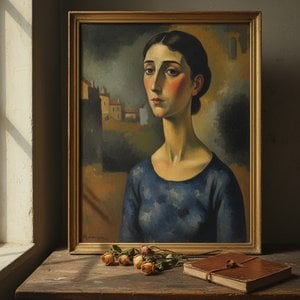
Delve into the haunting beauty of Amedeo Modigliani's portraits. Explore the intersection of Expressionism and Modernism through an expert analysis of his iconic elongated forms, melancholic gazes, and profound influence on art history.
 Pošalji
 Podeli
 Detalji o delu
 Vodič
Vodič

 Preuzmi
 Slični predmeti
 Automatska prezentacija
 Pitanja i odgovori
 Statistika


 Pročitaj više






































 Opcija sa staklom dostupna je samo za dimenzije manje od 110 cm


