Pregledaj u prostoru Isprobaj u AR-u Naručite ručno oslikano reprodukciju Pređi na prodaju digitalnih slika Podeli
Detalji Vodič Dodaj u omiljene Preuzmi sliku Slični predmeti Rendgenski snimak Automatska prezentacija Statistika

Pietà

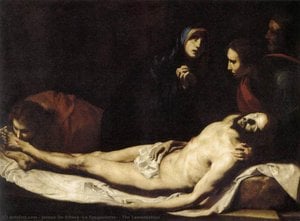
Discover Charles Le Brun’s ‘Pietà,’ a breathtaking Baroque masterpiece at the Louvre. Explore its emotional intensity, oil-on-canvas detail & biblical significance – a must-see for art lovers.

Otkrijte Charlesa Le Bruna (1619-1690), uticajnog francuskog baroknog slikara i teoretičara umetnosti! Istražite njegove kraljevske narudžbine, nasleđe i doprinos Versaju. Poznat po dramatičnim kompozicijama i dekorativnim radovima.

Giclee štampa / Umetnički otisak

Giclée štampa ili print na platnu muzejskog kvaliteta uz brzu izradu i raznovrsne opcije završne obrade. ( Naručite ručno oslikano reprodukciju Pređi na prodaju digitalnih slika)

Corner sample of the P118B picture frame: kaljeni polistiren, 5 cm wide and 3 cm thick
P118B дин10
Corner sample of the P118H picture frame: kaljeni polistiren, 5 cm wide and 3 cm thick
P118H дин10
Corner sample of the P118W picture frame: kaljeni polistiren, 5 cm wide and 3 cm thick
P118W дин10
Corner sample of the P438Z picture frame: kaljeni polistiren, 5.5 cm wide and 3.5 cm thick
P438Z дин10
Corner sample of the P508JH picture frame: kaljeni polistiren, 7 cm wide and 3.5 cm thick
P508JH дин12
Corner sample of the P508YH picture frame: kaljeni polistiren, 7 cm wide and 3.5 cm thick
P508YH дин12
Corner sample of the P805H picture frame: kaljeni polistiren, 5 cm wide and 3.5 cm thick
P805H дин10
Corner sample of the P805Z picture frame: kaljeni polistiren, 5 cm wide and 3.5 cm thick
P805Z дин10
Corner sample of the P919BZ picture frame: kaljeni polistiren, 7 cm wide and 3.5 cm thick
P919BZ дин10
Corner sample of the P919G picture frame: kaljeni polistiren, 7 cm wide and 3.5 cm thick
P919G дин10
Corner sample of the P919XJ picture frame: kaljeni polistiren, 7 cm wide and 3.5 cm thick
P919XJ дин10
Corner sample of the P959ZH picture frame: kaljeni polistiren, 5 cm wide and 3 cm thick
P959ZH дин10
Corner sample of the P968JZ picture frame: kaljeni polistiren, 6 cm wide and 4 cm thick
P968JZ дин12
Corner sample of the W106C picture frame: masivno drvo, 5 cm wide and 3 cm thick
W106C дин8
Corner sample of the W218G picture frame: masivno drvo, 5 cm wide and 3 cm thick
W218G дин10
Corner sample of the W218JH picture frame: masivno drvo, 5 cm wide and 3 cm thick
W218JH дин8
Corner sample of the W218Y picture frame: masivno drvo, 5 cm wide and 3 cm thick
W218Y дин10
Corner sample of the W307PJ picture frame: masivno drvo, 6 cm wide and 3 cm thick
W307PJ дин10
Corner sample of the W316G picture frame: masivno drvo, 6 cm wide and 3 cm thick
W316G дин10
Corner sample of the W316PJ picture frame: masivno drvo, 6 cm wide and 3 cm thick
W316PJ дин8
Corner sample of the W316Y picture frame: masivno drvo, 6 cm wide and 3 cm thick
W316Y дин10
Corner sample of the W398PJ picture frame: masivno drvo, 5 cm wide and 3 cm thick
W398PJ дин8
Corner sample of the W4111J picture frame: masivno drvo, 6.5 cm wide and 3.5 cm thick
W4111J дин10
Corner sample of the W500HY picture frame: masivno drvo, 7 cm wide and 5 cm thick
W500HY дин15
Corner sample of the W500JH picture frame: masivno drvo, 7 cm wide and 5 cm thick
W500JH дин15
Corner sample of the W692G picture frame: masivno drvo, 8 cm wide and 4 cm thick
W692G дин12
Corner sample of the W849H picture frame: masivno drvo, 5 cm wide and 3 cm thick
W849H дин8
Corner sample of the W940BG picture frame: masivno drvo, 7.5 cm wide and 4.5 cm thick
W940BG дин15
Corner sample of the W953PJ picture frame: masivno drvo, 6 cm wide and 3.5 cm thick
W953PJ дин8

Standardne dimenzije
po meri
CM
INCH

Izaberite jednu od naših unapred definisanih veličina koje odgovaraju originalnim proporcijama umetničkog dela.

širina
visina

Unesite širinu i visinu koja vam je potrebna, kako bi se uklopili u vaš ram ili na vaš zid. Štampa se može samo iseći, nikada ne može biti veća od originalne slike, stoga format sa drugačijim proporcijama gubi deo slike. Poslaćemo vam digitalni prikaz radi potvrde pre nego što započnemo štampu. Slika prikazana na ovoj stranici ne pokazuje stvarni rez — to pokazuje samo digitalni prikaz.

Dostava širom sveta () za 2 nedelje umesto uobičajenih 4/5 nedelja. (26 октобар)

Besplatna ekspresna dostava širom sveta
Visokokvalitetno laneno platno
Sveobuhvatno osiguranje transporta
Garancija povraćaja carine i uvoznih dažbina
Garancija vernosti boja i autentičnosti pri reprodukciji
Politika povraćaja u roku od 100 dana (samo u slučaju nedostataka)
Garancija povrata 100% novca
Popust pri većoj količini

Ukupna cena

дин 7011

Pietà

Giclee štampa / Umetnički otisak

Veličina reprodukcije

-

Ukupna cena

дин 7011

Brzi pregled

  • Year: 1643
  • Dimensions: 146 x 222 cm
  • Influences: Nicolas Poussin
  • Subject or theme: Biblical narrative; Suffering; Faith
  • Title: Pietà
  • Notable elements or techniques: Dramatic lighting; Detailed drapery

Kviz o umetnosti

Svako pitanje ima samo jedan tačan odgovor.

Pitanje 1:
What is the primary subject matter of Charles Le Brun’s ‘Pietà’?
Pitanje 2:
Where is Charles Le Brun’s ‘Pietà’ currently housed?
Pitanje 3:
What artistic movement is Charles Le Brun associated with?
Pitanje 4:
Which technique did Le Brun utilize in creating ‘Pietà’?
Pitanje 5:
What is a notable characteristic of the lighting employed in ‘Pietà’?

A Moment Frozen in Time: The Emotional Resonance of Le Brun’s Pietà

In the hallowed stillness of the Musée du Louvre, there exists a canvas that does more than merely depict a biblical event; it captures the very essence of human grief. Charles Le Brun’s Pietà, painted in 1643, is a monumental achievement of the Baroque era, serving as a profound meditation on sorrow, faith, and the weight of mortality. Originally commissioned for the Sainte-Chapelle in Paris—a sanctuary dedicated to the relics of Christ—this oil on canvas was designed to evoke spiritual contemplation through its sheer emotional gravity. As viewers encounter the work, they are not just observing a scene from the Passion; they are invited into a sacred space where the boundaries between the divine and the human dissolve.

The painting centers on the poignant aftermath of the crucifixion, presenting the Virgin Mary cradling the lifeless form of her son. Le Brun masterfully employs a pyramidal composition, a technique that provides a sense of structural stability to an otherwise turbulent emotional scene. This geometric arrangement directs the eye upward, guiding the observer from the heavy, slumped weight of Christ’s body toward the serene yet heartbroken countenance of Mary. The interplay of light and shadow, known as chiaroscuro, is utilized with breathtaking precision. A singular, dramatic light source illuminates the central figures against a dark, indistinct background, stripping away all worldly distractions to focus the soul entirely on the tragedy unfolding within the frame.

Mastery of Technique and the Baroque Spirit

To understand the Pietà is to understand the hand of Charles Le Brun, a titan of French art who shaped the aesthetic standards of the age. His technique reflects the rigorous training he received under masters like Simon Vouet and his transformative years in Rome alongside Nicolas Poussin. In this work, Le Brun achieves a perfect balance between dramatic realism and idealized beauty. The texture of the painting is remarkably rich; one can almost feel the heavy, flowing drapery of Mary’s robes as they cascade around the figures, adding a sense of dynamic movement to the stillness of death. His brushwork captures the subtle nuances of skin, the limpness of muscle, and the intricate folds of fabric, all rendered with an exacting detail that speaks to his mastery of the medium.

Beyond its technical brilliance, the artwork serves as a profound symbolic vessel. The scene is steeped in Christian iconography, representing the ultimate sacrifice and the enduring devotion of the faithful. The presence of figures like Joseph of Arimathea and Mary Magdalene adds layers of communal mourning, yet the focus remains on the intimate bond between mother and son. For the collector or the lover of fine art, this piece offers more than just visual splendor; it provides a window into the 17th-century French soul. It is an ideal centerpiece for those seeking to infuse a space with historical depth, intellectual rigor, and a sense of timeless, quiet majesty.

Pitanja i odgovori

Kako se boje dela "Pietà" međusobno povezuju?

Boje dela „Pietà”, Šarl Lebren odražavaju Softly Mixed Palette harmoniju. Harmonija opisuje međusobni odnos boja.

Šta objašnjava status autorskih prava za „Pietà”, Šarl Lebren?

„Pietà”, Šarl Lebren je u u javnom vlasništvu – autorska prava su istekla. Autorska prava traju od smrti umetnika, koja se dogodila 1690.

Da li je "Pietà" poznato delo Baroque pokreta?

„Pietà”, Šarl Lebren je klasifikovan kao Iconic i pripada pokretu Baroque.


Biografija umetnika

Rani život i obrazovanje

Čarls Le Brun, rođen u Parizu 1619. godine, bio je umetnik čiji je talenat procvetao još u detinjstvu. Sa jedanaest godina, uz podršku kancelara Segiera, stupio je u radionicu Simona Vuea, gde su mu se pružile prve prilike za usavršavanje veština. Njegova sposobnost brzo je postala očigledna, a već sa petnaest godina dobijao je narudžbine od kardinala Ričelijea, što svedoči o njegovom izuzetnom daru i preciznosti u radu. Ključan period u njegovom razvoju bio je četvorogodišnji boravak u Rimu (1642-1646), gde je radio pod mentorstvom Nikolasa Pusena. Ovo iskustvo duboko je uticalo na njegov umetnički stil i teorijsko razumevanje umetnosti. Tokom ovog perioda, Le Brun je pažljivo proučavao antičku rimsku skulpturu i kopirao dela Rafaela, upijajući inspiraciju iz klasične antike i savremenih italijanskih majstora.

Umetnički razvoj i stil

Po povratku u Pariz 1646. godine, Le Brun je brzo stekao priznanje i pokrovitelje. Njegov rani stil odražavao je uticaj Vuea i Pusena, ali se postepeno razvijao ka ličnijem izrazu. Umetnička evolucija Le Bruna obeležena je udaljavanjem od strogog pridržavanja klasičnih modela i usmeravanjem ka dinamičnijem i ekspresivnijem baroknom stilu. Postao je poznat po svojim grandioznim istorijskim slikama, portretima i dekorativnim radovima, često karakterisanim dramatičnim kompozicijama, bogatim bojama i pedantnom pažnjom na detalje. Značajna serija dela posvećena istoriji Aleksandra Velikog pokazala je njegovu sposobnost da kombinuje istorijsku naraciju sa umetničkom veličinom.

Najznačajnija dostignuća i služba kralju

Karijera Čarlsa Le Bruna dosegla je vrhunac za vreme vladavine Luja XIV, koji ga je 1664. godine imenovao Prvim slikarom kralja. Ova pozicija mu je donela ogroman uticaj na francusku umetnost. Imao je ključnu ulogu u dekorisanju Palate Versaj, stvarajući ikonična dela kao što su Stepenice ambasadora, Dvorcala ogledala i Sobe mira i rata. Ovi projekti učvrstili su njegov ugled kao majstor dekoratera i dizajnera. Le Brun je takođe bio zadužen za dizajn mnogih statua u vrtovima Versaja, demonstrirajući svoju svestranost u različitim umetničkim disciplinama. 1648. godine osnovao je Kraljevsku akademiju slikarstva i skulpture (Académie Royale de Peinture et de Sculpture), čime je učvrstio svoj položaj lidera u francuskom svetu umetnosti i bio njen direktor dugi niz godina.

Nasleđe i istorijski značaj

Uticaj Čarlsa Le Bruna na francusku umetnost bio je dubok. Njegov rad je pomogao da se definiše barokni stil u Francuskoj i uspostavio ga kao jednog od najvažnijih umetnika svog vremena. Kao teoretičar, naglašavao je važnost intelektualnog angažmana iznad samog vizuelnog privlačenja, oblikujući umetničko obrazovanje za generacije koje dolaze. Njegove dekorativne šeme u Versaju postavile su standard za kraljevske palate širom Evrope. Nasleđe Le Bruna seže dalje od njegovih pojedinačnih dela; igrao je vitalnu ulogu u uspostavljanju i promovisanju francuske umetnosti na međunarodnoj sceni. Njegova dela su svedočenje o moći vizuelne priče, veštini detalja i sposobnosti da se uhvati duh jedne epohe.
Šarl Lebren

Šarl Lebren

1619 - 1690 , Француска

Brzi pregled

  • Artistic Movement Or Style: Barok
  • Artists Who Influenced This Artist:
    • Nicolas Poussin
    • Simon Vouet
  • Date Of Birth: 24. februar 1619.
  • Date Of Death: 12. februar 1690.
  • Full Name: Charles Le Brun
  • Nationality: Francuz
  • Notable Artworks:
    • Ambasadorovo stepenište
    • Dvorana ogledala
    • Sale mira i rata
  • Place Of Birth (City And Country): Pariz, Francuska