


 WatercolorWallArtRomantic Landscape
 179719th Century
 167.0 x 217.0 cm
 Hamburger Kunsthalle
Giclée štampa ili print na platnu muzejskog kvaliteta uz brzu proizvodnju i fleksibilne opcije završne obrade. ( Kupi ručno naslikanu sliku Kupi digitalnu sliku)





























Izaberite jednu od naših unapred definisanih veličina koje odgovaraju originalnim proporcijama umetničkog dela.

Možete uneti sopstvene dimenzije kako biste umetničko delo prilagodili specifičnom okviru ili prostoru. Ako odabrani format ne odgovara proporcijama originalne slike, mi ćemo ili iscrtati deo dela ili proširiti sliku pomoću ogledane ivice ili jednobojnog popunjavanja. Digitalni prikaz će vam biti poslat na odobrenje pre početka proizvodnje.
Imajte na umu da pregled na ekranu ne odražava stvarno iscrtavanje ili proširivanje. Samo će prikaz (mockup) precizno pokazati finalnu kompoziciju.
Iako su prilagođene dimenzije dostupne, preporučujemo da odaberete dimenziju sa unapred definisane liste kako biste očuvali originalne proporcije.
Dostava širom sveta () za 2 nedelje umesto uobičajenih 4/5 nedelja. (6 септембар)


Landscape with Pavilion
Dimenzije reprodukcije
In the quietude of Caspar David Friedrich's "Landscape with Pavilion," painted in 1797, we encounter more than a mere depiction of nature; we step into a profound meditation on solitude and the sublime. As one of the most evocative works from the German Romantic era, this piece captures a pivotal moment in art history when the rationalism of the Enlightenment began to yield to the raw, unbridled power of emotion and imagination. The composition invites the viewer to wander through a meticulously crafted tableau where a small, elegant pavilion sits nestled amongst dense, dark coniferous trees, acting as a silent sentinel within the vastness. This architectural element provides a focal point for our gaze, yet it serves primarily to emphasize the overwhelming scale of the surrounding wilderness. Scattered throughout the foreground, sheep graze with a peaceful, pastoral innocence, their presence adding a layer of tranquil life that contrasts beautifully with the deeper, more mysterious shadows of the forest.
The technical mastery displayed in this work is nothing short of breathtaking, making it an exquisite choice for those who appreciate the nuances of classical technique. Friedrich employs a masterful use of atmospheric perspective, creating a sense of infinite depth that draws the eye toward the horizon. His palette is intentionally muted, dominated by earthy browns, deep forest greens, and ethereal blues—colors selected not merely for their representational accuracy, but for their ability to evoke a specific, melancholic mood. Through the delicate application of glazing techniques, layering thin, translucent washes of color over textured surfaces, Friedrich achieves a luminous quality. This allows light to seem as though it is emanating from within the landscape itself, capturing the subtle, shifting nuances of light and shadow that define a truly living environment.
To gaze upon this painting is to engage with the philosophical heart of Romanticism. Friedrich was deeply influenced by the concept of the Sublime—the feeling of awe mixed with a hint of terror when confronted with the grandeur of the natural world. The pavilion, while a man-made structure, does not dominate the landscape; rather, it is absorbed by it, symbolizing humanity's humble place within the divine order of nature. This tension between the civilized and the wild is a central theme that resonates deeply with modern viewers. For the collector or interior designer, this piece offers a profound emotional anchor, providing a sense of stillness and introspection that can transform the atmosphere of any room.
The historical context of the work further enriches its meaning. Created during a period when Friedrich was honing his skills in Copenhagen, the painting reflects the influence of the English landscape garden movement, which sought to create "natural" yet highly emotional vistas. Every element—from the sturdy fence separating the sheep to the distant, misty trees—is a carefully placed symbol of life's transience and the enduring beauty of the earth. Whether displayed in a grand gallery or as a centerpiece in a sophisticated contemporary home, "Landscape with Pavilion" serves as a timeless reminder of our spiritual connection to the world around us, offering an unparalleled sense of peace and contemplative beauty.

1774 - 1840 , Nemačka
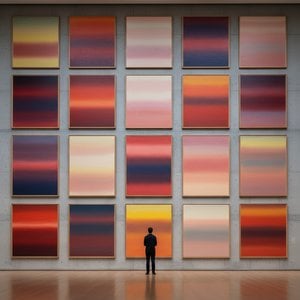
Istražite 25 remek-dela Marka Rothka – ikona apstraktne ekspresije. Otkrijte priče, tehnike i emocije iza ovih veličanstvenih slika. Reprodukcije vrhunskog kvaliteta za vaš dom na WahooArt.com!

Istražite 25 remek-dela Džemsa Abota MekNila Whistler-a! Uronite u svet Tonalizma, portreta i prelepog pejzaža. Kupite vrhunske reprodukcije slika na WahooArt.com i obogatite svoj enterijer luksuznom umetnošću.
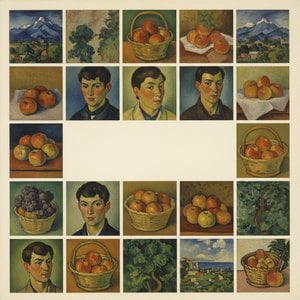
Istražite 25 remek-dela Paula Cézanna, revolucionarnog slikara impresionizma i postimpresionizma. Otkrijte priče iza ikoničnih pejzaža, portreta i mrtve prirode. Kupite luksuzne reprodukcije slika na WahooArt.com!
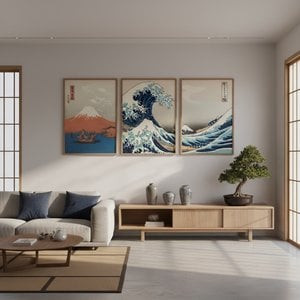
Uronite u svet Katsushike Hokusaija! Otkrijte 25 remek-dela japanskog umetnika, uključujući čuveni 'Veliki talas'. Ukiyo-e štampe, pejzaži i istorija iza svakog dela. Pronađite inspiraciju za dekor enterijera i kupite reprodukcije slika vrhunskog kvaliteta na WahooArt.com.
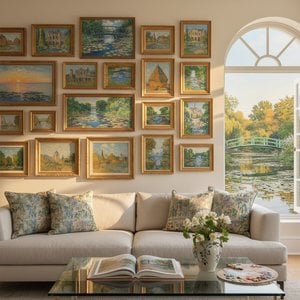
Uronite u svet Claudea Moneta sa 25 remek-dela impresionizma! Otkrijte priče iza poznatih slika, tehnike i inspiraciju. Reprodukcije vrhunskog kvaliteta za luksuzni dekor doma na WahooArt.com.

 Pregledaj u prostoru
 Pošalji
 Podeli
 Detalji o delu

 Преузми
 Slični predmeti
 Rendgenski snimak
 Slajdovi
 Pročitaj više







 Opcija sa staklom dostupna je samo za dimenzije manje od 110 cm


