


Umetničko delo prikazano na ovoj stranici zaštićeno je autorskim pravima, što znači da zakonski nismo u mogućnosti da kreiramo niti prodajemo identičnu reprodukciju. Ova zaštita se sprovodi u skladu sa međunarodnim sporazumima kao što su Bernska konvencija i nacionalnim zakonima, uključujući i one koji su definisani u Američki zakon o autorskom pravu – Naslov 17.
Ovaj metod je u potpunosti usklađen sa regulativama o autorskim pravima jer ne podrazumeva kopiranje ili dupliranje zaštićenih umetničkih dela. Umesto toga, reč je o kreativnoj reinterpretaciji – novom slikarskom delu koje je inspirisano originalom, ali nije identično njemu.
Giclée štampa ili print na platnu muzejskog kvaliteta uz brzu izradu i raznovrsne opcije završne obrade. ( Kupite ručno oslikano delo Pređi na digitalnu sliku)





























Izaberite jednu od naših unapred definisanih veličina koje odgovaraju originalnim proporcijama umetničkog dela.

Unesite željenu širinu i visinu kako bi se štampa uklopila u vaš ram ili zid. Štampu je moguće samo iseći, ali nikada povećati iznad dimenzija originalne slike, stoga format sa drugačijim proporcijama uzrokuje gubitak dela slike. Pre početka štampe, poslaćemo vam digitalni prikaz radi potvrde. Slika prikazana na ovoj stranici ne predstavlja stvarni isrez — to pokazuje samo digitalni prikaz.
Dostava širom sveta () za 2 nedelje umesto uobičajenih 4/5 nedelja. (8 новембар)
Florence
Dimenzije reprodukcije
To gaze upon this depiction of Florence is to step through a veil of time, into a moment suspended between vibrant history and quiet contemplation. Carlo Carrà’s vision captures more than just the magnificent dome of Santa Maria del Fiore; it encapsulates the very soul of Florentine artistry—a spirit rooted in the rigorous beauty of the Quattrocento. The composition itself feels like an archaeological discovery rendered in paint, presenting the city not as a mere collection of buildings, but as a unified, breathing volume. Carrà masterfully guides the eye across this aerial panorama, where every overlapping block and delicate curve speaks to centuries of human endeavor and artistic devotion.
Technically, the painting is a profound study in restraint. Carrà employs a technique characterized by light, quick brushstrokes and the exquisite layering of transparent glazes, or velature. This process allows the color to build up luminosity from within, giving the entire scene an ethereal, almost spiritual glow that seems to emanate from the very stone of the city. The structure is defined by thin, delicate black outlines—lines that are structural rather than restrictive. These lines serve to delineate the cubic forms of the architecture, suggesting a geometric order beneath the soft wash of color. It is this interplay between the rigid geometry suggested by the outlines and the atmospheric softness achieved through glazing that gives the piece its unique visual tension.
This work stands as a beautiful testament to the breadth of Carrà's artistic journey. Having navigated the turbulent waters of Futurism, Metaphysics, and various avant-garde movements throughout the twentieth century, here he finds a profound synthesis. In this later period, his focus turns inward, toward essential forms and pictorial simplicity. The painting moves away from overt naturalism or dramatic impressionism, instead achieving an equilibrium between concrete reality and sublime abstraction. It is Carrà distilling the monumental into its most fundamental visual components—a mature artist finding quiet power in elegant reduction.
The subject matter itself carries immense symbolic weight. Florence, particularly viewed through the lens of Brunelleschi’s dome, represents the pinnacle of Renaissance humanism and artistic revival. For Carrà, this city was not just a backdrop; it was a cultural touchstone. The muted palette—of soft blues, earthy grays, and pale terracotta—contributes to an overwhelming sense of tranquility. It invites the viewer into a meditative state, suggesting that true beauty lies in the enduring structure of culture itself. Owning this piece is acquiring not just art, but a tangible connection to the deep, abiding spirit of Italian artistic heritage.
For collectors and designers seeking an object imbued with history and quiet grandeur, this reproduction offers unparalleled depth. The soft luminosity achieved through Carrà’s glazing technique translates beautifully into interior spaces, acting as a focal point that uplifts any room without overwhelming it. It speaks to those who appreciate art that rewards close looking—a piece where the eye can wander from the defined geometry of the foreground blocks to the hazy, luminous expanse of the sky, finding continuous beauty in every subtle shift of tone.
Карло Кара je poznat/a i pod imenom Carlo Carra, Карло Кара (Пуно Име).
Delo "Florence" pripisuje se umetniku Карло Кара.
Reprodukcija dela „Florence”, autor Карло Кара preporučuje se za Accent. Ovaj predlog proizilazi iz teme, raspoloženja i boja samog dela.


1881 - 1966 , Италија
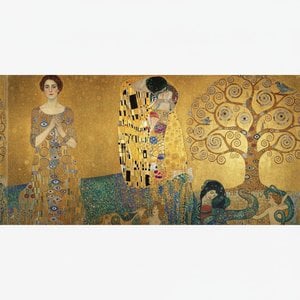
Uronite u svet Gustava Klimta! Otkrijte 25 remek-dela bečkog secesiona, od 'Poljupca' do portreta Adele Bloch-Bauer. Reprodukcije slika vrhunskog kvaliteta za luksuzni enterijer – inspiracija i dekoracija na WahooArt.com.

Istražite 25 remek-dela Galerije Uffizi u Firenci! Otkrijte priče iza slika Leonarda da Vinčija, Mikelanđela i Botticellija. Pronađite inspiraciju za dekoraciju enterijera i kupite reprodukcije vrhunske kvalitete na WahooArt.com.

Explore the artistic journey of Carlo Carrà, a pivotal figure in Italian Futurism & Metaphysical painting. Discover his dynamic compositions, collaborations with de Chirico, and lasting influence on modern art history.

Explore the profound works of Mario Sironi, a key figure in Italian Modernism. Discover his evolution from Futurism to Metaphysical painting and his powerful social commentary. Learn about his legacy at WahooArt.

Transform your living room with iconic art! Explore our guide to the Top 10 most famous paintings – from Van Gogh's Starry Night to Mona Lisa. Discover artist stories, techniques & find museum-quality reproductions for timeless decor. Explore the full collection on
 Pregledaj u prostoru
 Pošalji
 Podeli
 Detalji o delu
 Vodič
Vodič

 Preuzmi
 Slični predmeti
 Rendgenski snimak
 Automatska prezentacija
 Pitanja i odgovori
 Statistika


 Pročitaj više









 Opcija sa staklom dostupna je samo za dimenzije manje od 110 cm


