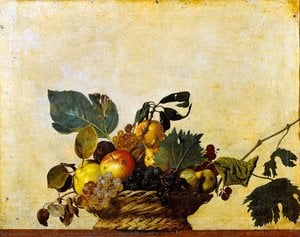
Biografija umetnika
Michelangelo Merisi da Caravaggio: Život Izkovan u Senci i Svetlu
Michelangelo Merisi da Caravaggio, čije ime je sinonim za dramatičnu intenzivnost barokne slike, rođen je 1571. godine u Milanu, u periodu prožetom umetničkim procvetavanjem i društvenim prevratima. Njegov rani život bio je obeležen gubitkom; kuga je pustošila njegov rodni grad, odnoseći živote njegovog oca i dede kada je imao samo šest godina. Odrastajući u relativnoj siromaštvu, mladi Michelangelo stekao je osetljivost na ljudsko stradanje i otpornost – teme koje će kasnije dominirati njegovim platnima. Počeo je svoj umetnički trening u Milanu pod Simoneom Peterzanom, bivšim učenikom Titijana, usvajajući osnove renesansne tehnike, ali već nagoveštavajući pobunjenički duh koji će ubrzo slomiti konvencionalne norme. Ovaj staž pružio je čvrst temelj, međutim, upravo u Rimu, po dolasku oko 1592. godine, Caravaggio je zaista pronašao svoj glas, iako ne bez početnih borbi i poteškoća. Grad, živa metropola umetničkog patrozinata i verske pobožnosti, pokazao se istovremeno privlačnim i nemilosrdnim prema ambicioznom mladom slikar.
Revolucionisanje Vizije: Tehnika i Stil
Caravaggiov dolazak u Rim najavio je seizmički pomak u italijanskoj umetnosti. On je odbacio preovlađujući maniristički stil – karakterizovan veštačkom elegancijom i izduženim oblicima – u korist nekompromisnog realizma koji je šokirao i očarao publiku. Njegova najvažnija inovacija bila je njegova majstorska upotreba kijaroskura, dramatičnog kontrasta između svetla i tame, koju je podigao na nov nivo izrazite moći. Ova tehnika, često nazvana tenebrizmom, nije bila samo estetski izbor; bila je sredstvo za pojačavanje emocionalnog uticaja, privlačeći gledaoca u srce scene i nadajući figuri opipljivu prisutnost. On je izbegavao idealizovane prikaze, već je populirao svoja dela običnim ljudima – često crpljenim sa ulica Rima – kao modele za verske figure. Ovaj radikalni pristup izazvao je tradicionalna shvatanja lepote i svetosti, čineći sakralno relatable i duboko humano. Njegove kompozicije su bile često stroge i direktne, fokusirajući se na ključne trenutke intenzivne drame, bilo da je reč o brutalnom realizmu "Uzimanju Hrista" ili mirnoj kontemplaciji u "Svetom Franje od Asiza u Ekstaziji".
Ključna Dela i Trajni Uticaj
Tokom svoje relativno kratke karijere, Caravaggio je stvorio opus koji nastavlja da rezonuje sa publikom i danas. Rane slike kao što je "Proročica" (1594) demonstriraju njegovu rastuću sposobnost hvatanja realističkih detalja i psihološke nijanse. "Večera u Emausu" (1601-1602), smeštena u Nacionalnoj galeriji u Londonu, oličava njegovu majstorsku kontrolu kijaroscura i sposobnost da prenese duboku emocionalnu dubinu unutar biblijskog narativa. "David sa glavom Golijata" (oko 1610) je posebno zastrašujuća, često interpretirana kao portret samog sebe koji odražava Caravaggiovo sopstveno poremećeno stanje uma. Njegov uticaj se protezao daleko izvan Italije, inspirisajući generaciju umetnika poznatih kao Caravaggisti, ili "seni", koji su usvojili njegov stil širom Evrope. Poznati sledbenici uključivali su Petra Paula Rubensa, Jusepa de Ribera i Gerrita van Honthorsta, svaki od kojih je prilagođavao Caravaggiove tehnike svojim jedinstvenim umetničkim vizijama.
Burni Život i Trajna Ostavština
Caravaggiov život bio je dramatičan i buran kao i njegova umetnost. Volatilni temperament i sklonost tučnjavama doveli su ga u česte probleme sa zakonom, što je kulminiralo optužbom za ubistvo 1606. godine koja ga je naterala da pobegne iz Rima. Proveo je sledeće četiri godine lutajući kroz Napulj, Maltu i Siciliju, nastavljajući da slika dok je očajnički tražio oproštaj od pape. Uprkos njegovim naporima, ostao je izvan zakona, progonjen svojom prošlošću i mučen ličnim sukobima. Umro je u Porto Ercoleu, Italiji, 1610. godine pod misterioznim okolnostima – uzrok njegove smrti ostaje predmet rasprava, sa teorijama koje variraju od groznice do trovanja. Iako je njegov život bio prekratak, Caravaggiova umetnička zaostavština opstaje kao svedočanstvo njegove revolucionarne vizije i neokolevajuće posvećenosti realizmu. On je izazvao konvencije svog vremena, otvarajući put modernijem pristupu slikanju i ostavljajući neizbrisiv trag na tokove zapadne umetnosti. Njegovo delo nastavlja da inspiriše divljenje i podstiče kontemplaciju, podsećajući nas na moć umetnosti da osvetli najmračnije kutke ljudskog iskustva.



 Pregledaj u prostoru
 Pređi na prodaju štampanih primeraka
 Podeli
 Podeli
 Detalji
 Vodič
Vodič

 Preuzmi sliku
 Slični predmeti
 Rendgenski snimak
 Automatska prezentacija
 Statistika
 Pročitaj više






































 Opcija sa staklom dostupna je samo za dimenzije manje od 110 cm