Michelangelo Merisi da Caravaggio’s *Ecce Homo*: A Window Into Suffering
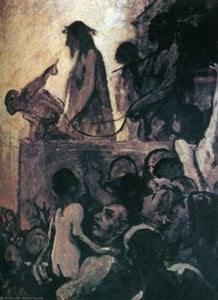
Caravaggio's Ecce Homo, painted circa 1605/06 or 1609 and currently residing in the Palazzo Bianco of Genoa, is not merely a depiction of a biblical scene; it’s a profound exploration of human emotion, faith, and the unsettling nature of power. This arresting image, rendered in oil on canvas measuring 128 x 103 cm, immediately commands attention through its masterful use of chiaroscuro – Caravaggio's signature technique of dramatic light and shadow – creating an atmosphere thick with tension and moral ambiguity. The painting’s impact transcends the historical narrative it portrays, offering a timeless meditation on guilt, judgment, and the fraught relationship between humanity and authority.
The scene itself is deceptively simple: Pontius Pilate, the Roman governor of Judea, presents a scourged and crowned Jesus to a hostile crowd. Three figures dominate the composition – a man being nailed to the cross (likely a symbolic representation of Christ), another holding him down with his hands on his chest, and a third observing the event from behind a balcony. The stark contrast between the bright light illuminating the faces and bodies of these individuals and the enveloping darkness of the background immediately draws the viewer’s eye to the central figure: Jesus himself. His expression is one of profound sorrow and resignation, yet also an unsettling calmness, as if accepting his fate with quiet dignity.
The Anatomy of Dramatic Light
Caravaggio's genius lies not just in his subject matter but in his revolutionary approach to technique. The *Ecce Homo* exemplifies his mastery of chiaroscuro, a technique he developed and perfected throughout his career. He doesn’t simply paint light; he sculpts it, using intense beams to highlight the faces and bodies of the figures while plunging the background into deep shadow. This creates an almost theatrical effect, amplifying the drama and emotional intensity of the scene. Notice how the light seems to emanate from a single source, casting sharp, defined shadows that emphasize the physicality of the figures – their wounds, their muscles, their expressions of anguish. This deliberate manipulation of light isn’t just aesthetic; it serves to draw the viewer's attention directly to Jesus, forcing us to confront his suffering and Pilate’s complicity.
Furthermore, Caravaggio’s use of *tenebrism* – a particularly extreme form of chiaroscuro – intensifies this effect. The figures are almost violently illuminated against the dark backdrop, creating a sense of claustrophobia and highlighting their vulnerability. The stark contrast between light and shadow isn't merely decorative; it’s deeply symbolic, representing the conflict between divine grace and human sin, between hope and despair.
Symbolism and Historical Context
Beyond its immediate visual impact, *Ecce Homo* is rich in symbolism. The crown of thorns, prominently displayed on Jesus' head, immediately evokes the suffering associated with his crucifixion. The man holding him down represents the crowd’s demand for Pilate to execute him, while the observer symbolizes the indifference or complicity of those who witness injustice. Pilate himself, rendered as a somewhat hesitant and conflicted figure, embodies the moral dilemma faced by rulers – the temptation to avoid responsibility and appease the masses. The painting is a powerful commentary on the nature of power, the burden of leadership, and the consequences of inaction.
Painted during a period of intense religious fervor and political upheaval in Italy, *Ecce Homo* reflects the anxieties and uncertainties of the time. Caravaggio’s work was deeply rooted in the Counter-Reformation, and his dramatic depictions of biblical scenes were intended to evoke strong emotional responses in viewers – encouraging piety and repentance. The painting's placement within the Palazzo Bianco, a historic building designed for the Brignole-Sale family, adds another layer of historical context, suggesting a deliberate attempt by the patrons to connect with the themes of suffering and redemption.
A Timeless Masterpiece
Michelangelo Merisi da Caravaggio’s *Ecce Homo* remains one of the most compelling and emotionally resonant works in art history. Its masterful use of chiaroscuro, combined with its profound symbolism and historical context, creates an experience that is both visually stunning and intellectually stimulating. Reproductions of this iconic painting capture a fraction of its original power, offering a window into the heart of human suffering and the complexities of faith. Whether viewed in person or reproduced, *Ecce Homo* continues to challenge viewers to confront uncomfortable truths about themselves and the world around them.
Pitanja i odgovori
Kolika je zasićenost i intenzitet koji prikazuje „Ecce Homo”, Каравађо?
Boja dela "Ecce Homo" ima Umereno meko zasićenost i Uravnoteženo intenzitet.
U kojoj fazi karijere Каравађо pripada delo "Ecce Homo", s obzirom na njegov datum nastanka?
Datum 1606 smešta "Ecce Homo" u Mature Period razvoja umetnika Каравађо.
Kako mogu da preuzmem sliku dela „Ecce Homo”, Каравађо?
Slika dela „Ecce Homo”, Каравађо može se preuzeti na stranici za preuzimanje ovog umetničkog dela: Preuzimanje: preuzimanje digitalne slike visoke rezolucije.



 Pregledaj u prostoru
 Naručite ručno oslikano reprodukciju
 Podeli
 Podeli
 Detalji
 Vodič
Vodič

 Preuzmi sliku
 Slični predmeti
 Rendgenski snimak
 Automatska prezentacija
 Statistika


 Pročitaj više






































 Opcija sa staklom dostupna je samo za dimenzije manje od 110 cm