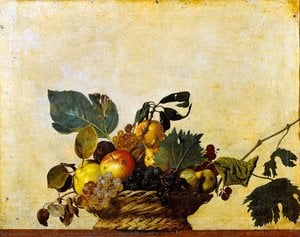
Oil On CanvasWallArtBaroque
 1600Early Modern
 237.0 x 189.0 cm
Giclée štampa ili print na platnu muzejskog kvaliteta uz brzu proizvodnju i fleksibilne opcije završne obrade. ( Kupi ručno naslikanu sliku Kupi digitalnu sliku)





























Izaberite jednu od naših unapred definisanih veličina koje odgovaraju originalnim proporcijama umetničkog dela.

Možete uneti sopstvene dimenzije kako biste umetničko delo prilagodili specifičnom okviru ili prostoru. Ako odabrani format ne odgovara proporcijama originalne slike, mi ćemo ili iscrtati deo dela ili proširiti sliku pomoću ogledane ivice ili jednobojnog popunjavanja. Digitalni prikaz će vam biti poslat na odobrenje pre početka proizvodnje.
Imajte na umu da pregled na ekranu ne odražava stvarno iscrtavanje ili proširivanje. Samo će prikaz (mockup) precizno pokazati finalnu kompoziciju.
Iako su prilagođene dimenzije dostupne, preporučujemo da odaberete dimenziju sa unapred definisane liste kako biste očuvali originalne proporcije.
Dostava širom sveta () za 2 nedelje umesto uobičajenih 4/5 nedelja. (7 септембар)


Conversion of Saint Paul
Dimenzije reprodukcije
Caravaggio's "Conversion of Saint Paul," painted in 1600, stands as a pivotal work within the Baroque art movement and a testament to Michelangelo Merisi da Caravaggio’s revolutionary approach to religious painting. This oil on canvas masterpiece, measuring 237 x 189 cm, captures a moment of profound spiritual transformation with dramatic intensity and unparalleled realism.
The artwork vividly portrays the biblical event where Saint Paul, formerly known as Saul, experiences a divine encounter on his journey to Damascus. While traveling to persecute Christians, he is struck by a blinding light and hears the voice of Jesus Christ. The painting freezes this pivotal moment: Paul dramatically falls from his horse (though the horse itself is partially obscured), while another figure kneels beside him in apparent shock or prayer. This composition immediately draws the viewer into the heart of the event, emphasizing the suddenness and power of the divine intervention.
Caravaggio’s signature style shines through in "Conversion of Saint Paul." The most striking element is his masterful use of *chiaroscuro* – a technique employing stark contrasts between light and shadow. A single, intense beam of light illuminates Paul's face and upper body, highlighting the raw emotion and physical impact of the experience. This dramatic lighting not only creates visual drama but also directs the viewer’s gaze to the central figure, emphasizing his spiritual awakening. The figures themselves are rendered with remarkable realism; Caravaggio eschewed idealized forms, instead depicting them with palpable musculature and realistic textures, a departure from the more stylized depictions common in earlier Renaissance art. His use of tenebrism – an even more extreme form of chiaroscuro where darkness dominates – further intensifies the emotional impact.
Painted during a period when Caravaggio was rapidly gaining recognition, "Conversion of Saint Paul" reflects the broader artistic trends of the Baroque era. This movement emphasized drama, emotion, and grandeur, often employing theatrical lighting and dynamic compositions to engage viewers on an emotional level. The painting’s subject matter – the conversion of a persecutor into one of Christianity's most fervent apostles – held significant religious importance during the Counter-Reformation, a period when the Catholic Church sought to reaffirm its doctrines and inspire renewed faith. Symbolically, the light represents divine grace and revelation, while Paul's fall signifies his humbling and surrender to God’s will. The inclusion of the horse, though not explicitly mentioned in all biblical accounts, reinforces Paul’s status as a Roman official and underscores the abruptness of his transformation.
"Conversion of Saint Paul" evokes a powerful sense of awe, vulnerability, and spiritual awakening. The raw emotion etched on Paul's face, combined with the dramatic lighting and dynamic composition, creates an unforgettable visual experience. Despite periods of fluctuating popularity after Caravaggio’s death, his influence on Western art remains undeniable. His innovative use of light and shadow continues to inspire contemporary artists, and "Conversion of Saint Paul" stands as a timeless example of Baroque painting's ability to capture human emotion and drama with unparalleled intensity.


1571 - 1610 , Италија

Embark on a sophisticated journey through Italian Baroque art. Discover the dramatic interplay of light and emotion in Caravaggio’s masterpieces and explore how to bring this timeless grandeur into your collection with expert art insights.

Explore the profound mastery of Caravaggio's tenebrism. Discover how his dramatic use of chiaroscuro revolutionized Baroque art through intense emotion and realism. An expert guide for classic art enthusiasts seeking to understand the power of shadow in historical masterpieces.
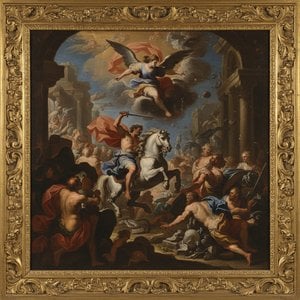
Explore the breathtaking power of Baroque art. Delve into the dramatic interplay of light, shadow, and motion through the works of masters like Caravaggio. Discover how the era's intense emotional realism continues to inspire collectors and connoisseurs of classical grandeur.

Discover the profound emotional power of Baroque painting. Explore the mastery of chiaroscuro, the realism of Caravaggio, and the dramatic interplay of light and shadow in this expert guide for classical art enthusiasts and collectors.

 Pregledaj u prostoru
 Pošalji
 Podeli
 Detalji o delu

 Преузми
 Slični predmeti
 Rendgenski snimak
 Slajdovi
 Pročitaj više







 Opcija sa staklom dostupna je samo za dimenzije manje od 110 cm