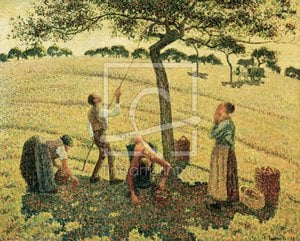
Život Uokvirio Oko: Svet Kamila Pisaroa
Kamila Pisara, čije se ime nerazdvojno veže za rođenje i evoluciju impresionizma, bio je umetnik čiji je život odražavao promenljive pejzaže koje je tako posvećeno zabeležio na platnu. Rođen Jakov Abraham Kamil Pisar 10. jula 1830. godine na ostrvu Sveta Toma – tada deo Danskog zapadnog carstva, a danas američkih devičanskih otoka – njegovo poreklo bilo je tako raznoliko i živo kao scene koje su kasnije definisale njegovu umetničku viziju. Njegov otac, portugalski jevrejski trgovac sa francuskim državljanstvom, a majka iz porodice francuskih Jevreja na ostrvu, u njemu su utkali jedinstven kulturni identitet. Ovo odrastanje, pomalo neobično zbog porodičnih komplikacija, podstaklo je rano osećanje za svet oko njega, kvalitet koji će postati kamen temeljac njegove umetničke prakse. Njegova inicijalna formalna obuka u Akademiji Savari blizu Pariza pružila mu je osnovu tradicionalnih tehnika, ali je njegov povratak na Sveta Toma i naknadni rad kao poslovođa teretnog broda zaista zapalio njegovu strast za posmatranjem. Brizg luka, živahni lokalni život i sirova lepota karipskog peјzaža postale su njegove prve teme, oblikujući oko koje je bilo izuzetno osetljivo na nijanse svakodnevnog postojanja.
Od Realizma do Revolucije: Umetnički Razvoj
Umetničko putovanje Pisara bilo je jedno od stalne eksploracije i rafiniranja. Nakon perioda rada kao pomoćnik danskog slikara Antona Melbija u Parizu, on se uranio u dela majstora poput Gista Kurbea, Žan-Baprist-Kamila Korota i Onorea Dombije – umetnika koji su zastupali realizam i socijalni komentar. Prvo je tražio prihvatanje unutar uspostavljenog umetničkog sveta, izlagajući se na Salonu u Parizu, ali je ubrzo otkrio da ga ograničavaju ta ista pravila. Ključni trenutak nastao je njegovim prihvatom slikanja na otvorenom – radeći direktno iz prirode – prakse koju je ohrabrio Korot i koja će postati središnja u impresionizmu. Ova promena nije bila samo tehnička; ona je predstavljala filozofsku promenu, želju da se uhvate prolazni efekti svetlosti i atmosfere, samu suštinu scene, a ne njena precizna reprezentacija. Počeo je da eksperimentiše sa slobodnijim potezima kista i življom paletom boja, odmaknuvši se od akademskih konvencija ka izrazitijem stilu. Njegovi raniji pejzaži, iako još uvek zasnovani na realizmu, nagoveštavali su put revolucije kojim je trebalo da krene. Ovaj period je obeležavao njegovu borbu da pronađe svoj glas usred buran umetnički ferment Pariza, grada koji se ubrzano transformisao i pružao beskrajan izvor inspiracije.
Otački Lik Impresionizma
Kamil Pisar nije bio samo *jedan* impresionista; on je verovatno najstabilnija i ujedinavajuća sila pokreta. Jedinstveno, izlagao je svoja dela na svih osam pariških impresionističkih izložbi između 1874. i 1886. godine, delujući kao stabilizujuće prisustvo unutar grupe koja se često odlikovala unutrašnjim neslaganjima i individualnim ambicijama. On nije bio samo prisutan – aktivno je ohrabrivao svoje kolege umetnike, pružajući podršku, smernice i neophodno međusobno poverenje. Zahvaljujući tome zaradio je naklonjeno nadimak „umetnički otac“. Njegova posvećenost umetničkoj slobodi i inovacijama bila je neumorna, čak i u svetlu kritičkog odbijanja i javne ravnodušnosti. Vario je moć kolektivnog delovanja i zastupao ideju da umetnici izlažu nezavisno od restriktivnih pravila Salona. Osim sopstvenog rada, uticaj Pisara protezao se na mlađu generaciju umetnika, uključujući Pola Sezana, Vinsenta van Goga i Pola Gauguina, kojima je pružio mentorstvo i duboko ih je inspirisao. Pružio im je ne samo tehničke savete, već i filozofski okvir za njihove umetničke istraživanja. Njegova spremnost na eksperimentisanje dovela ga je nakratko u neoimpresionizam, pod uticajem pointilističkih tehnika Žorža Seurata i Pola Signaka, pre nego što se konačno vratio ličnom stilu koji je spajao njegove ranije uticaje sa novim otkrićima.
Pejzaži života: Tematike i nasleđe
Umetnički izraz Pisara bio je neverovatno raznolik, a ipak dosledno fokusiran na svet oko njega. Proslavljen je zbog svojih prikaza kako ruralnih tako i urbanih pejzaža, često prikazujući scene svakodnevnog života – seljaci koji rade u poljima, žive ulice Pariza, mirne seoske trgove. Njegove slike nisu bile samo pitoreskne vizure; bili su socijalni komentari, odraz njegove duboke empatije prema radničkoj klasi i njegovog posvećenja prikazivanju njihovih života sa dostojanstvom i poštovanjem.
- Pejzaži: Poznat po hvatanju lepote kako sela tako i gradskog života.
- Scene pariškog života: Žive prikazi brzo promenljivog metropola.
- Život seljaka: Odražava njegovu socijalnu svest i empatiju prema radničkoj klasi.
Njegova kasnija dela, posebno ona stvorena tokom perioda političkih nemira ili ličnih teškoća, često nose osećaj melanholije i društvene kritike. Pisarevo nasleđe se proteže daleko izvan njegovih prekrasnih slika. Bio je zastupnik umetničke slobode, mentor generacija umetnika i pionir u razvoju moderne umetnosti. Njegova posvećenost slikanju na otvorenom revolucionisala je pejzažno slikarstvo, dok je njegova spremnost da eksperimentiše sa različitim stilovima demonstrirao njegovu intelektualnu znatiželju i neumoljivu predanost svom zanatu. Danas se njegove slike nalaze u glavnim muzejima širom sveta, nastavljajući da inspirišu i fasciniraju publiku svojom iskrenošću, lepotom i dubokim čovekoljubljem. On ostaje slavljen kao figura čiji doprinosi i dalje proučavaju i cene zbog svog trajnog značaja.
Umetnost Kamila Pisara nije samo zapis sveta kakav je bio; to je svedočenje moći posmatranja, empatije i umetničke inovacije.



 Pregledaj u prostoru
 Kupi ručno naslikanu sliku
 Pošalji
 Podeli
 Detalji o delu

 Преузми
 Slični predmeti
 Rendgenski snimak
 Slajdovi
 Statistika

 Pročitaj više






































 Opcija sa staklom dostupna je samo za dimenzije manje od 110 cm