Giclée štampa ili print na platnu muzejskog kvaliteta uz brzu izradu i raznovrsne opcije završne obrade. ( Kupite ručno oslikano delo Pređi na digitalnu sliku)





























Izaberite jednu od naših unapred definisanih veličina koje odgovaraju originalnim proporcijama umetničkog dela.

Unesite željenu širinu i visinu kako bi se štampa uklopila u vaš ram ili zid. Štampu je moguće samo iseći, ali nikada povećati iznad dimenzija originalne slike, stoga format sa drugačijim proporcijama uzrokuje gubitak dela slike. Pre početka štampe, poslaćemo vam digitalni prikaz radi potvrde. Slika prikazana na ovoj stranici ne predstavlja stvarni isrez — to pokazuje samo digitalni prikaz.
Dostava širom sveta () za 2 nedelje umesto uobičajenih 4/5 nedelja. (9 новембар)
Перање Књига
Dimenzije reprodukcije
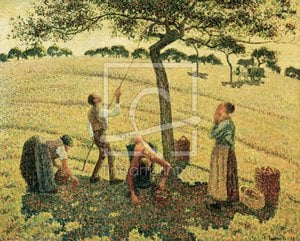
Camille Pissarro's "The Laundry Woman," painted in 1898, stands as a quintessential example of Impressionism—a movement that sought to capture the fleeting beauty of everyday life and the effects of light on color. More than just depicting a simple chore, Pissarro elevates this commonplace scene into an emblem of rural tranquility and familial warmth, reflecting the core tenets of his artistic philosophy.
Executed in oil on canvas with loose, expressive brushstrokes—a hallmark of Pissarro’s technique—the painting eschews meticulous detail for a vibrant portrayal of atmosphere. The artist prioritizes capturing the ephemeral qualities of light filtering through foliage onto the woman's clothing and surroundings. Notice how the dappled sunlight illuminates the barrel filled with laundry, creating shimmering highlights that dance across the surface of the canvas.
Painted during a period of significant artistic experimentation, “The Laundry Woman” aligns itself squarely within the burgeoning Impressionist movement. Artists like Cézanne and Monet were pushing boundaries against academic conventions, favoring subjective perception over objective representation. Pissarro’s decision to portray rural life—a subject often considered sentimental by critics of the time—was a deliberate challenge to prevailing artistic tastes, asserting the importance of observing and recording the world as it appeared to the artist’s eye.
The muted palette dominated by blues and greens contributes significantly to the painting's serene mood. These colors evoke the tranquility of the countryside, mirroring the quiet dignity of the woman performing her daily tasks. The inclusion of potted plants—one on either side of the frame—further reinforces this sense of domestic harmony and connection with nature. They symbolize fertility and growth, subtly enriching the narrative beyond its surface depiction.
"The Laundry Woman" transcends mere visual representation; it invites contemplation about the rhythms of rural existence and the beauty inherent in ordinary moments. Pissarro’s masterful brushwork conveys a palpable sense of movement—the woman's bending posture, the subtle rustle of leaves—creating an immersive experience for the viewer. Ultimately, this painting serves as a poignant reminder that art can find profound resonance in capturing the simplest aspects of human life and transforming them into enduring expressions of beauty.
„Перање Књига”, autor Kamij Pisaro prikazuje: laundry woman, rural scene, domestic life, outdoor painting, impressionist style, french art, daily chore, pissarro artwork.
Spokojno atmosfera dela „Перање Књига”, autor Kamij Pisaro savršeno odgovara preporučenom prostoru: Dnevna soba.
Boje dela „Перање Књига”, autor Kamij Pisaro odlikuju se Umereno nežna zasićenosti i Uravnoteženo intenzitetom.


1830 - 1903 , Francuska

Otkrijte fascinantnu razliku između impresionizma i postimpresionizma. Vodič kroz revoluciju svetlosti i emocije, namenjen ljubiteljima vrhunske umetnosti koji traže autentičnost i dubinu u svakom potezu četkice.

Discover the luminous world of Camille Pissarro. Explore how this Impressionist master captured light and rural life through evocative landscapes, from Pontoise to Eragny, and learn about his enduring legacy in art history.

Discover the profound allure of oil on canvas. Explore the mastery of impasto textures, the science of pigment longevity, and expert guides to selecting museum-quality reproductions that elevate your collection with timeless elegance and tactile depth.
 Pregledaj u prostoru
 Pošalji
 Podeli
 Detalji o delu
 Vodič
Vodič

 Preuzmi
 Slični predmeti
 Rendgenski snimak
 Automatska prezentacija
 Pitanja i odgovori
 Statistika

 Pročitaj više









 Opcija sa staklom dostupna je samo za dimenzije manje od 110 cm