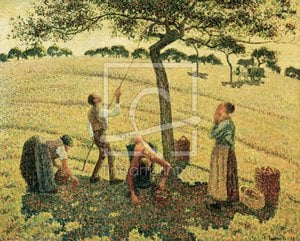
Ulje na platnuUmetnost za zidoveImpressionist Landscape
 1902
1902 65.0 x 81.0 cm
Giclée štampa ili print na platnu muzejskog kvaliteta uz brzu proizvodnju i fleksibilne opcije završne obrade. ( Kupi ručno naslikanu sliku Kupi digitalnu sliku)





























Izaberite jednu od naših unapred definisanih veličina koje odgovaraju originalnim proporcijama umetničkog dela.

Možete uneti sopstvene dimenzije kako biste umetničko delo prilagodili specifičnom okviru ili prostoru. Ako odabrani format ne odgovara proporcijama originalne slike, mi ćemo ili iscrtati deo dela ili proširiti sliku pomoću ogledane ivice ili jednobojnog popunjavanja. Digitalni prikaz će vam biti poslat na odobrenje pre početka proizvodnje.
Imajte na umu da pregled na ekranu ne odražava stvarno iscrtavanje ili proširivanje. Samo će prikaz (mockup) precizno pokazati finalnu kompoziciju.
Iako su prilagođene dimenzije dostupne, preporučujemo da odaberete dimenziju sa unapred definisane liste kako biste očuvali originalne proporcije.
Dostava širom sveta () za 2 nedelje umesto uobičajenih 4/5 nedelja. (7 септембар)


Мост Ньоф
Dimenzije reprodukcije
Camille Pissarro’s “The Pont-Neuf,” completed in 1902, isn't merely a depiction of Paris; it’s an embodiment of Impressionism itself—a testament to the movement’s ability to distill emotion and atmosphere into visual form. Situated at the Hiroshima Museum of Art in Japan, this oil on canvas masterpiece offers viewers a glimpse into a pivotal moment in artistic history.
A Snapshot of Urban Life The painting transports us back to early 20th-century Paris, capturing the vibrant pulse of city life with remarkable precision. Pissarro skillfully portrays a bustling street scene dominated by the iconic Pont Neuf bridge spanning across the Seine River. Figures populate the composition—walkers leisurely strolling along the pavement, horse-drawn carriages gliding past, bicycles weaving through traffic – each element contributing to the dynamic energy of the tableau.
Impressionist Techniques: Light and Color as Narrative What distinguishes “The Pont-Neuf” is Pissarro’s masterful application of Impressionist techniques. He abandons traditional chiaroscuro—the dramatic interplay of light and shadow—favoring instead a luminous palette infused with subtle hues. Broken brushstrokes, characteristic of the style, create an illusion of movement and shimmer, mirroring the fleeting impressions experienced by the artist himself. The artist’s deliberate use of color isn't simply decorative; it serves to convey mood and emotion – capturing the hazy sunlight filtering through the buildings and reflecting off the water surface.
Historical Significance: Beyond Landscape Painting “The Pont-Neuf” represents a significant departure from prevailing artistic conventions of its time. Prior to Impressionism, landscape paintings often prioritized idealized beauty and meticulous detail. Pissarro’s focus on capturing everyday life—the ordinary activities of Parisians—challenged established norms and paved the way for a new aesthetic sensibility. This painting aligns with the broader movement's exploration of modern urban experience.
Related Works by Camille Pissarro Pissarro produced several other paintings featuring the Pont Neuf, each offering a nuanced perspective on this enduring Parisian landmark. Notable examples include “The Louvre and the Seine from the Pont Neuf,” which showcases the grandeur of the museum alongside the river’s flow, and “The Pont Neuf, Shipwreck of the Bonne Mere,” presenting a dramatic contrast between urban serenity and maritime turbulence. These artworks can be found on The Pont-Neuf by Camille Pissarro and other relevant pages at WahooArt.
Ultimately, “The Pont-Neuf” stands as a beacon of Impressionist artistry—a captivating portrayal of Parisian life infused with light, color, and an unwavering commitment to capturing the ephemeral beauty of the moment. It’s a piece that continues to inspire admiration for its artistic innovation and enduring emotional resonance.


1830 - 1903 , Francuska

Discover the luminous world of Camille Pissarro. Explore how this Impressionist master captured light and rural life through evocative landscapes, from Pontoise to Eragny, and learn about his enduring legacy in art history.

Master the nuances of Impressionism vs. Post-Impressionism with our expert guide. Explore the revolutionary shift from Monet’s fleeting light to Van Gogh’s emotional depth. Discover how these iconic movements continue to inspire fine art collectors and modern interiors today.

 Pregledaj u prostoru
 Pošalji
 Podeli
 Detalji o delu

 Преузми
 Slični predmeti
 Rendgenski snimak
 Slajdovi
 Pročitaj više







 Opcija sa staklom dostupna je samo za dimenzije manje od 110 cm