BESPLATNA KONSULTACIJA SA STRUČNJAKOM ZA UMETNOST

x
Kupi štampu Kupi štampuKupi digitalnu sliku Kupi digitalnu sliku PošaljiPošalji
Detalji o deluDetalji o delu Dodaj u omiljene Dodaj u omiljene ПреузмиПреузми Slični predmetiSlični predmeti Rendgenski snimakRendgenski snimak SlajdoviSlajdovi

Bartered

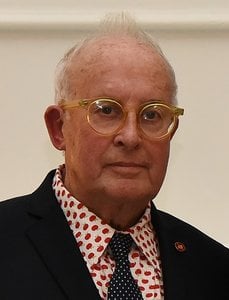
Billy Apple (1935-2021) was a pioneering Pop & Conceptual artist known for his self-branding, neon works, and exploration of art's relationship to everyday life. Associated with Warhol & Hockney.

Ručno rađena uljana reprodukcija

Ručno oslikano uljanim bojama na platnu u dimenzijama i okviru po vašem izboru, izrađeno po porudžbini od strane naših umetnika.

Standard
custom
CM
INCH

Izaberite jednu od naših unapred definisanih veličina koje odgovaraju originalnim proporcijama umetničkog dela.

širina
visina

Можете унети сопствене димензије како бисте прилагодили дело одређеном оквиру или простору. Ако одабрана величина не одговара пропорцијама оригинала, слика ће бити исечена или проширена додатним елементима који се ручно насликавају. Дигитални prikaz ће вам бити послат на одобрење пре почетка производње.
Имајте на уму да преглед на екрану не одражава стварно исецање или проширење. Само приказ (mockup) ће тачно приказати коначну композицију.
Иако су доступне прилагођене величине, препоручујемо да одаберете димензију из дефинисане листе како бисте сачували оригиналне пропорције.

Primeri onoga što se može promeniti: Zamena lica fotografijom kupca; Dodavanje ljubimca (npr. zamena mačke psom); Uključivanje skrivene poruke u pozadini; Promena pejzaža ili elemenata pozadine.
Nakon narudžbine, tim WahooArt.com će klijentu putem e-pošte poslati uputstva i dostaviti prikaz predloženog rešenja

Isporuka širom sveta () za 3/4 nedelje umesto uobičajenih 5 nedelja. (10 јул). Bez kompromisa po pitanju kvaliteta.

why_choose_icon
Besplatna ekspresna dostava širom sveta
why_choose_icon
Visokokvalitetno laneno platno
why_choose_icon
Kompletno osiguranje transporta
why_choose_icon
Garancija povraćaja carine i uvoznih dažbina
why_choose_icon
Garancija vernosti boja
why_choose_icon
Politika povrata u roku od 60 dana (samo u slučaju nedostataka)
why_choose_icon
Garancija povrata novca od 100%
why_choose_icon
Popust pri grupnoj kupovini

Ukupna cena

-

reproduction

Bartered

Tehnika reprodukcije

Dimenzije reprodukcije

-

Konačna cena

-

Srodna umetnička dela


Biografija umetnika

Billy Apple: A Pioneer of Pop and Conceptual Art

Born Barrie Bates in Auckland, New Zealand, on December 31st, 1935, Billy Apple’s artistic journey was a radical transformation—a deliberate shedding of identity to forge a new persona entirely dedicated to exploring the intersection of art, commerce, and everyday life. His career spanned six decades, marked by a relentless experimentation with materials, concepts, and his own self-branding, ultimately establishing him as a pivotal figure in both Pop Art and Conceptual Art movements. Apple’s work wasn't simply about creating objects; it was about questioning the very nature of art itself – its value, its context, and its relationship to the world around us.

Early influences were surprisingly diverse. Bates’ initial training at Elam School of Fine Arts in Auckland exposed him to a burgeoning New Zealand art scene, but his true artistic awakening occurred during his studies at the Royal College of Art in London in 1959. There, amidst the vibrant and challenging environment of post-war British art, he encountered artists like David Hockney and Ridley Scott, absorbing their innovative approaches while simultaneously forging his own distinct path. This period laid the groundwork for his later embrace of Pop Art’s fascination with popular culture and its critique of consumerism – a theme that would become central to his practice.

The Birth of Billy Apple

In 1962, Bates dramatically reinvented himself as Billy Apple. This wasn't merely a name change; it was a complete artistic statement. He bleached his hair and eyebrows with Lady Clairol Instant Cremé Whip – a deliberate act of appropriation and subversion, immediately signaling a rejection of traditional notions of the artist’s persona. The creation of ‘Billy Apple’ coincided with a move to New York City in 1964, where he began to actively participate in the burgeoning Pop Art scene. This strategic rebranding allowed him to operate outside the constraints of personal identity and focus solely on his artistic vision.

Apple's early work in New York was characterized by a playful engagement with technology and consumer culture. The “American Supermarket” exhibition, curated by Ben Birillo in 1964, showcased everyday objects – produce, canned goods, advertisements – all created by prominent Pop artists, including Apple himself. This project brilliantly highlighted the blurring lines between art and commerce, reflecting the growing influence of mass media and advertising on society. Later, his exploration of neon signage—particularly in works like “Apples to Xerox” (1965) and “Neon Rainbows” (1965)—became a signature element, utilizing bright, synthetic light to draw attention to the artificiality of modern life.

Conceptual Innovations and Apple Spaces

As the 1970s progressed, Apple shifted his focus towards more conceptual approaches. He established ‘APPLE,’ a groundbreaking alternative exhibition space in New York City’s West Village in 1969. This wasn't simply a gallery; it was a self-contained environment designed to challenge conventional art practices and foster dialogue. ‘APPLE’ operated as both an exhibition venue and a forum for artistic experimentation, hosting works by artists like Geoff Hendricks, Larry Miller, and Davi Det Hompson. The space became a vital hub for the avant-garde, pushing boundaries and questioning established hierarchies within the art world.

Beyond ‘APPLE,’ Apple continued to develop his own unique system of branding and self-promotion. He created a line of products – “Billy Apple” cider, coffee, and even an apple variety – extending his artistic identity into the realm of commerce. This strategic move wasn’t merely about generating revenue; it was a deliberate exploration of the relationship between art and capital, questioning the very definition of value within the art market.

Legacy and Influence

Billy Apple's influence on contemporary art is profound. He pioneered techniques like neon sculpture and self-branding, pushing the boundaries of artistic expression and challenging traditional notions of the artist’s role. His work continues to be exhibited internationally, recognized for its conceptual rigor, playful experimentation, and critical engagement with society. Apple’s legacy extends beyond his individual artworks; he fundamentally altered the way artists approached their practice, demonstrating the power of self-invention and the potential for art to operate as a commentary on the world around us. He died in Auckland, New Zealand, on September 6th, 2021, leaving behind a body of work that remains both provocative and deeply insightful.

billy apple

billy apple

1935 - 2021

Osnovne informacije

  • Artistic Movement Or Style: Pop & Conceptual Art
  • Artists Or Movements Influenced By This Artist:
    • London School of Pop Art
    • New York Conceptual Art
  • Artists Who Influenced This Artist:
    • Andy Warhol
    • David Hockney
  • Date Of Birth: 1935-12-31
  • Date Of Death: 2021-09-06
  • Full Name: Barrie Bates
  • Nationality: New Zealander
  • Notable Artworks:
    • Apple II
    • Apple Personal Computer
  • Place Of Birth: Auckland, New Zealand