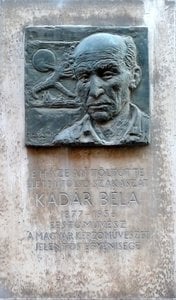
Mađarski glas avangarde: Život i umetnost Bela Kadara
Rođen u radničkoj jevrejskoj porodici u Budimpešti 1877. godine, put Bela Kadara do postajanja ključne figure avangardne umetnosti početka 20ष्ट्र века bio je iskovan kroz nedaće, ali i kroz nepokolebljivu posvećenost umetničkom istraživanju. Njegovo formalno obrazovanje bilo je ograničeno na samo šest godina, ali se činilo da ga upravo taj nedostatak tradicionalnog školovanja oslobodio konvencionalnih okova, omogućivši razvoj jedinstvenog, ličnog vizuelnog jezika. Kadar nije započeo svoj profesionalni život sa četkicom u ruci, već kao šegrt strugara – zanat koji je duboko uticao na njegovu umetničku senzibilitetnost, ugrađujući u njega snažno razumevanje forme, strukture i inherentne lepote koja se nalazi u industrijskim materijalima. Čak i u tim ranim godinama, njegov kreativni duh se jasno iskazivao; u početku se fokusirao na oslikavanje zidnih slika širom Budimpešte, pokazujući urođenu sklonost ka velikim vizuelnim izrazima i pripovedanju. Ovaj temeljni period postavio je osnovu za smele i dinamične kompozicije koje će kasnije definisati njegovo celokupno delo.
Pariz, Berlin i sinteza stilova
Istinski katalizator Kadarovog umetničkog razvoja stigao je sa njegovim putovanjima u Pariz i Berlin 1910. godine. Ova putovanja izložila su ga bujajućim pokretima avangarde koji su preplavljivali zapadnu Evropu, neopovratno menjajući njegov umetnički pravac. Susreo se sa radikalnim idejama grupe „Der Blaue Reiter“, fragmentiranim oblicima kubizma, dinamikom futurizma i sirovom energijom neo-primitivizma – uticajima koje nije tek slepo usvojio, već ih je sintetisao u sopstveni, prepoznatljiv vizacije jezik. Kadar nije želeo da se svrsta uz bilo koju pojedinačnu „školu“ mišljenja; umesto toga, upustio se u neprekidno istraživanje forme, boje i kompozicije, vođen nezasitom žudnjom da se oslobodi ograničenja tradicionalne reprezentativne umetnosti. Upio je elemente konstruktivizma, pa čak i sanjidlene kvalitete metafizičkog slikarstva, prepletajući ih u složeni tapiser koji je odražavao njegov jedinstveni pogled na svet. Ovaj period označio je ključnu prekretnicu, transformišući ga iz obećavajućeg muraliste u istinski inovativnog umetnika na pragu međunarodnog priznanja.
Priznanje i međunarodna ekspozicija
Kadarov trenutak proboja stigao je u oktobru 1923. godine na izložbi u prestižnoj galeriji „Der Sturm“ Hervarta Valdena u Berlinu. Ova prezentacija predstavila je njegov rad u izrazito ekspresionističkom stilu, odmah privlačeći pažnju i utvrđujući ga kao silu kojom se treba računati na evropskoj umetničkoj sceni. Galerija, poznata po zastupanju radikalnih novih umetničkog glasova, pružila je Kaderu idealnu platformu za povezivanje sa kolekcionarima i umetnicima koji su delili njegovu posvećenost eksperimentu. Njegov međunarodni profil dodatno su učinile dve izložbe koje je organizovala Ketrin Drejer u Umjetničkom muzeju u Bruklinu, u New Yorku, 1926. i 1928. godine. Značajno je to što je Kadar prisustvovao drugoj izložbi, čime je učvrstio svoje prisustvo na američkom umetničkom pejzažu i negovao dragocene veze unutar bujajućeg modernističkog pokreta preko Atlantika. Njegova dela u ovom periodu često su prikazivala scene iz mađarskog folklora, intimne portrete i delove seoskog života – teme prikazane smelom paletom boja i dinamičnim kompozicijama koje su dočaravale i duh njegove domovine i energiju modernog doba.
Nasleđe smele inovacije
Umetnički stil Bela Kadara odmah je prepoznatljiv po živopisnom i ekspresivnom korišćenju boje, često primenjujući nenaturalističke nijanse kako bi preneo emociju i atmosferu. Njegove kompozicije karakteriše opipljiv osećaj pokreta i energije, postignut kroz igru linija, oblika i formi koje kao da vibriraju na platnu. Često je koristio tehniku impasta – nanošenje debelih slojeva boje – stvarajući teksturalne površine koje pojačavaju vizuelni uticaj njegovog rada i pozivaju na taktilno istraživanje. Ali ono što Kadara zaista izdvaja je njegova izuzetna sposobnost da ove raznolike umetničke uticaje sjedini u kohezivan i originalan stil. On predstavlja ključnu kariku između mađarske avangarde i širih evropskih pokreta svog vremena, odražavajući društvene i političke previranja početka 20. veka kroz svoju umetnost. Iako tokom života nije uvek bio široko slavljen kao neki od njegovih savremenika, Kadarovo delo je doživelo preporod poslednjih decenija, dok naučnici sve više priznaju njegov značajan doprinos modernoj umetnosti. Preminuo je u Budimpešti 1956. godine, ostavljajući za sobom nasleđe smele i inovativne slikarstva koja i danas inspirišu umetnike i očaravaju publiku – svedočanstvo o trajnoj moći umetnika koji se usudio da zacrta sopstveni put.
Ključne karakteristike Kadarovog dela
- Smeća paleta boja: Kadar je bio poznat po svom živopisnom i ekspresivnom korišćenju boje, često koristeći nenaturalističke nijanse za prenošenje emocija i atmosfere.
- Dinamična kompozicija: Njegove kompozicije karakteriše osećaj pokreta i energije, postignut kroz interakciju linija, oblika i formi.
- Tehnika impasta: Često je koristio debele slojeve boje (impasto) kako bi stvorio teksturalne površine i pojačao vizuelni efekat svog rada.
- Jedinstvena sinteza: Kadarova sposobnost da sintetiše različite umetničke uticaje u kohezivan i originalan stil izdvaja ga kao značajnu figuru umetnosti početka 20. veka.
- Teme i subiecti: Njegova dela često prikazuju scene iz folklora, seoskog života i intimne portrete, izvedene u smelim bojama i dinamičnim kompozicijama. Takođe je istraživao apstraktne teme i eksperimentisao sa fragmentiranim oblicima.



 Pregledaj u prostoru
 Pređi na prodaju štampanih primeraka
 Podeli
 Podeli
 Detalji
 Vodič
Vodič

 Preuzmi sliku
 Slični predmeti
 Rendgenski snimak
 Automatska prezentacija
 Statistika
 Pročitaj više