


Nabavite datoteku spremnu za štampu koja nudi znatno veći kvalitet od onlajn pregleda. Svaka digitalna slika koju nudimo potiče iz visokorezolucičnog master fajla iz naše baze — obično širine od 5.000 do 15.000 piksela — što vam omogućava štampu u velikom formatu, precizno kadriranje ili bezbrižnu reprodukciju najfinijih detalja.
Nijedan fajl ne napušta naš studio netaknut. Digitalni stručnjak vrši proveru boja u odnosu na originalno delo i koriguje ih po potrebi, a zatim unapređuje jasnoću i detalje pomoću profesionalnih alata za retuširanje — uvek ostajući veran umetnikovim potezima četkice i stilu. Rezultat je slika koja izgleda kao pravo delo, a ne kao sken sa filterom.
Proverite i odobrite pre završetka: naš stručnjak vam šalje sliku putem e-pošte u roku od 72 sata na pregled. Niste zadovoljni? Zatražite poboljšanja ili ispravke, ili tražite povraćaj novca ukoliko kvalitet ne ispunjava vaša očekivanja.
Ovo je kvalitet kojem poverenje ukazuju izdavači, dizajnerski studiji, galerije i štamparije.
Preuzmite datoteku visoke rezolucije za ličnu upotrebu, štampanje i kreativne projekte. ( Pređi na štampu Kupite ručno oslikano delo)
Kada odaberete WahooArt.com, ne dobijate samo sliku – vi primate profesionalno unapređeno digitalno umetničko delo, izrađeno sa najvećom preciznošću i uz garanciju zadovoljstva. Evo svega što automatski dolazi uz vašu porudžbinu:
Vaša digitalna slika visoke rezolucije biće vam poslata putem e-pošte u roku od 72 sata od poručivanja – spremna za trenutnu upotrebu.
Vaše umetničko delo je profesionalno optimizovano primenom naprednih AI alata i ručne obrade, čime se osiguravaju maksimalni detalji, oštrina i preciznost boja.
Slučajno ste obrisali ili izgubili svoju datoteku? Ne brinite – poslaćemo vam je ponovo u bilo kom trenutku, potpuno besplatno.
Uživajte u svojim umetničkim delima trenutno, bez carine, akciza ili troškova dostave – digitalni download je uvek bez poreza.
Uz pomoć profesionalnih alata i upravljanja bojama, osiguravamo da vaša digitalna slika što vernije odražava originalne boje.
Ako niste zadovoljni svojom digitalnom slikom, izvršićemo reviziju ili ćemo vam vratiti 100% novca u roku od 100 dana – bez ikakvih pitanja.
Niste zadovoljni? Dobijte puni povraćaj novca u roku od 100 dana od prijema digitalne datoteke – bez suvišnih pitanja.
Kupite 3 slike, uštedite 10% - Kupite 5 slika, uštedite 15% - Kupite 10+ slika, uštedite 20%. Odlično za kreativne projekte, galerije i agencije.
In the quiet corners of the Fitzwilliam Museum, there exists a window into a lost era—a watercolor titled Classical Landscape with Ruins by the Dutch master Bartholomeus Breenbergh. Created around 1629, this delicate work is far more than a mere topographical record; it is a profound meditation on the passage of time and the inevitable triumph of nature over human ambition. As one gazes upon the crumbling stone structures in the foreground, there is an immediate sense of the sublime—that intoxicating mixture of awe and terror that comes from witnessing the slow, relentless decay of once-great civilizations. Breenbergh captures a moment where the grandeur of Rome meets the quiet persistence of the earth, inviting the viewer to contemplate their own place within the vast, cyclical rhythm of history.
The composition is masterfully orchestrated to lead the eye through a narrative of light and shadow. In the foreground, the skeletal remains of classical architecture serve as a poignant memento mori, while life continues in its humble, unbothered forms around them. Two figures wander near the ruins, perhaps travelers or shepherds lost in thought, their small scale emphasizing the monumental weight of the past. Scattered throughout this pastoral scene are the gentle rhythms of rural life: cows and sheep graze peacefully, a horse rests in the mid-ground, and a solitary bird drifts through the sky. Even the presence of a tranquil body of water near the right edge of the frame adds a layer of reflective stillness, mirroring the contemplative mood that permeates the entire landscape.
Technically, Breenbergh departs from the rigid, microscopic realism often associated with his Dutch contemporaries. Instead, he embraces an Italianate sensibility, characterized by a soft, atmospheric perspective that breathes life into the paper. His brushwork is loose and expressive, eschewing sharp outlines in favor of luminous transitions. Light is the true protagonist of this piece; shafts of sunlight pierce through the architectural debris, illuminating patches of verdant foliage and casting long, dramatic shadows that stretch across the terrain. This manipulation of light creates a sense of depth and drama, pulling the viewer into a world where the air feels heavy with humidity and history.
The color palette is a sophisticated study in muted elegance. Dominated by earthy browns, deep ochres, and mossy greens, the painting evokes the feeling of an ancient, sun-drenched landscape. Yet, Breenbergh punctuates these somber tones with subtle splashes of crimson and gold, reminiscent of the dramatic chiaroscuro found in the works of Caravaggio. For the discerning collector or interior designer, this piece offers a remarkable versatility. Its tonal depth and classical subject matter allow it to serve as a sophisticated focal point in a traditional study, a serene anchor in a contemporary minimalist space, or a soulful addition to a gallery wall dedicated to the Golden Age of painting.
To possess a reproduction of this work is to bring a piece of the 17th-century soul into the modern home. Breenbergh’s ability to weave together the architectural ghosts of antiquity with the living, breathing pulse of nature creates an emotional resonance that transcends centuries. The painting does not merely depict a scene; it evokes a feeling of nostalgia for a greatness we can no longer touch, yet still deeply admire. It is an invitation to slow down, to observe the play of light upon stone, and to find beauty in the ephemeral. Whether you are drawn to its historical significance, its masterful use of atmospheric perspective, or its quiet, melancholic grace, this artwork remains a timeless testament to the enduring power of the classical spirit.
„Classical Landscape with Ruins”, autor Bartolomeus Brenberg koristi Neutrals paletu, pri čemu je Phthalo Green (#2a1708) dominantna boja.
„Classical Landscape with Ruins”, autor Bartolomeus Brenberg koristi Neutrals paletu boja. Ova paleta sažima opšti koloristički karakter dela.
Među upečatljivim temama umetnika Bartolomeus Brenberg – italianate style, baroque legacy, religious faith, moral reflection, roman decay, pastoral vision, landscape narrative, dramatic flair – delo "Classical Landscape with Ruins" donosi sopstveni fokus na landscape, ruins, classical art, religious scene, roman influence, dutch golden age, pastoral imagery, biblical narrative.

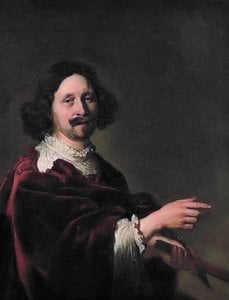
1598 - 1657 , Holandija
 Pregledaj u prostoru
 Pošalji
 Podeli
 Detalji o delu
 Vodič
Vodič

 Preuzmi
 Slični predmeti
 Rendgenski snimak
 Automatska prezentacija
 Pitanja i odgovori
 Statistika


 Pročitaj više


