


Umetničko delo prikazano na ovoj stranici zaštićeno je autorskim pravima, što znači da zakonski nismo u mogućnosti da kreiramo niti prodajemo identičnu reprodukciju. Ova zaštita se sprovodi u skladu sa međunarodnim sporazumima kao što su Bernska konvencija i nacionalnim zakonima, uključujući i one koji su definisani u Američki zakon o autorskom pravu – Naslov 17.
Ovaj metod je u potpunosti usklađen sa regulativama o autorskim pravima jer ne podrazumeva kopiranje ili dupliranje zaštićenih umetničkih dela. Umesto toga, reč je o kreativnoj reinterpretaciji – novom slikarskom delu koje je inspirisano originalom, ali nije identično njemu.
Giclée štampa ili print na platnu muzejskog kvaliteta uz brzu izradu i raznovrsne opcije završne obrade. ( Kupite ručno oslikano delo Pređi na digitalnu sliku)





























Izaberite jednu od naših unapred definisanih veličina koje odgovaraju originalnim proporcijama umetničkog dela.

Unesite željenu širinu i visinu kako bi se štampa uklopila u vaš ram ili zid. Štampu je moguće samo iseći, ali nikada povećati iznad dimenzija originalne slike, stoga format sa drugačijim proporcijama uzrokuje gubitak dela slike. Pre početka štampe, poslaćemo vam digitalni prikaz radi potvrde. Slika prikazana na ovoj stranici ne predstavlja stvarni isrez — to pokazuje samo digitalni prikaz.
Dostava širom sveta () za 2 nedelje umesto uobičajenih 4/5 nedelja. (10 новембар)
Olives in Spain
Dimenzije reprodukcije
Augustus Edwin John’s “Olives in Spain,” painted in 1922, isn't merely a landscape; it’s a distillation of memory and feeling, a poignant evocation of the artist’s profound connection to Provence. This captivating work, rendered in oil on canvas measuring 33 x 41 cm, transports us to a sun-drenched hillside bathed in the golden light of southern France – a place that held an almost mythical significance for John throughout his life.
The scene unfolds with remarkable simplicity and depth. A modest olive grove dominates the composition, its gnarled trees clustered together against a backdrop of rolling hills and distant mountains. The palette is deliberately restrained, dominated by earthy greens, ochres, and muted blues – colors that speak to the region’s geological character and the fading light of dusk. John masterfully employs broken brushstrokes and subtle variations in tone to create an atmosphere of hazy warmth and quiet contemplation. Notice how he doesn't attempt to capture every detail; instead, he focuses on conveying a sense of mood and atmosphere, prioritizing feeling over precise representation.
Augustus Edwin John was a figure of considerable eccentricity and artistic restlessness, a quintessential “Bohemian.” Born in Wales but deeply rooted in the Parisian art scene, he spent decades flitting between London, Paris, and Provence. This period in Provence – from 1910 to 1928 – proved particularly transformative for him. He established an artist’s colony at Alderney Manor, a rambling estate near Martigues, where he gathered a circle of fellow artists, including his brother Gwen John. The landscape itself became a constant source of inspiration, and “Olives in Spain” is arguably one of the most evocative expressions of this enduring fascination.
The painting’s creation coincided with a time of personal reflection for John. Following a serious diving accident that left him partially blinded, he sought solace and renewal in the Provençal countryside. It was here, amidst the olive groves and vineyards, that he rediscovered his artistic voice and found a sense of peace. The work reflects this journey – a yearning for simplicity, beauty, and connection to nature after a period of personal turmoil.
Beyond its purely visual appeal, “Olives in Spain” is rich in symbolic meaning. Olives themselves have long been associated with peace, prosperity, and longevity – qualities that John clearly sought to capture in this painting. The muted colors contribute to a sense of melancholy and nostalgia, hinting at the passage of time and the bittersweet beauty of memory. The solitary figure of a bird perched on a rock in the foreground adds an element of quiet observation, suggesting a moment of contemplation within the vastness of the landscape.
John’s distinctive style—characterized by loose brushwork, flattened perspective, and a focus on capturing fleeting moments of light and atmosphere—is fully evident here. He wasn't interested in creating a photographic likeness; instead, he aimed to translate his emotional experience onto the canvas. “Olives in Spain” is not just a depiction of a landscape; it’s an intimate portrait of a man grappling with his own identity and seeking solace in the beauty of the natural world.
Reproductions of “Olives in Spain” offer a remarkable opportunity to bring this evocative artwork into your home. The painting’s serene composition and rich color palette make it an ideal addition to any living room, bedroom, or study – spaces where you can relax, reflect, and connect with the beauty of nature. Its timeless appeal ensures that it will remain a cherished piece for generations to come.
„Olives in Spain“ odiše Calm atmosferom.
„Olives in Spain”, autor Ogast Edvin Džon se klasifikuje kao Recognized i pripada pokretu Post-Impressionism.
Boje dela „Olives in Spain”, autor Ogast Edvin Džon odražavaju Unified Palette harmoniju. Harmonija opisuje međusobni odnos boja.

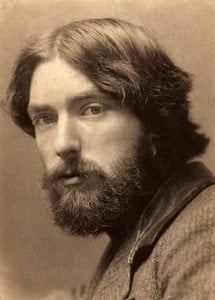
1878 - 1961 , Сједињене Америчке Државе

Explore the rich history of landscape art with WahooArt. Discover renowned artists, movements like Impressionism & Romanticism, and expert guidance for collecting timeless pieces. Find your perfect serene escape today!

Otkrijte 10 remek-dela romantičnog pejzažnog slikarstva! Uronite u svet Claude Lorraina, Caspara David Friedricha i Turnera. Ispričane priče umetnosti, inspiracija za dekoraciju doma. Kvalitetne reprodukcije na WahooArt.com – istražite celu kolekciju online!
Uronite u svet Džona Singera Sargenta! Otkrijte 25 remek-dela impresionizma i realizma, od portreta Madame X do fascinantnih akvarela. Inspiracija za dekoraciju enterijera & luksuzne reprodukcije slika na WahooArt.com.

Explore the rich history of landscape art with WahooArt. Discover renowned artists, movements like Impressionism & tonalism, and expert guidance for collecting timeless pieces. Find your perfect serene escape today!

Uronite u svet Džona Konstebla! Otkrijte 25 remek-dela engleskog pejzaža, romantizma i seoske idile. Kupite reprodukcije slika vrhunskog kvaliteta za dekoraciju enterijera na WahooArt.com.
 Pregledaj u prostoru
 Pošalji
 Podeli
 Detalji o delu
 Vodič
Vodič

 Preuzmi
 Slični predmeti
 Rendgenski snimak
 Automatska prezentacija
 Pitanja i odgovori
 Statistika


 Pročitaj više









 Opcija sa staklom dostupna je samo za dimenzije manje od 110 cm


