x
Pregledaj u prostoruPregledaj u prostoru AR pregledAR pregled Kupi print Kupi printKupi digitalnu sliku Kupi digitalnu sliku PošaljiPošalji
Detalji o deluDetalji o delu Dodaj u omiljene Dodaj u omiljene ПреузмиПреузми Slični predmetiSlični predmeti Rendgenski snimakRendgenski snimak SlajdoviSlajdovi

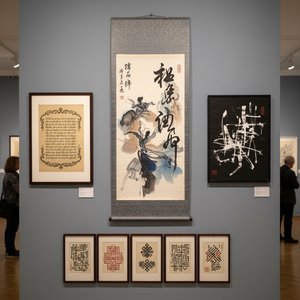
Untitled (DD2DKZ)

Exquisite Japanese calligraphy by Ashikaga Yoshimitsu – a rare aged paper piece showcasing traditional brushwork & historical significance. Discover this unique art.

Ashikaga Yoshimitsu (1358-1408): 3rd Ashikaga Shogun, patron of Zen Buddhism & art. Unified Japan, fostered Sino-Japanese trade. Explore his legacy!

Ručno rađena uljana reprodukcija

Ručno oslikano uljanim bojama na platnu u dimenzijama i okviru po vašem izboru, izrađeno po porudžbini od strane naših umetnika. (Kupi print Kupi printKupi digitalnu sliku Kupi digitalnu sliku)

Standard
custom
CM
INCH

Izaberite jednu od naših unapred definisanih veličina koje odgovaraju originalnim proporcijama umetničkog dela.

širina
visina

Можете унети сопствене димензије како бисте прилагодили дело одређеном оквиру или простору. Ако одабрана величина не одговара пропорцијама оригинала, слика ће бити исечена или проширена додатним елементима који се ручно насликавају. Дигитални prikaz ће вам бити послат на одобрење пре почетка производње.
Имајте на уму да преглед на екрану не одражава стварно исецање или проширење. Само приказ (mockup) ће тачно приказати коначну композицију.
Иако су доступне прилагођене величине, препоручујемо да одаберете димензију из дефинисане листе како бисте сачували оригиналне пропорције.

Primeri onoga što se može promeniti: Zamena lica fotografijom kupca; Dodavanje ljubimca (npr. zamena mačke psom); Uključivanje skrivene poruke u pozadini; Promena pejzaža ili elemenata pozadine.
Nakon narudžbine, tim WahooArt.com će klijentu putem e-pošte poslati uputstva i dostaviti prikaz predloženog rešenja

Isporuka širom sveta () za 3/4 nedelje umesto uobičajenih 5 nedelja. (26 август). Bez kompromisa po pitanju kvaliteta.

why_choose_icon
Besplatna ekspresna dostava širom sveta
why_choose_icon
Visokokvalitetno laneno platno
why_choose_icon
Kompletno osiguranje transporta
why_choose_icon
Garancija povraćaja carine i uvoznih dažbina
why_choose_icon
Garancija vernosti boja
why_choose_icon
Politika povrata u roku od 60 dana (samo u slučaju nedostataka)
why_choose_icon
Garancija povrata novca od 100%
why_choose_icon
Popust pri grupnoj kupovini

Ukupna cena

$ 272

reproduction

Untitled (DD2DKZ)

Tehnika reprodukcije

Dimenzije reprodukcije

-

Konačna cena

$ 272


Biografija umetnika

Ashikaga Yoshimitsu: A Life of Power and Patronage

Early Life and Ascension

  • Ashikaga Yoshimitsu (September 25, 1358 – May 31, 1408) was the third shōgun of the Ashikaga shogunate, ruling Japan during the Muromachi period.
  • Born in Kyoto as Haruō, he was the oldest surviving son of Ashikaga Yoshiakira.
  • He ascended to the position of shōgun at the young age of ten in 1368, inheriting a hereditary title that commanded the military estate.
  • By twenty, Yoshimitsu had gained prominence within the imperial court, serving as acting grand counselor (gon dainagon).

Political and Institutional Reforms

  • In 1379, Yoshimitsu initiated a significant reorganization of the *gozan zen* (Five Mountain Zen) establishment, solidifying its institutional framework.
  • He broke precedent in 1381 by becoming the first member of the samurai class to host a reigning emperor at his private residence – a demonstration of growing shogunal power.
  • A pivotal achievement was his successful negotiation in 1392, bringing an end to the Nanboku-chō imperial schism that had divided Japan for over half a century.
  • Further elevating his status, he became grand chancellor of state (daijō daijin) in 1394, the highest rank within the imperial court.

Retirement and Cultural Flourishing

  • Yoshimitsu retired from public office in 1395, taking religious vows and retreating to his lavish retirement villa, Kitayama-dono.
  • Kitayama-dono was renowned for its opulence, most notably the Kinkaku Shariden (Golden Pavilion), two-thirds covered in gold leaf – a symbol of Yoshimitsu’s wealth and power.
  • During his retirement, he received envoys from both the Ming and Joseon courts on at least six occasions, establishing crucial trade relations with China that lasted over a century.

Diplomacy and Recognition

  • Yoshimitsu skillfully navigated diplomatic complexities, often employing displays of subservience to secure favorable terms from the Ming dynasty.
  • In recognition of his efforts, the Chinese sovereign bestowed upon him the title “King of Japan” (Nihon Kokuō).
  • In 1407, he ambitiously attempted to assume the title *daijō tenno* – a designation typically reserved for retired emperors. Though unrealized due to his death, this move underscored his desire for ultimate authority.

Artistic and Religious Legacy

  • Late in his career, Yoshimitsu increasingly sought to legitimize his power through the lens of Buddhist kingship.
  • He employed elaborate rituals, symbolic imagery, and monumental architecture – like Kitayama-dono – to portray himself as a universal monarch or *dharma king*, mirroring rulers in Southeast Asia.
  • His posthumous name was Rokuon'in (鹿苑院), further cementing his place in Japanese history.

Historical Significance

  • Yoshimitsu’s reign marked a golden age for Zen Buddhism, art, and architecture during the Muromachi period.
  • His diplomatic achievements fostered cultural exchange and economic prosperity.
  • He is remembered as a complex figure – a powerful shogun who skillfully balanced political ambition with artistic patronage and religious devotion.
  • His legacy continues to influence Japanese culture and aesthetics today.
Ashikaga Yoshimitsu

Ashikaga Yoshimitsu

1358 - 1408 , Japan

Osnovne informacije

  • Birth Date: September 25, 1358
  • Birth Place: Kyoto, Japan
  • Death Date: May 31, 1408
  • Movement: Muromachi period art & architecture
  • Name: Ashikaga Yoshimitsu
  • Nationality: Japanese
  • Notable Works: Kitayama-dono villa (Kinkaku-ji)