The Visionary Architect of Aesthetic Elegance
Arthur Lasenby Liberty was far more than a mere merchant; he was a cultural conductor who orchestrated a revolution in the visual language of the late Victorian era. Born in 1843 in the quiet town of Chesham, Buckinghamshire, his origins were rooted in the tactile world of textiles, being the son of a draper. This early immersion in the textures of lace and fabric provided the foundational sensory vocabulary that would later define his commercial and artistic legacy. Before he became a titan of London retail, Liberty’s spirit was that of an artist, possessing a keen eye for the delicate interplay of color and form. His journey from an apprentice in the drapery trade to the founder of one of the world's most iconic institutions is a testament to a man who saw beauty not just as a luxury, but as a transformative force capable of reshaping domestic life.
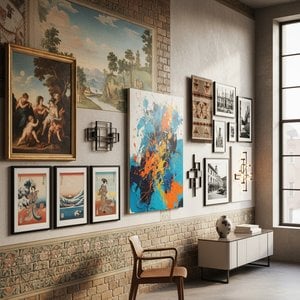
The establishment of Liberty & Co. in 1875 marked the beginning of an era where commerce and fine art became inextricably linked. Moving beyond the rigid, often somber aesthetics of mid-Victorian decor, Liberty introduced a sense of wanderlust and exoticism to the British home. Inspired by the intricate craftsmanship of Japan and the Far East, he curated a collection that brought the delicate motifs of Eastern art to the West. This infusion of foreign influence was not merely decorative; it was an intellectual movement that challenged the prevailing Western obsession with formal restraint. Through his store, Liberty became a gateway for the Aesthetic Movement, offering silks, satins, and wallpapers that breathed life into interiors through organic, flowing lines and a palette inspired by the natural world.
The Birth of Stile Liberty and Art Nouveau
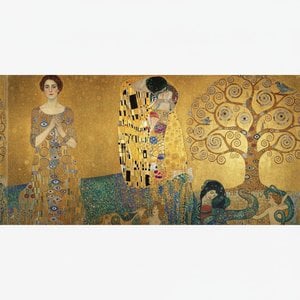
As the nineteenth century drew to a close, Liberty’s influence expanded from the shelves of his Regent Street shop into the very fabric of European design. He possessed an uncanny ability to identify and nurture talent, fostering deep connections with the luminaries of the Arts and Crafts and Art Nouveau movements. By collaborating with legendary designers such as William Morris and Edward Burne-Jones, he ensured that his brand was synonymous with the highest caliber of artistic integrity. The resulting "Liberty style" became a global phenomenon, characterized by its signature floral prints, stylized insects, and sinuous, rhythmic patterns that seemed to pulse with biological vitality.
The impact of his work was so profound that it transcended linguistic boundaries, most notably in Italy, where the Art Nouveau movement was affectionately termed Stile Liberty. This nomenclature serves as a permanent tribute to his role in popularizing an aesthetic that celebrated the organic over the industrial. His designs were not merely patterns on cloth; they were symbols of a new modernity—one that sought harmony between human creation and the wild, untamed beauty of nature. The iconic fabrics produced under his guidance became essential components of a lifestyle that valued craftsmanship, whim, and a certain bohemian elegance.
A Lasting Legacy of Beauty and Innovation
The physical manifestation of Liberty’s ambition can be seen in the magnificent, mock-Tudor edifice of the Liberty London store on Great Marlborough Street. Though completed after his death, the building’s intricate, interconnected rooms and grand atriums reflect his philosophy of creating an immersive, experiential environment—a place where shopping felt like wandering through a private, elegant estate. His life's work successfully bridged the gap between the elite world of fine art and the burgeoning middle-class desire for beautiful, accessible objects.
Today, the name Liberty remains a hallmark of luxury and timeless design. The historical significance of Arthur Lasenby Liberty lies in his ability to have democratized beauty, turning the domestic sphere into a canvas for artistic expression. His achievements can be summarized through several enduring contributions:
- Pioneering Globalism: He was instrumental in introducing Japanese and Far Eastern aesthetics to the Western world, fundamentally altering European decorative tastes.
- Design Collaboration: By acting as a patron to the era's greatest designers, he helped solidify the transition from Victorian formality to Art Nouveau fluidity.
- Textile Innovation: The creation of iconic floral prints and high-quality fabrics established a standard of excellence that continues to influence fashion and interior design centuries later.
- Cultural Identity: He created a brand so potent that it gave its name to an entire international design movement, Stile Liberty.
Arthur Lasenby Liberty’s journey from a draper's son in Buckinghamshire to the architect of a global aesthetic remains one of the most influential narratives in the history of decorative arts. He did not just sell goods; he sold a vision of a more beautiful, more imaginative world.



 Pregledaj u prostoru
 Kupi ručno naslikanu sliku
 Pošalji
 Podeli
 Detalji o delu

 Преузми
 Slični predmeti
 Rendgenski snimak
 Slajdovi
 Statistika

 Pročitaj više






































 Opcija sa staklom dostupna je samo za dimenzije manje od 110 cm