


Giclée štampa ili print na platnu muzejskog kvaliteta uz brzu izradu i raznovrsne opcije završne obrade. ( Kupite ručno oslikano delo Pređi na digitalnu sliku)





























Izaberite jednu od naših unapred definisanih veličina koje odgovaraju originalnim proporcijama umetničkog dela.

Unesite željenu širinu i visinu kako bi se štampa uklopila u vaš ram ili zid. Štampu je moguće samo iseći, ali nikada povećati iznad dimenzija originalne slike, stoga format sa drugačijim proporcijama uzrokuje gubitak dela slike. Pre početka štampe, poslaćemo vam digitalni prikaz radi potvrde. Slika prikazana na ovoj stranici ne predstavlja stvarni isrez — to pokazuje samo digitalni prikaz.
Dostava širom sveta () za 2 nedelje umesto uobičajenih 4/5 nedelja. (15 новембар)
Bašeba
Dimenzije reprodukcije
Scena prikazuje Hetku Bašebu dok joj služe devojke. U gornjem levom uglu, kralj David posmatra sa svog palatinskog balkona, slučajno primećujući je tokom kupanja. Ovaj precizan trenutak otkrića pokreće biblijsku naraciju o žudnji i posledicama. Kompozicija se oslanja na slojeviti raspored figura kako bi stvorila dubinu, vodeći oko od centralne grupe ka povučenoj klasičnoj arhitekturi i bujnom pejzažu u pozadini.
Osvetljenje je teatralno, vođeno snažnim izvorom iz gornjeg levog ugla. Ova svetlost osvetljava kožu centralne figure i belu draperiju, dok istovremeno baca duboke senke koje definišu zapreminu tela. Takva upotreba čiaroskura (chiaroscuro) stvara osećaj fizičke težine i psihološkog prisustva unutar ambijenta na otvorenom.
Izvedeno u ulju na platnu, ovo delo demonstrira majstorstvo u prikazivanju teksture i svetlosti. Umetnica sa taktilnim realizmom dočarava sjaj metalnih posuda, mekoću kože i teške naborove tkanine. Scenu dominira paleta duboke oker boje, purpura i tamno braon tonova, koju prekida samo upečatljiva plava boja odeće služavki.
Stil odražava prelazak ka bolonjskoj klasicističkoj školi, udaljavajući se od ranijih, agresivnijih karavadžoističkih senki. Dok je arhitekturu u gornjem levom uglu doprinosio Vivijano Kodici, a pejzaž Domeniko Đargiulo, centralni fokus ostaje na smirenom držanju Bašebe. Fluidne, organske linije ljudskih formi kontrastiraju sa stabilnim vertikalnim i horizontalnim elementima pozadinskih struktura.
Naslikano oko 1636–1637. godine, ovo delo pripada periodu kada je umetnica živela u Napulju. Ovo je jedna od sedam poznatih verzija ove specifične priče koju je stvorila umetnica. Slika je dva puta podvrgnuta restauraciji, konkretno 1979. i 1996. godine, kako bi se popravile oštećenja na platnu.
Tema je preuzeta iz Druge knjige Samuelove, koja prepričava susret između Davida i Bašebe. Kroz raspored više figura na različitim ravni, delo postiže sofisticiranu konstrukciju koja balansira kućni ritual sa napetošću osećaja da vas neko posmatra.
U katalogu je delo „Bašeba”, autor Артемизија Ђентилески klasifikovano kao Zidna umetnost. Ova kategorija pomaže u pronalaženju sličnih radova.
Ne – umetničko delo se nalazi u inostranstvu. Rodna zemlja umetnika Артемизија Ђентилески je Италија, dok se muzej u kojem se čuva original dela „Bašeba” nalazi u državi United States of America.
„Bašeba”, autor Артемизија Ђентилески pripada pravcu Barokni povratak, unutar perioda Rani modernizam. Zajedno, oni delu daju njegovo mesto u istoriji umetnosti.

Artemisia Gentileschi’s name echoes through the halls of art history, resonating not simply as that of a painter, but as an emblem of resilience, defiance, and extraordinary artistic talent in a world determined to silence female voices. Born in Rome in 1593, she entered a milieu steeped in artistry—her father, Orazio Gentileschi, was a respected painter deeply influenced by the revolutionary realism of Caravaggio. From her earliest years, Artemisia’s gift was undeniable, nurtured within her father's workshop where she absorbed techniques of composition and the dramatic use of light and shadow that would become hallmarks of her distinctive style. This formative training wasn’t merely about mastering brushstrokes; it was an immersion into a world of artistic ambition, one typically closed to women.
Gentileschi's artistic development was profoundly shaped by Caravaggio’s tenebrism—the stark contrast between light and darkness that imbued his paintings with an intense emotionality. Yet, she didn’t simply mimic her father or Caravaggio; she forged her own unique voice, characterized by a raw psychological depth and a compelling focus on female subjects often depicted with unprecedented agency and strength. Even in her early works, like *Susanna and the Elders* (1610), a biblical scene depicting Susanna being spied upon by two lecherous old men, Artemisia’s interpretation diverges from traditional portrayals. Here, Susanna isn't passively vulnerable; she displays a quiet dignity and resistance, foreshadowing the powerful female figures that would dominate her later oeuvre. But it is *Judith Slaying Holofernes* (existing in multiple versions between 1614-1620) that cemented her reputation as a master of dramatic narrative and psychological realism. The painting isn’t merely a depiction of violence; it's an exploration of courage, determination, and the righteous fury of a woman defending her people. The visceral intensity, the unflinching portrayal of the act itself, shocked and captivated audiences then—and continues to do so today. Other notable works like *Judith and Her Maidservant* (1625) and *Danaë* (c. 1636-1639) further demonstrate her evolving style, showcasing both vulnerability and power in her female protagonists. Her ability to render flesh with such realism, combined with a masterful use of chiaroscuro, created scenes that were both terrifying and deeply moving.
Artemisia’s life was irrevocably altered by a horrific event: her rape at the hands of Agostino Tassi, a fellow painter and colleague of her father. The ensuing trial (1611-1612) became a public spectacle, subjecting Artemisia to grueling questioning and societal scrutiny. While she bravely testified against Tassi, the proceedings were marred by bias and attempts to discredit her character. This trauma profoundly impacted her life and art, imbuing her work with an emotional intensity that some scholars believe is directly linked to her personal experiences. The trial itself became a symbol of the challenges faced by women seeking justice in a patriarchal society. Despite this ordeal, Artemisia refused to be defined by it. She continued to paint, moving between Rome, Florence, and Naples, establishing herself as a successful artist in her own right. In 1616, she achieved another milestone: becoming the first woman admitted to the Accademia di Arte del Disegno in Florence—a testament to her talent and perseverance.
Artemisia Gentileschi’s career spanned decades, marked by both artistic innovation and personal resilience. She worked for prominent patrons, including the Medici family, and established a thriving workshop, proving that women could not only excel as artists but also succeed in a traditionally male-dominated profession. For centuries, her work was often overshadowed by the circumstances of her life, viewed through the lens of scandal rather than artistic merit. However, beginning in the 20th century, there has been a significant reevaluation of her art, recognizing her as one of the most important and innovative painters of the Baroque period. Her paintings are now celebrated for their emotional depth, dramatic realism, and powerful depictions of women—not as passive objects but as active agents in their own narratives. Artemisia Gentileschi is more than just an artist; she’s a feminist icon, a trailblazer who defied societal expectations and left behind a legacy that continues to inspire generations. Her story serves as a potent reminder of the importance of recognizing and celebrating the contributions of women throughout history—and of ensuring that their voices are never silenced again. She painted not just with her hands, but with her soul, leaving an indelible mark on the world of art.

1593 - 1653 , Италија

Explore the profound drama of Baroque Realism. Discover how masters used chiaroscuro and tenebrism to command light and shadow, creating timeless emotional depth in 17th-century masterpieces.

Immerse yourself in the dramatic world of Francisco de Zurbarán. Explore 25 iconic Spanish Baroque masterpieces defined by intense tenebrism and spiritual realism. Find inspiration for museum-quality art reproductions and decor. Discover all masterpieces on WahooArt.com.

Master the drama of Baroque art through expert analysis of chiaroscuro and Rubens. Explore the power of light and motion today.
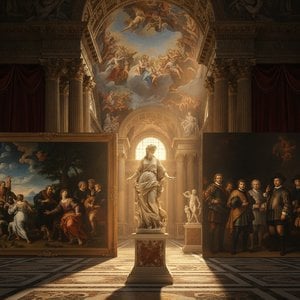
Step into the drama of the Baroque era. Explore 10 iconic masterpieces featuring breathtaking chiaroscuro and legendary artists. Find inspiration for your collection with museum-quality art reproductions at WahooArt.com. Discover all masterpieces on WahooArt.com
 Pregledaj u prostoru
 Pošalji
 Podeli
 Detalji o delu
 Vodič
Vodič

 Preuzmi
 Slični predmeti
 Rendgenski snimak
 Automatska prezentacija
 Pitanja i odgovori
 Statistika


 Pročitaj više









 Opcija sa staklom dostupna je samo za dimenzije manje od 110 cm


