Pregledaj u prostoru Isprobaj u AR-u Naručite ručno oslikano reprodukciju Pređi na prodaju digitalnih slika Podeli
Detalji Vodič Dodaj u omiljene Preuzmi sliku Slični predmeti Rendgenski snimak Automatska prezentacija Statistika

Текстоклип из фрески

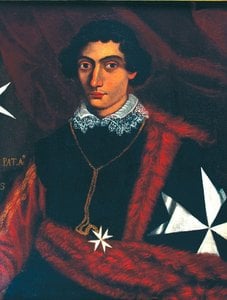
Уметничка репродукција фреске Антонија Босија из 1632. године, представља религиозну сцену у архитектурском амбијенту и карактерише се техником хатханжа и прецизним детаљима који приказују верски садржај и историјски контекст.

Discover Antonio Bosio: A visionary 16th-century painter renowned for his stunning Baroque wall paintings & religious art. Explore his legacy in Valletta & beyond.

Giclee štampa / Umetnički otisak

Giclée štampa ili print na platnu muzejskog kvaliteta uz brzu izradu i raznovrsne opcije završne obrade. ( Naručite ručno oslikano reprodukciju Pređi na prodaju digitalnih slika)

P118B $10
P118H $10
P118W $10
P438Z $10
P508JH $12
P508YH $12
P805H $10
P805Z $10
P919BZ $10
P919G $10
P919XJ $10
P959ZH $10
P968JZ $12
W106C $8
W218G $10
W218JH $8
W218Y $10
W307PJ $10
W316G $10
W316PJ $8
W316Y $10
W398PJ $8
W4111J $10
W500HY $15
W500JH $15
W692G $12
W849H $8
W940BG $15
W953PJ $8

Standardne dimenzije
po meri
CM
INCH

Izaberite jednu od naših unapred definisanih veličina koje odgovaraju originalnim proporcijama umetničkog dela.

širina
visina

Možete uneti sopstvene dimenzije kako biste umetničko delo prilagodili specifičnom okviru ili prostoru. Ako odabrani format ne odgovara proporcijama originalne slike, mi ćemo ili iscrtati deo dela ili proširiti sliku pomoću ogledane ivice ili jednobojnog popunjavanja. Digitalni prikaz će vam biti poslat na odobrenje pre početka proizvodnje.
Imajte na umu da pregled na ekranu ne odražava stvarno iscrtavanje ili proširivanje. Samo će prikaz (mockup) precizno pokazati finalnu kompoziciju.
Iako su prilagođene dimenzije dostupne, preporučujemo da odaberete dimenziju sa unapred definisane liste kako biste očuvali originalne proporcije.

Dostava širom sveta () za 2 nedelje umesto uobičajenih 4/5 nedelja. (21 септембар)

why_choose_icon
Besplatna ekspresna dostava širom sveta
why_choose_icon
Visokokvalitetno laneno platno
why_choose_icon
Sveobuhvatno osiguranje transporta
why_choose_icon
Garancija povraćaja carine i uvoznih dažbina
why_choose_icon
Garancija vernosti boja i autentičnosti pri reprodukciji
why_choose_icon
Politika povraćaja u roku od 100 dana (samo u slučaju nedostataka)
why_choose_icon
Garancija povrata 100% novca
why_choose_icon
Popust pri većoj količini

Ukupna cena

$ 68

reproduction

Текстоклип из фрески

Giclee štampa / Umetnički otisak

Veličina reprodukcije

-

Ukupna cena

$ 68

Brzi pregled

  • Artist: Antonio Bosio
  • Medium: Ink on paper
  • Movement: Early Baroque
  • Artistic style: Detailed engraving
  • Subject or theme: Religious scene
  • Location: Museu Antonio Parreiras
  • Year: 1632

Kviz o umetnosti

Svako pitanje ima samo jedan tačan odgovor.

Pitanje 1:
What is the primary artistic technique employed in this wall-painting fragment?
Pitanje 2:
Who created the artwork?
Pitanje 3:
Approximately when was this wall-painting fragment produced?
Pitanje 4:
What is the dominant element in the image's composition?
Pitanje 5:
The artwork reflects a stylistic approach characterized by:

Antonio Bosio: Светлина и Духовност у Католичким Светилиштама

У свету ренесансне слике Антонио Босио се истиче као визионар, човек који је преобразио начин приказа римских катекомба и оставио траг у историји уметности. Овој великом делу посвећено је изумитно богатство знања и техничке умелицине које су Босио и његов екипа успела да постигну, чиниво прецизније од било каквог другог представљања тог периода. Да би се ухватило суштиње Босијеве слике, потребно је погледати кроз призму ренесансне културе и духовности, као и разумети како је Босио успео да пренесе своју визију на папир уз помоћ најмоћнијих средстава уметности тог времена.
  • Историјски контекст: Катекомбе римске цркве представљају специфичну историјску сцену која је била веома важна за културу и религију средњег века. Босијева радост уметности одражава духу ренесансне епохе, где су научни познавања и стремење прецизног приказивања био главни приоритети. Катекомбе су биле место молитве и побожности, а Босио је успео да ухвати ту атмосферу у својим сликам.
  • Стилска Характеристика: Босијева слика се одликује ренесансом као стилом који је био обележје времена и познат по својому великом прециозности и детаљности. Иако је Босио био утицан класичним идеалима лепоте и пропорције, његова уметност се одликава специфичном емоционалној снагом која је била веома карактеристична за ренесансну културу.
  • Техника: Босијев метод сликарства био је изузетан прециозност и умеће које су га чиниле једним од највећих уметника свог времена. Он је користио технику хатхенца и крос-хатхенца да би постигао тонске варијације и дефинисао облике, што је био стандард ренесансне сликарства и који је био веома успешан у преносу света и осећања из природе на папир.
  • Симболизам: Босијева слика је богата симболизмом који је био веома карактеристичан за ренесансну културу. Кроз детаљне обраде и прецизни приказ елемената као што су светиња и црквена архитектура, Босио је успео да пренесе своје духовно учење и веру у божју милост и спасење.
  • Емоционални Утицај: Босијева слика има велики емоционални утицај на посматрача који је био веома карактеристичан за ренесансну културу. Она преноси осећање мира и радости, као и духу божје помоћи и спасења, што је чини једном од највећих достигнућа ренесансне уметности.
Босијева слика је веома детаљна и прецизна, а његова техничка умелицина је била изузета прециозност и умеће које су га чиниле једним од највећих уметника свог времена. Да би се постигла овај резултат, Босио је користио технику хатхенца и крос-хатхенца да би постигао тонске варијације и дефинисао облике, што је био стандард ренесансне сликарства и који је био веома успешан у преносу света и осећања из природе на папир. Ово је чинило једним од највећих достигнућа ренесансне уметности и које је оставило траг у историји уметности.

Biografija umetnika

A Life Dedicated to Unearthing the Sacred Past

Antonio Bosio, born in Valletta, Malta around 1575, was a figure whose life transcended the typical boundaries of artistic practice. While often remembered as a painter, his true legacy lies in his pioneering archaeological work—specifically, his meticulous and passionate exploration of the Roman catacombs. Bosio’s story is one of dedication, intellectual curiosity, and a profound desire to connect with the early Christian world. His family background remains somewhat shrouded in mystery; historical accounts suggest a complex lineage involving a father bound by religious vows and a mother who may have been a North African slave or servant. This personal ambiguity perhaps fueled his lifelong fascination with hidden histories and marginalized narratives.

Bosio’s journey to Rome as a child marked a turning point in his life. He quickly became integrated into the circles of the Knights of Malta, eventually serving as their agent within the city. However, it was not through diplomatic duties that he found his calling but through an insatiable thirst for knowledge about the ancient world beneath his feet. In 1593, he embarked on a systematic study of the catacombs—a network of subterranean burial places used by early Christians and Jews. This undertaking was revolutionary for its time; previous explorations had been sporadic and largely undocumented. Bosio approached the task with an almost scientific rigor, meticulously mapping tunnels, documenting frescoes, and collecting artifacts.

The Roma Sotterranea: A Monumental Publication

Bosio’s most enduring achievement is undoubtedly his *Roma Sotterranea*, a comprehensive account of his catacomb explorations. Published posthumously in 1634, the work represents a monumental effort to preserve and disseminate knowledge about early Christian art and history. The publication wasn't merely a descriptive catalog; it was an attempt to reconstruct the spiritual and cultural landscape of Rome’s earliest communities. The engravings within *Roma Sotterranea* are particularly noteworthy for their detail and accuracy, providing invaluable visual documentation of frescoes that have since deteriorated or been lost. Bosio’s line work captures not only the physical form of the paintings but also a sense of the atmosphere—the dim light, the damp stone, the weight of centuries.

The creation of *Roma Sotterranea* was a painstaking process. Bosio faced numerous challenges, including limited access to certain catacombs, the logistical difficulties of working in subterranean environments, and the lack of established archaeological techniques. He relied heavily on his own observations, supplemented by information gathered from local informants and existing historical sources. The publication’s impact was immediate and far-reaching; it became a standard reference work for scholars and artists alike, shaping perceptions of early Christian art for generations to come.

Artistic Style & Religious Context

While primarily known as an archaeologist, Bosio was also a skilled painter. His artistic style reflects the influence of the Baroque movement—characterized by dramatic compositions, rich colors, and a heightened sense of emotion. He specialized in wall paintings, often depicting religious scenes with a focus on martyrdom and divine intervention. His work can be found in various churches and chapels around Valletta, showcasing his mastery of fresco technique and his ability to convey complex theological concepts through visual imagery.

Bosio’s artistic endeavors were deeply intertwined with his archaeological pursuits. His study of early Christian art informed his own painting style, leading him to incorporate elements of ancient iconography and symbolism into his compositions. He sought to create works that not only celebrated the faith but also evoked a sense of spiritual awe and reverence. The religious context of Bosio’s life—his association with the Knights of Malta and his dedication to uncovering the sacred past—played a crucial role in shaping his artistic vision.

Legacy & Historical Significance

Antonio Bosio's contribution extends beyond the realm of art history; he is considered a foundational figure in the development of modern archaeology. His systematic approach to excavation, documentation, and publication set a new standard for archaeological research. He was among the first to recognize the importance of preserving cultural heritage and making it accessible to a wider audience.

  • Pioneering Methodology: Bosio’s meticulous mapping and documentation techniques laid the groundwork for future archaeological investigations.
  • Preservation of Early Christian Art: *Roma Sotterranea* provided invaluable visual records of frescoes that have since been lost or damaged.
  • Influence on Scholarship & Art: His work became a standard reference for scholars and artists, shaping perceptions of early Christian art for centuries.
  • Connecting Past & Present: Bosio’s dedication to uncovering the sacred past fostered a deeper understanding of Rome’s cultural heritage.

Though his life was cut short in 1629, Antonio Bosio left an indelible mark on the world. He remains a testament to the power of intellectual curiosity, unwavering dedication, and the enduring human desire to connect with the stories of those who came before us. His legacy continues to inspire archaeologists, art historians, and anyone fascinated by the mysteries of the past.

antonio bosio

antonio bosio

1575 - 1629 , Malta

Brzi pregled

  • Artistic Movement Or Style: Baroque Painting
  • Artists Or Movements Influenced By This Artist: ['Giovanni Battista de Rossi']
  • Artists Who Influenced This Artist: ['']
  • Date Of Birth: c. 1575 Malta
  • Date Of Death: 1629 Roma
  • Full Name: Antonio Bosio
  • Nationality: Maltese
  • Notable Artworks: ['Roma Sotterranea']
  • Place Of Birth: Valletta Malta
Istražite umetnička dela organizovana prema temama, stilovima i karakteristikama.