Biografija umetnika
Život oslavljen svetlošću: Svet Antona Mauvea
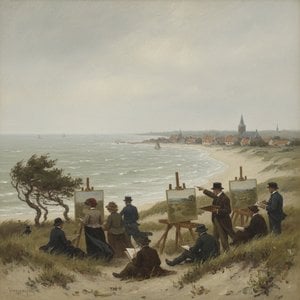
Anton Mauve, ime koje je postalo sinonim za nežnu lepotu holandskog realizma i usredprocepljujući duh impresionizma, zauzima ključnu poziciju u umetnosti devetnaestog veka. Rođen kao Anthonij Rudolf Mauve u Zandamu, u Holandiji, 1838. godine, njegov put bio je put umetničke evolucije, duboko povezane sa zemljom i njenim ljudima. Njegovo rano detinjstvo odvijalo se u kontemplativnoj atmosferi; njegov otac je služio kao menonitski kapelan, ulijevajući u njega tiho, posmatračko kvalitet koji će prožeti njegova platna. Preseljenje porodice u Haarlem omogućilo je mladom Antonu pristup formalnom umetničkom obrazovanju, prvo pod vođstvom Pietersa Frederika van Osa, a potom i Woutera Verschura, postavljajući temelje za njegovu tehničku veštinu. Ipak, upravo je njegova povezanost sa Paulom Gabriëlem u Oosterbeeku – milo poznatom kao „holandski Barbizon“ – istinski rasplamsala njegovu strast prema slikanju direktno iz prirode, krčeći put ka slobodnijem umetničkom izrazu. Ovaj period se pokazao formativnim, podstičući ga da napusti visoko završene tehnike u korist slobodnijih poteza četkicom i delikatne harmonične palete.
Hagska škola i pastoralne vizije
Do 1872. godine, Mauve se nastanio u Hagu, postajući centralna figura u usporjavajućoj Hagskoj školi slikara. Ovaj kolektiv, posvećen prikazivanju scena iz svakodnevnog života sa nepokolebljivim realizmom, pružio je plodno tlo za njegov umetnički rast. On nije bio samo učesnik; bio je od presudne važnosti za osnivanje Hollandsche Teekenmaatschappij (Holandskog društva za crtanje) 1876. godine i odigrao je vitalnu ulogu u razvoju Pulchri Studio, najuticajnijeg umetničkog društva u Hagi. Mauveova tematika se dosledno vrtela oko ljudi i životinja integrisanih u ambijent prirode – elegantni konjanici uživajući u „Jutarnjoj vožnji“, seljaci koji rade na poljima i, naročito, njegovi voljeni stada ovaca. Ove pastoralne scene nisu bile samo idilični prikazi; bile su prožete autentičnošću, uključujući čak i detalje koje su drugi umetnici često prevideli – što je svedočanstvo njegove posvećenosti realizmu, poput prisustva konjskog izmeta u prednjem planu „Jutarnje vođenje“, čime je scena prizemljena u opipljivu stvarnost. Njegovi prikazi ovaca pokazali su se izuzetno popularnim, naročito među američkim pokroviteljima, stvarajući zanimljivu razliku u vrednosti između slika koje prikazuju njihovo dolazak naspram njihovog odlaska, što možda odražava simboličku rezonancu sa temama prosperiteta i prolaznosti. On je majstorski uhvatio „srebrnu svetlost“ karakterističnu za holandski pejzaž, prožimajući svoje scene jedinstvenom atmosferskom kvalitetom.
Ruka mentora: Uticaj na Vincenta van Goga
Mauveovo nasleđe proteže se daleko izvan njegovog sopstvenog umetničkog stvaralaštva; on je poslužio kao ključni rani uticaj na Vincenta van Goga. Ta veza bila je duboko lična, proistekla iz činjenice da je Ariëtte (Jet) Sophia Jeannette Carbentus, Mauveova supruga, bila Van Gogova rođaka. Godine 1881, Van Gogh je tražio vođstvo od Mauvea, provodeći tri nedelje uronjen u njegov studio, što je označilo početak njegovog ozbiljnog istraživanja slikanja uljanim bojama pod Mauveovom podučavanjem. Mauve nije pružio samo tehničku uputstva, već i presudan uvod u svet umetnosti i njegove mogućnosti. Međutim, njihov odnos je bio složen i na kraju raskinut. Odlučujući prekid dogodio se kada je Mauve obavestio Van Goga da je njihova saradnja „završena“, navodno zbog zabrinutosti zbog Van Gogove sve intenzivnije ličnosti i njegove veze sa Clasinom Mariom Hoornik. Uprkos ovom bolnom razdvajanju, Van Gogh je nastavio da poštuje Mauvea sa visokim uvažavanjem, što je snažno izraženo kroz umetnost. Nakon Mauveove prerane smrti 188acija, Van Gogh je jednu od svojih kultnih slika – scenu sa cvatšću voćke – posvetio njegovoj memoriji, potpisavši je „Souvenir de mauve vincent & theo“, što je bilo dirljiv omaž čoveku koji ga je prvi vodio njegovim umetničkim putem. Ovaj čin naglašava duboki uticaj koji je Mauve imao na oblikovanje Van Gogovog ranog razvoja kao umetnika.
Larenska škola i trajni značaj
U poslednjim godinama svog života, Mauve je tražio utočište u mirnom seoskom predelem oko Larena, dela regije Gooi. Ova oblast je ubrzo postala poznata kao „Mauveovo zemljiste“, privlačeći zajednicu umetnika uključujući Jozefa Israëlsa i Alberta Neuhuysa, koje su kolektivno nazivali Larenskom školom. Ovde je nastavio da usavršava svoj delikatni stil, hvatajući suptilne nijanse svetlosti i atmosfere u svojim pejzažima i žanrovskim scenama. Njegova iznenadna smrt u Arnhemu 5. februara 1888. godine, u pedesetoj godini, bila je šok za umetnički svet. Mauveov doprinos holandskom realizmu je neosporan; on je oličavao principe prikazivanja života onakvim kakav jeste, sa iskrenošću i osetljivošću. Njegov uticaj se protezao izvan njegovog najbližeg kruga, utičući na umetnike poput škotskog slikara Roberta McGregora. Ali možda njegovo najtrajnije nasleđe leži u njegovoj ulozi mentora Vincentu van Gogu, demonstrirajući duboki uticaj koji jedan umetnik može imati na drugog, oblikujući ne samo individualne stilove već i samu putanju istorije umetnosti. On ostaje vitalna karika između tradicija holandskog slikarstva devetnaestog veka i revolucionarnih inovacija modernizma.
Trajno nasleđe
Danas se Mauveova dela slave zbog svoje evocirajuće lepote i tehničkog majstorstva. Slike poput „Zime u šumama Scheveningen“ (1870-1888) i „Na tresavici blizu Larena“ (1887) nastavljaju da očaravaju publiku svojom atmosferskom dubinom i dirljivim prikazima ruralnog života. Njegovi portreti, kao što je onaj Pietersa Frederika van Osa (1855), otkrivaju oštro oko za karakter i impresivno vladanje impasto tehnikom. Mauveova umetnost služi kao prozor u prošlo doba, nudeći uvid u živote i pejzaže holandske zemlje devetnaestog veka, dok istovremeno rezonuje sa vanvremenskim temama prirode, čovečanstva i neprolazne moći umetničkog izražavanja. Njegov uticaj nastavlja da osećaju umetnici i ljubitelji umetnosti podjednako, učvršćujući njegovo mesto kao ključne figure u istoriji holandske umetnosti i značajnog predskazivača inovacija koje će definisati modernu eru. On je zaista bio majstor srebrne svetlosti.



 Pregledaj u prostoru
 Pređi na prodaju štampanih primeraka
 Podeli
 Podeli
 Detalji
 Vodič
Vodič

 Preuzmi sliku
 Slični predmeti
 Rendgenski snimak
 Automatska prezentacija
 Statistika


 Pročitaj više






































 Opcija sa staklom dostupna je samo za dimenzije manje od 110 cm