Biografija umetnika
Život Uronjen u Američku Sliku
Endi Varhol, rođen kao Endru Vorhola mlađi 1928. godine usred industrijskog srca Pitsburga, Pensilvanija, bio je figura namenjena da redizajnira granice umetnosti i slave. Njegov rani život obeležile su kako teškoće tako i bujnost kreativnosti. Djetinjstvo oboljenje, horeja Sajdenhema – često zvano St. Vitus’ Dance – držalo ga dugo zatvorenog u kući, podstičući intenzivan unutrašnji svijet gde je umjetničko izražavanje postalo vitalan ventil. Ipak, ovo nije bilo vrijeme izolacije; njegova majka je njegovim talentom hranila zalihama umjetničkog materijala i neprestanim prilivom popularnih slika – stripova i filmskih magazina – koji su kasnije postali temeljni za njegov kultni stil. Isticao se na Carnegie Institute of Technology, diplomirajući 1949. godine sa stepenom Pictorial Design, prije nego što je krenuo u putovanje u Njujork, vođen ambicijom da se etablira kao komercijalni ilustrator. Ovo prvo uranjanje u svijet reklame i radova za časopise iskazalo se ključnim, usavršavajući njegove vještine vizuelne komunikacije i uvodeći duboko razumijevanje masovne proizvodnje – elemenata koji su postali središnji principi njegove umjetničke filozofije. Njegovi prepoznatljivi linijski crteži brzo su stekli priznanje, osiguravajući mu uspjeh u modnim publikacijama i uspostavljajući reputaciju jedinstvenog estetskog senzibiliteta.
Rođenje Pop-a i Godine Fabrike
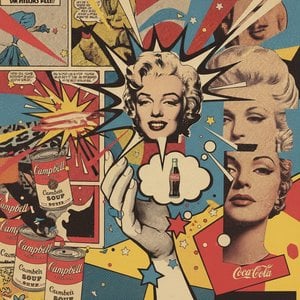
Do 1960-ih, Varhol je počeo da prevazilazi granice komercijalne umjetnosti, pojavljujući se kao ključna figura u razvijajućem pokretu Pop Art. Ovo je bio revolucionarni trenutak u istoriji umjetnosti, izazivajući tradicionalne ideje o tome šta čini „visoku“ umjetnost prihvaćanjem popularne kulture – reklama, stripova i masovno proizvedenih objekata – kao legitimnih tema za umjetničko istraživanje. Varhol nije samo prikazivao ove elemente; on ih je uzvisio, pretvarajući svakodnevne predmete u kultne simbole američkog potrošačkog društva. Njegova revolucionarna dela iz tog perioda, poput Campbell’s Soup Cans (1962) i Marilyn Diptych (1962), nisu bila samo slike; bili su izjave o sveprisustvenom uticaju masovnih medija i komodifikaciji slike. Tehnika sitotiska koju je usvojio bila je ključna u ovom procesu, omogućavajući mehaničku reprodukciju slika – namerno ogledalo potrošačke kulture koju je tako dobro posmatrao. Ovaj metod nije bio samo tehnički izbor; to je bio i konceptualni, naglašavajući ponavljanje, standardizaciju i izmaći granice između umjetnosti i proizvodnje. Centralno za Varholov umetnički univerzum bila je „Fabrika“, njegov studijski prostor u Njujorku. Više od radnog mesta, Fabrika je postala živahni centar za umetnike, muzičare, filmske stvaraoce, društvenice i sve one koji su privučeni njenom atmosferom eksperimentisanja i saradnje. Bila je to scena – rađače novih ideja i svedočanstvo Varholove uverenosti da bi umjetnost trebalo da bude dostupna i angažovana sa svijetom oko nje.
Slava, Katastrofa i Istraživanje Američkih Opsesija
Varholova umetnička vizija protezala se izvan potrošačkih dobara na područja slave, smrti i katastrofe – tema koje su duboko rezonirale u razvijajućem kulturnom pejzažu 1960-ih i 70-ih. Njegovi portreti ikoničnih ličnosti kao što su Marilyn Monroe, Elvis Presley i Elizabeth Taylor nisu bili samo laskavi prikazivanja; bila su to istraživanja slave, slike i često krhkog karaktera poznatih ličnosti. On je uhvatio ne samo njihove sličice, već i auru koja ih okružuje – izmišljenu slavu i podrazumijevanu ranjivost. Istovremeno, suočio se sa mračnijim aspektima američkog društva svojim serijom „Katastrofa“, prikazujući slike nesreća automobila, električnih stolica i nemira. Ta dela su bila uznemirujuća i provokativna, primoravajući gledaoce da se suoče s neugodnim istinama o nasilju i smrtnosti. On nije ponudio komentar u tradicionalnom smislu; umesto toga, prezentirao je ove slike sa odvojenom objektivnošću, omogućavajući gledaocu da sam donese zaključke. Ovaj pristup – često karakterisan ponavljanjem i hrbrim bojama – stvarao je oštre vizuelne efekte koji su bili istovremeno očaravajući i uznemirujući. Osim slikanja, Varhol se upustio u filmsku produkciju, producirajući eksperimentalna dela kao što su Sleep (1963) i Chelsea Girls (1966), koja su dodatno gurnula granice umetničkog izražavanja. Takođe je sarađivao sa The Velvet Underground, dizajnirajući njihov kultni album Banana – svedočanstvo njegovog uticaja koji se proteže izvan sveta finih umetnosti u muziku i popularnu kulturu.
Trajno Nasleđe: Varholov Uticaj na Umetnost i Kulturu
Varholov uticaj na svetsku scenu je neprocenjiv. On je izazvao konvencionalne definicije umetnosti, izmažući granice između visoke i niske kulture, i pripremio teren za nove umetničke pokrete kao što su Konceptualizam i Performans Umetnost. Njegovo istraživanje potrošačkog društva, slave i masovnih medija nastavlja da rezonira sa publikom danas, jer ove teme ostaju centralne u savremenoj zajednici. Varhol nije bio samo umetnik; on je bio kulturni fenomen – vizionar koji je razumeo moć slike i njenu sposobnost da oblikuje percepciju. On je otvoreno prihvatio svoju identitet kao gej muškarca u vreme kada je takva otvorenost bila retka, postajući simbol oslobođenja i izazivajući društvene norme. Njegov uticaj se može videti u bezbroj oblasti, od savremene umetnosti i mode do muzike i filma. Veliki muzeji širom sveta – uključujući Muzej Endija Varhola u njegovom rodnom gradu Pitsburgu – izlažu njegova dela, osiguravajući da će njegovo nasleđe nastaviti da inspiriše i provocira generacije umetnika i posetilaca. On je fundamentalno promenio način na koji razmišljamo o umetnosti, pretvarajući je u nešto dostupno, demokratsko i duboko povezano sa svakodnevnim iskustvima modernog života. Njegova tvrdnja da „svi će biti svetski poznati za 15 minuta“ ostaje jezivo predviđanje u našem dobu društvenih medija i trenutne slave – svedočanstvo njegovog trajne uvida u čovečanstvo i uvek evoluirajuću prirodu slave.



 Pregledaj u prostoru
 Kupite ručno oslikano delo
 Pošalji
 Podeli
 Detalji o delu
 Vodič
Vodič

 Preuzmi
 Slični predmeti
 Rendgenski snimak
 Automatska prezentacija
 Statistika

 Pročitaj više






































 Opcija sa staklom dostupna je samo za dimenzije manje od 110 cm