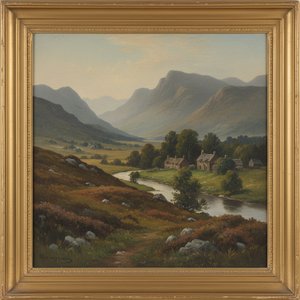
Алан Рамзи: Живот у Елеганцији и Уметности
Рођен у Единбургу, Шкотска, 13. октобра 1713. године, Алан Рамзи се издигао као истакнути шкотски портретиста чија су дела заувек забележила елеганцију и рафинираност свог времена. Његов уметнички пут започео је са двадесет година када је отпутовао у Лондон да студира под шведским сликаром Хансом Хисингом, након чега су уследила упознавања и обука у Академији Сент Мартинс Лејн. Ова фундаментална обука пружила му је чврсту основу у техници и композицији.
Италијански Утицаји и Уметнички Развој
Рамзијев уметнички развој доживео је значајан прекрет са његовим путовањима у Рим и Напуљ, где је провео три године (1736-1738) радећи под менторством Франческа Солимене и Империалеа (Франческа Фернандија). Ови италијански мајстори су дубоко утицали на његов стил, негујући веће разумевање класичних принципа и побољшавајући његове вештине у заробљавању сличности и карактера. Упио је преовлађујућу естетику рококоа, развијајући притом и наклоност ка неокласичним идеалима.
Успешна Каријера и Важна Дела
Након повратка у Велику Британију 1738. године, Рамзи је брзо успоставио успешну каријеру портретисте. Његова способност да представи своје субјекте са прецизношћу и грациозношћу ускоро му је донела угледног клијентелу. Међу његова најзначајнија дела спадају:
- Краљица Шарлота (1744-1818) са двојицом своје старије деце (Ројална колекција, Лондон): Величествена репрезентација која показује краљичину мајчинску присутност.
- Мери Дег, леди Роберт Манерс (Шкотска национална галерија, Единбург): Елегантан портрет који демонстрира Рамзијеву вештину у заробљавању аристократске лепоте.
- Глава Данкана Форбеса из Калодена: Ово рани дело привукло је пажњу војводе од Аргила и касније се појавило на новчаницама Краљевске банке Шкотске.
Краљевско Именовање и Врхунац Успеха
Преломни тренутак у Рамзијевој каријери дошао је 1761. године са његовим именовањем за Главног сликара краља Џорџа III. Ова престижна позиција учврстила је његов статус међу умјетничком елитом и осигурала му константан прилив поруџбина од краљевске породице и високог друштва. Постао је *портретиста Џорџијанског доба*.
Каснији Живот и Наслеђе
Рамзијев каснији живот обележила је промена ка књижевним тежњама, што одражава његова широка интелектуална интересовања. Међутим, личне трагедије – случајно изгубљена десна рука и смрт друге супруге 1782. године – утицале су на његово здравље и продуктивност. Преминуо је 1784. године.
Упркос овим изазовима, Рамзи је оставио трајно наслеђе као један од најславнијих шкотских портретиста. Како је Семјуел Џонсон забележио: „Волим Рамзија. Нећете пронаћи човека у чијем разговору има више поуке, информација и елеганције него у Рамзијевом.” Његова дела настављају да се диве због своје техничке вештине, рафиниране естетике и увиђајних портрета друштва из 18. века.
Историјски Значај
Рамзијев допринос се протеже даље од његовог уметничког талента. Играо је кључну улогу у обликовању визуелне културе Шкотске током периода значајних друштвених и политичких промена. Његови портрети пружају драгоцене увиде у живот, моду и вредности шкотског племства и господарије. Његова дела се могу наћи на локацијама као што су Градска већница Ајра и Шкотска национална галерија портрета.



 Pregledaj u prostoru
 Kupi ručno naslikanu sliku
 Pošalji
 Podeli
 Detalji o delu

 Преузми
 Slični predmeti
 Rendgenski snimak
 Slajdovi
 Stats
Stats


 Pročitaj više






































 Opcija sa staklom dostupna je samo za dimenzije manje od 110 cm