x
Pregledaj u prostoruPregledaj u prostoru AR pregledAR pregled Kupi print Kupi printKupi digitalnu sliku Kupi digitalnu sliku PošaljiPošalji
Detalji o deluDetalji o delu Dodaj u omiljene Dodaj u omiljene ПреузмиПреузми Slični predmetiSlični predmeti Rendgenski snimakRendgenski snimak SlajdoviSlajdovi

Pleasant Letter

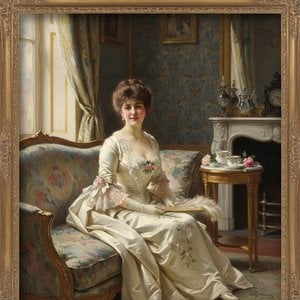
Admire 'Pleasant Letter' by Alfred Stevens – a captivating Belgian painting of Parisian life. This elegant portrait showcases Stevens’ mastery, capturing refined beauty and modern society with Dutch-inspired realism.

Istražite elegantni realizam Alfreda Stevensa! Belgijski slikar poznat po prikazima pariskog života i portretima žena. Otkrijte njegov stil inspirisan holandskom umetnošću i njegovo nasleđe.

Ručno rađena uljana reprodukcija

Ručno oslikano uljanim bojama na platnu u dimenzijama i okviru po vašem izboru, izrađeno po porudžbini od strane naših umetnika. (Kupi print Kupi printKupi digitalnu sliku Kupi digitalnu sliku)

P118B $10
P118H $10
P118W $10
P438Z $10
P508JH $12
P508YH $12
P805H $10
P805Z $10
P919BZ $10
P919G $10
P919XJ $10
P959ZH $10
P968JZ $12
W106C $8
W218G $10
W218JH $8
W218Y $10
W307PJ $10
W316G $10
W316PJ $8
W316Y $10
W398PJ $8
W4111J $10
W500HY $15
W500JH $15
W692G $12
W849H $8
W940BG $15
W953PJ $8

Standard
custom
CM
INCH

Izaberite jednu od naših unapred definisanih veličina koje odgovaraju originalnim proporcijama umetničkog dela.

širina
visina

Можете унети сопствене димензије како бисте прилагодили дело одређеном оквиру или простору. Ако одабрана величина не одговара пропорцијама оригинала, слика ће бити исечена или проширена додатним елементима који се ручно насликавају. Дигитални prikaz ће вам бити послат на одобрење пре почетка производње.
Имајте на уму да преглед на екрану не одражава стварно исецање или проширење. Само приказ (mockup) ће тачно приказати коначну композицију.
Иако су доступне прилагођене величине, препоручујемо да одаберете димензију из дефинисане листе како бисте сачували оригиналне пропорције.

Primeri onoga što se može promeniti: Zamena lica fotografijom kupca; Dodavanje ljubimca (npr. zamena mačke psom); Uključivanje skrivene poruke u pozadini; Promena pejzaža ili elemenata pozadine.
Nakon narudžbine, tim WahooArt.com će klijentu putem e-pošte poslati uputstva i dostaviti prikaz predloženog rešenja

Isporuka širom sveta () za 3/4 nedelje umesto uobičajenih 5 nedelja. (26 август). Bez kompromisa po pitanju kvaliteta.

why_choose_icon
Besplatna ekspresna dostava širom sveta
why_choose_icon
Visokokvalitetno laneno platno
why_choose_icon
Kompletno osiguranje transporta
why_choose_icon
Garancija povraćaja carine i uvoznih dažbina
why_choose_icon
Garancija vernosti boja
why_choose_icon
Politika povrata u roku od 60 dana (samo u slučaju nedostataka)
why_choose_icon
Garancija povrata novca od 100%
why_choose_icon
Popust pri grupnoj kupovini

Ukupna cena

$ 272

reproduction

Pleasant Letter

Tehnika reprodukcije

Dimenzije reprodukcije

-

Konačna cena

$ 272

Osnovne informacije

  • Notable elements: Intimate scene
  • Location: Hermitage Museum
  • Artistic style: Realism, Dutch influence
  • Medium: Oil on canvas
  • Subject or theme: Modern life, interior
  • Dimensions: 491 × 599 pixels
  • Title: Pleasant Letter

Opis umetničkog dela

A Glimpse of Parisian Life: Alfred Stevens’ “Pleasant Letter”

Alfred Stevens' "Pleasant Letter," painted circa 1860-67, is more than just a portrait; it’s a meticulously crafted window into the refined world of late 19th-century Paris. This exquisite work, currently residing in the collection of the State Hermitage Museum, captures a fleeting moment of domestic intimacy—a woman seated at a table, engrossed in a letter, while her companion observes with quiet attentiveness. Stevens, a master of realism and a keen observer of human psychology, elevates this seemingly simple scene into a study of social grace, subtle emotion, and the delicate balance between observation and participation.

The painting’s genesis lies firmly within Stevens' signature style: a deliberate departure from grand historical or mythological subjects. Instead, he focused on capturing the nuances of modern life—the “la vie moderne”—as it unfolded in fashionable Parisian interiors. This shift was revolutionary at the time, as it prioritized the portrayal of contemporary society and its inhabitants with an unprecedented level of detail and psychological insight. Influenced by the Dutch Masters – particularly Gerard ter Borch and Gabriel Metsu – Stevens meticulously rendered textures, light, and shadow, creating a palpable sense of realism that drew viewers into the scene.

The Composition: A Dance of Observation

The composition itself is remarkably balanced and restrained. The seated woman, dressed in a fashionable gown of muted tones, dominates the foreground, her gaze directed towards the letter before her. Her posture—relaxed yet attentive—suggests both engagement and contemplation. Her companion, positioned slightly behind and to the side, offers a counterpoint – a quiet observer, perhaps reflecting on the contents of the letter or simply enjoying the shared moment. The arrangement isn’t overtly dramatic; rather, it's a subtle choreography of figures within a carefully designed space.

Stevens masterfully utilizes light and color to enhance the scene’s atmosphere. A soft, diffused light illuminates the room, casting gentle shadows that define the forms and textures of the furniture and clothing. The palette is predominantly muted – browns, creams, and grays—reflecting the understated elegance of the Parisian bourgeois lifestyle. The use of a delicate rose-colored shawl draped over the woman’s shoulders adds a touch of warmth and visual interest, subtly drawing the eye to her face.

Symbolism and Social Commentary

Beyond its aesthetic qualities, “Pleasant Letter” carries layers of symbolic meaning. The act of reading a letter represents communication, connection, and perhaps even unspoken desires. It’s a moment of private reflection within the confines of domestic life—a world carefully constructed to project an image of refinement and social standing. The painting subtly critiques the artificiality of such displays, hinting at the complexities beneath the surface of polite society.

Furthermore, Stevens' choice of subject matter – a seemingly ordinary scene of everyday life – speaks to his broader artistic vision. He sought to elevate the commonplace, revealing beauty and significance in the details of modern existence. The painting’s popularity during its time reflected a growing interest in capturing the realities of contemporary society—a trend that would profoundly influence subsequent generations of artists.

A Legacy of Elegance

Alfred Stevens' “Pleasant Letter” remains a testament to his exceptional skill and artistic vision. It is a captivating portrait not only of two women but also of an era – the Belle Époque—characterized by its elegance, social complexities, and burgeoning modernity. Reproductions of this work offer a remarkable opportunity to experience the subtle beauty and psychological depth of Stevens’s art, bringing a touch of Parisian refinement into any space.


Biografija umetnika

rani život i obuka

Alfred Émile Léopold Stevens, čuveni belgijski slikar, rođen je 11. maja 1823. godine u Briselu. Njegova porodica bila je duboko ukorenjena u svet vizuelnih umetnosti; njegov stariji brat Joseph (1816–1892) i sin Léopold (1866–1935) bili su slikari, dok je još jedan brat, Arthur (1825–99), bio trgovac umetninama i kritičar.

umetnička karijera

Stevens je započeo svoje umetničko putovanje u Kraljevskoj akademiji lepih umetnosti u Briselu, gde je studirao pod vođstvom François Navez-a, neoklasičnog slikara. Godine 1843. preselio se u Pariz kako bi se pridružio svom bratu Josephu i bio primljen na École des Beaux-Arts. Iako postoji nesuglica oko toga da li je bio učenik Jean Auguste Dominique Ingres-a, Stevensova rana dela, poput dela Oproštaj ili apsolucija (Hermitage, Sankt Peterburg), potpisanog i datiranog 1849. godine, pokazuju njegovo majstorstvo u konvencionalnom naturalističkom stilu, snažno pod uticajem holandske žanrovske slike iz 17. veka.

uspon ka slavi

Stevensovi radovi prvi su javno izloženi 1851. godine na Briselskom salonu, nakon čega je osvojio medalju treće klase na Pariskom salonu 1853. godine, kao i medalju druge klase na Univerzalnoj izložbi u Parizu 1855. godine. Njegova slika Ce qu'on appelle le vagabondage (Muzej d'Orsay, Pariz) privukla je pažnju Napoleona III, što je dovelo do značajne promene u tretmanu siromašnih slojeva društva.

značajna dela i nasleđe

Pogledajte više dela Alfreda Stevensa na WahooArt.com: Istražite više na WahooArt.com:


Osnovne informacije

  • Artistic Movement Or Style: Akademski realizam
  • Artists Who Influenced This Artist:
    • Jean Auguste Dominique Ingres
    • Holandski majstori
  • Date Of Birth: 11. maj 1823.
  • Date Of Death: 1906.
  • Full Name: Alfred Émile Léopold Stevens
  • Nationality: Belgijanci
  • Notable Artworks:
    • La Dame en Rose
    • Poseta studiju
    • Pripremna crtež za 'Panorama veka', 'Carica Žofina i njen dvor'
  • Place Of Birth: Brisel, Belgija