Pionir orijentalističkih vizija: Život i umetnost Aleksandra Gabriela Dekampa
Aleksandar Gabriel Dekamp, ime koje odjekuje živopisnim nijansama egzotičnih pejzaža i dramatičnim žarom romantizma, pojavio se kao ključna figura francuskog slikarstva u 19. veku. Rođen u Parizu 3. marta 1803. godine, njegov umetnički put bio je hrabar inovativni poduhvat, koji je osporavao akademske konvencije i utirao stazu ka onome što će postati poznato kao orijentalizam. Iako su njegovi savremenici poput Delakroa i Ingresa takođe zauzimali istaknuto mesto u francuskom umetničkom svetu, Dekamp se razlikovao po intenzivno ličnom stilu – mešavini pedantne opservacije, dramatične kompozicije i očaravajućeg narativnog kvaliteta koji je privlačio gledaoce u svetove poznate i potpuno strane. Rano priznanje kao talentovan umetnik nagovestilo je karijeru obeleženu kritičkim pohvalama, kulminirajući sa velikom ili savetničkom medaljom na Pariskoj izložbi 1855. godine, svedočenjem o njegovoj izuzetnoj veštini i jedinstvenoj viziji. Izvan platna, Dekamp je bio čovek duboko povezan sa prirodom, nalazeći utehu i inspiraciju u okolini Pariza, gde se prepuštao svojoj strasti za životinjama i lovom – naklonosti koja bi suptilno prožimala mnoge od njegovih umetničkih dela.
Od Svetog pisma do Sahare: Evolucija umetničkog stila
Dekampov umetnički razvoj karakterisala je spremnost da istražuje raznolike teme i tehnike. U početku privučen istorijskim i biblijskim scenama, brzo se istakao portretiranjem ovih priča sa bez presedana nivoom realizma – utemeljenjem ih u autentičnim lokalnim okruženjima umesto oslanjanja na idealizovane ili konvencionalne predstave. Ova posvećenost verodostojnosti proizašla je iz njegovih putovanja na Istok, iskustava koja su duboko uticala na njegovu umetničku osetljivost. On nije samo prikazivao ono što je video; prenosio je osećaj atmosfere, svetla i same suštine tih dalekih zemalja.
Jozef prodat od strane braće svoje, na primer, nije jednostavno ilustracija biblijske priče, već živopisna slika određenog vremena i mesta, prožeta emocionalnom dubinom i psihološkim uvidom. Ovaj pristup se protezao i na njegova veća istorijska dela kao što je
Poraz Kimbra, gde je majstorski uhvatio haos i brutalnost bitke, pokazujući svoju sposobnost da rukuje velikim kompozicijama sa dinamičnom energijom. Međutim, upravo su njegovi prikazi orijentalnog života zaista izdvajali njega. Otkrio je svakodnevne scene – pijace, škole, unutrašnje prostore domova – sa vernošću koja je u početku zbunjivala kritičare naviknute na romantičnije ili stereotipne prikaze.
Otac orijentalizma i njegov trajni uticaj
Dekamp se s pravom smatra osnivačem orijentalizma u francuskom slikarstvu. Pre njega, prikazi Istoka su često bili filtrirani kroz sočivo fantazije i egzotike. Predstavio je drugačiju viziju – onu ukorenjenu u direktnoj opservaciji i iskrenoj radoznalosti. Njegova izložba na Salonu 1831. godine obeležila je prekretnicu, upoznavajući pariske publiku sa nepristrasnim pogledom na život u Severnoj Africi i Bliskom istoku. Ovaj revolucionarni pristup rezonirao je sa umetnicima i piscima, inspirirajući talas orijentalističkih dela koja su dominirala velikim delom umetnosti u 19. veku. Njegov stil – karakterisan snažnim potezima kista, izraznim kontrastima svetla i senke i opipljivim osećajem atmosfere – postao je referentna tačka za generacije slikara, fotografa i autora.
Maxime du Camp ga je slavnog nazvao „Kristofor Kolumbo Orijenta“, prepoznajući njegovu pionirsku ulogu u otvaranju ove nove umetničke teritorije.
Albanski plesač, sa svojim živopisnim bojama i energičnom kompozicijom, primer je njegove sposobnosti da uhvati duh kulture uz zadržavanje izrazito francuske estetske osetljivosti. Čak i satirični radovi kao što je
Majmuni poznavaoci, šaljiva kritika konzervativnog žirija Akademije lepih umetnosti, demonstriraju njegovu spremnost da ospori uspostavljene norme i prihvati nezavisniju umetničku viziju.
Tragičan kraj i trajno nasleđe
Nažalost, život Dekampa je tragično prekinut 22. avgusta 1860. godine u dobi od 57 godina nakon lovačke nesreće u blizini Fontenblea. Njegova prerana smrt lišila je umetnički svet istinski inovativnog talenta, ali njegovo nasleđe nastavlja da traje kroz njegove očaravajuće slike i njihovu trajnu privlačnost. Danas se remek dela kao što su
Požar u italijanskom selu, sa dramatičnim prikazom sukoba i majstorskom upotrebom impasta, i
Beduin i kamila koji se odmaraju u pustinji, koji prikazuju teksture i spokoj pustinjskog života, slave zbog svoje umetničke vrednosti i istorijskog značaja. Njegova dela se mogu naći u prestižnim institucijama kao što je Muzej Luvr u Parizu, osiguravajući da njegova vizija nastavlja da inspiriše i očarava publiku širom sveta. Platforme poput WahooArt.com igraju vitalnu ulogu u očuvanju i širenju njegove umetnosti, nudeći visokokvalitetne reprodukcije koje omogućavaju obožavateljima da iskuse lepotu i snagu Dekampovih slika iz prve ruke. Njegov uticaj se proteže van domena slikarstva, oblikujući percepciju Istoka i ostavljajući neizbrisiv trag na kulturnom pejzažu Evrope u 19. veku.
Istraživanje Dekampovog sveta: Značajna dela
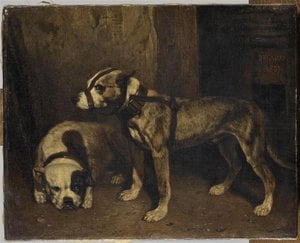
- CHIENS BRIFAUTS: Šarmantna orijentalistička scena koja prikazuje pse u živopisnom okruženju.
- LA COUR DE FERME: Očaravajuća slika iz 19. veka koja spaja francuski romantizam sa istorijskim detaljima.
- L’ÉCOLE TURQUE: Živopisan prikaz turske škole, koji uhvati energiju i atmosferu svakodnevnog života.
- PAYSAGE TURC: Miran pejzaž koji istražuje realizam i romantizam u francuskom okruženju.



 Pregledaj u prostoru
 Pređi na štampu
 Pošalji
 Podeli
 Detalji o delu

 Преузми
 Slični predmeti
 Rendgenski snimak
 Slajdovi
 Statistika

 Pročitaj više