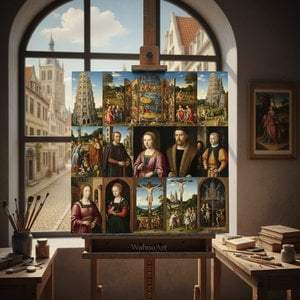
Život Izkovan u Nirnbergu: Rani Godine i Učešće
Albreht Durer, ime sinonimno za nemačku renesansu, izrastao je iz živahnog zanatskog grada Nirnberga 1471. godine. Njegov otac, Albreht Durer stariji, bio je uspešan zlatar koji se doselio iz Mađarske, noseći sa sobom porodicu prožetu veštinom. U tom okruženju – miris metala i preciznost ručnog rada – mladog Albrehta su prvi put razbudile umetničke naklonosti. Iako je njegov otac video sličan put za njega, prvo ga je obučavao zanatu porodice, ubrzo je postalo jasno da poseduje izuzetan talenat za crtanje. Sa trinaest godina prešao je u radionicu Mihaila Volgemuta, Nirnberškog vodećeg umetnika tog vremena. To nije bila samo tehnička obuka; bilo je to uranjanje u svet iluminiranih rukopisa, oslikanih panela i – ključno – buran zanat drvoreza. Ogroman broj radova koji su proizvedeni iz Volgemutove radionice, uključujući opsežne ilustracije za *Nirnberški hroniku*, obezbedio je Dureru nezabeleženu osnovu u dizajnu, kompoziciji i mehanici stvaranja slike. Neverovatan srebrni portret na ploči iz 1484. godine, stvoren kada je imao samo trinaest godina, svedoči o njegovom preciznom talentu – svedočanstvo naglašavajući umetničku ličnost koja se već razvija.
Uticaj Italije i Umetnička Zrelost
Durerova ambicija išla je daleko izvan Nirnberga. Pokrenut neprositnim znatiželjom i željom da savlada slikarstvo, krenuo je na svoje prvo putovanje u Italiju 1494. godine. To nije bio samo izlet; bila je to hodočašće u srce renesanse. Sreo je dela majstora poput Rafaela, Đovana Belinija i Leonard da Vinčija – umetnika koji su redizajnirali mogućnosti forme, perspektive i ljudskog izraza. Uticaj ovog izlaganja bio je dubok. Durer je upio klasične motive, skladne kompozicije i suptilni sfumato tehnike koje su obeležile italijansku umetnost, a ipak nije napustio svoju severnoevropsku senzibilnost za detalje i simboličku dubinu. Drugi boravak u Italiji između 1505. i 1507. godine dodatno je učvrstio ove uticaje, omogućavajući mu da prouči drevne rimske ruine i izgradi svoje razumevanje anatomije i proporcija. Ta sinteza severne preciznosti i italijanske gracioznosti postala je zaštitni znak Durerove jedinstvene umetničke stil.
Savladavanje Medija: Slikarstvo, Graviranje i Drvorez
Durer je bio majstor više medija, svaki od njih pružao mu je različite puteve za kreativni izraz. Njegova slika, iako manje brojna od njegovih štamparija, pokazuje neverovatnu kontrolu uljanih boja i sposobnost da uhvati kako fizičku sličnost tako i psihološku dubinu. Dela poput *Praznika ružinog venaca* otkrivaju živopisnu paletu pod uticajem Venecijanskog kolorizma. Međutim, upravo je u oblasti štampanja – naročito graviranja i drvoreza – Durer zaista revolucionisao umetničku praksu. Podigao je ove tehnike iz pukih reproduktivnih metoda na nezavisne umetničke oblike, sposobne da prenesu složene narative i duboke emocije. *Apokalipsa* serija (1498), kolekcija od četrnaest drvoreza koji ilustruju Knjigu Otkrivenja, pokazala je njegovu veštinu u ovom mediju uprkos njegovim urođenim ograničenjima. Kasniji graviri poput *Melanholije I* (1514) i *Svetog Jermen u njegovoj studiji* (1514) svedoče o njegovoj nezabeleženoj veštini – složene kompozicije ispunjene simboličkim značenjem i izvedene sa zastrašujućom preciznošću. On nije samo prikazivao stvarnost; nadario ju je slojevima intelektualnog i duhovnog značaja.
Teoretičar i Inovator: Nasleđe Albrehta Durera
Durer nije bio samo umetnik; bio je učenjak, teoretičar i inovator koji je nastojao da razume osnovna načela koja upravljaju umetničkom kreacijom. Vario je u matematičkim temeljima umetnosti i posvetio se uspostavljanju naučnog pristupa predstavljanju. Njegovi radovi o geometriji, proporcijama i ljudskoj anatomiji – naročito *Četiri knjige o ljudskim proporcijama* (1528) – bili su revolucionarni za svoje vreme, pokazujući njegovu predanost rigoroznoj posmatračnosti i racionalnoj analizi. Ovi radovi nisu bila samo akademska vežba; bili su namenjeni da podignu status umetnika od pukih majstora do intelektualnih praktičara. Durerovo nasleđe se proteže daleko izvan njegovih pojedinačnih dela. Spojio je jake severnoevropske tradicije i ideale italijanske renesanse, uvodeći klasične motive u severnu umetnost dok je zadržao njen karakterističan identitet. Njegovi teorijski doprinosi pomogli su da se uspostavi novi okvir za umetničku praksu, inspirisajući generacije umetnika njegovom tehničkom veštinom, inovatorskim duhom i dubokim vizijom.
I danas ostaje jedna od najvažnijih figura u istoriji zapadne umetnosti.
Uticaji i Trajni Uticaj
- Mihail Volgemut: Durerov prvobitni mentor, koji je pružio osnove veština crtanja, slikanja i drvoreza.
- Leonardo da Vinči: Inspirisao Durerovu istragu anatomije, perspektive i sfumata – suptilnog mešanja tonova.
- Rafael: Uticao na Durerovu kompozicionu harmoniju i idealizovane oblike.
- Đovanija Belinija: Doprinela Durerovom razumevanju boje i venecijanskih slikarskih tradicija.
Durerov uticaj odjekuje kroz vekove umetničke istorije. Njegova precizna realizacija, inovativna upotreba štampanja i teorijski rad nastavljaju da inspirišu umetnike i učenjake širom sveta. Pokazao je da može biti tehnički majstorski i intelektualno rigorozan – nasleđe koje i danas oblikuje umetnički pejzaž.
Njegovo delo svedoči o moći posmatranja, težnji za znanjem i večitom ljudskom želji da stvara lepotu i značenje.



 Pregledaj u prostoru
 Pređi na prodaju štampanih primeraka
 Podeli
 Podeli
 Detalji
 Vodič
Vodič

 Preuzmi sliku
 Slični predmeti
 Rendgenski snimak
 Automatska prezentacija
 Statistika

 Pročitaj više






































 Opcija sa staklom dostupna je samo za dimenzije manje od 110 cm