


 EngravingWallArtNorthern Renaissance Engraving
 1505Renaissance
 167.0 x 119.0 cm
 Staatliche Kunsthalle
Giclée štampa ili print na platnu muzejskog kvaliteta uz brzu proizvodnju i fleksibilne opcije završne obrade. ( Kupi ručno naslikanu sliku Kupi digitalnu sliku)





























Izaberite jednu od naših unapred definisanih veličina koje odgovaraju originalnim proporcijama umetničkog dela.

Možete uneti sopstvene dimenzije kako biste umetničko delo prilagodili specifičnom okviru ili prostoru. Ako odabrani format ne odgovara proporcijama originalne slike, mi ćemo ili iscrtati deo dela ili proširiti sliku pomoću ogledane ivice ili jednobojnog popunjavanja. Digitalni prikaz će vam biti poslat na odobrenje pre početka proizvodnje.
Imajte na umu da pregled na ekranu ne odražava stvarno iscrtavanje ili proširivanje. Samo će prikaz (mockup) precizno pokazati finalnu kompoziciju.
Iako su prilagođene dimenzije dostupne, preporučujemo da odaberete dimenziju sa unapred definisane liste kako biste očuvali originalne proporcije.
Dostava širom sveta () za 2 nedelje umesto uobičajenih 4/5 nedelja. (6 септембар)


Large Horse
Dimenzije reprodukcije
In the annals of the Northern Renaissance, few names command as much reverence as Albrecht Dürer, and few works encapsulate his technical virtuosity quite like “Large Horse,” completed in 1505. This masterpiece is far more than a mere study of equine anatomy; it is a profound dialogue between raw naturalism and the structured intellect of the Renaissance. When one gazes upon this engraving, they are immediately struck by the monumental presence of the beast, which dominates the frame with a powerful, diagonal energy. Dürer captures the horse in a strikingly foreshortened pose, its muscular hindquarters thrust toward the viewer, creating an immersive experience that bridges the gap between the paper and the observer's reality.
The artwork serves as a breathtaking window into the humanist ideals of 16th-century Nuremberg. During this era, the fascination with classical antiquity and the pursuit of idealized beauty were at their zenith. Dürer, influenced by the masters of the Italian Renaissance such as Mantegna and Leonardo da Vinci, utilized the precision of the burin to translate these lofty concepts into a tangible, tactile medium. The composition is anchored by architectural elements—a classical column and a textured wall—which provide a sense of stability and depth, grounding the dynamic movement of the horse within a structured, civilized space.
To appreciate “Large Horse” is to witness the pinnacle of engraving technique. Dürer’s mastery lies in his ability to manipulate light and shadow using nothing but monochromatic lines. Through an intricate system of hatching and cross-hatching, he achieves a breathtaking illusion of volume and texture. One can almost feel the coarse roughness of the horse's coat, the sleekness of its mane, and the cold, unyielding weight of the warrior's armor. Every fine line is a deliberate stroke of genius, meticulously incised into the copper plate to define the sinewy musculature of the animal and the intricate details of the surrounding landscape.
This technical brilliance extends to the play of light across the scene. The lighting appears diffused, casting soft shadows that sculpt the forms without harsh interruptions, lending the piece a serene yet commanding atmosphere. For the discerning collector or interior designer, this level of detail offers an unparalleled sense of luxury and sophistication. A high-quality reproduction of such a work brings with it a palpable sense of history and a scholarly depth that can transform a contemporary space into a gallery of timeless elegance.
Beyond its visual splendor, “Large Horse” is rich with symbolic resonance. The horse itself has long been an emblem of strength, loyalty, and untamed freedom—virtues that were deeply prized by the nobility of Dürer’s time. However, there is a subtle narrative of control at play; the presence of the armored warrior holding the bridle suggests the triumph of human intellect and discipline over raw, animalistic power. This theme of restraint is further reinforced by the intricate knotting of the horse's tail, a detail that speaks to the mastery of spirit over instinct.
The emotional impact of the piece is one of profound dignity and resolve. The warrior’s posture and the horse's commanding stance evoke a sense of grandeur and heroic purpose. For those seeking to decorate a space with art that inspires contemplation and commands respect, “Large Horse” offers a unique opportunity. It is an invitation to engage with a moment of historical triumph, captured forever in the indelible, rhythmic dance of black ink on paper.


1471 - 1528 , Италија

Explore the profound mastery of engraving and intaglio printmaking. Delve into the rich history, technical precision of the burin, and the enduring legacy of fine art techniques that shaped the world's most iconic masterpieces.

Immerse yourself in the majesty of equestrian art. Discover museum-quality, hand-painted horse reproductions and bespoke commissions that capture the power and grace of the equine form. Perfect for discerning collectors seeking timeless elegance and unparalleled craftsmanship.

Explore the profound precision of German Renaissance art. From Albrecht Dürer’s intricate engravings to the soulful depth of Northern Renaissance portraiture, discover a masterclass in detail, humanism, and technical mastery for the true art enthusiast.
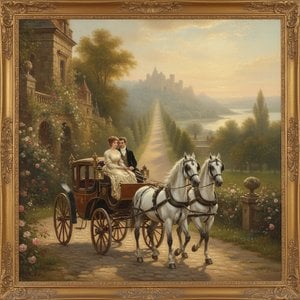
Embark on a visual journey through the romantic world of horse carriage art. Discover the mastery of equestrian oil paintings, from Impressionist textures to classical realism, and learn how to bring timeless elegance into your home with museum-quality reproductions.

 Pregledaj u prostoru
 Pošalji
 Podeli
 Detalji o delu

 Преузми
 Slični predmeti
 Rendgenski snimak
 Slajdovi
 Pročitaj više







 Opcija sa staklom dostupna je samo za dimenzije manje od 110 cm


