BESPLATNA KONSULTACIJA SA STRUČNJAKOM ZA UMETNOST


x


 Kupi štampu Kupi digitalnu sliku
 Pošalji
 Details
 Dodaj u omiljene
 Преузми
 Slični predmeti
 X-Ray
X-Ray
 Slajdovi
Ručno oslikano uljanim bojama na platnu u dimenzijama i okviru po vašem izboru, izrađeno po porudžbini od strane naših umetnika.





























Izaberite jednu od naših unapred definisanih veličina koje odgovaraju originalnim proporcijama umetničkog dela.

Можете унети сопствене димензије како бисте прилагодили дело одређеном оквиру или простору. Ако одабрана величина не одговара пропорцијама оригинала, слика ће бити исечена или проширена додатним елементима који се ручно насликавају. Дигитални prikaz ће вам бити послат на одобрење пре почетка производње.
Имајте на уму да преглед на екрану не одражава стварно исецање или проширење. Само приказ (mockup) ће тачно приказати коначну композицију.
Иако су доступне прилагођене величине, препоручујемо да одаберете димензију из дефинисане листе како бисте сачували оригиналне пропорције.
Isporuka širom sveta () za 3/4 nedelje umesto uobičajenih 5 nedelja. (1 јул). Bez kompromisa po pitanju kvaliteta.


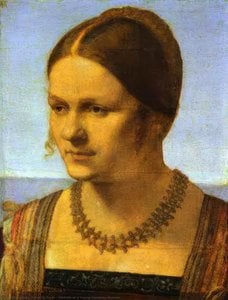
Eve (detail)
Dimenzije reprodukcije
Albrecht Dürer's "Eve (Detail)," painted around 1507, isn’t merely a portrait; it’s a carefully constructed meditation on beauty, temptation, and the very essence of human experience. This exquisite detail, likely part of a larger composition now lost to history, offers a tantalizing glimpse into Dürer's masterful command of observation and his profound understanding of Renaissance ideals. The image, rendered in stark black and white, possesses an immediate power – a quiet intensity that draws the viewer into the woman’s gaze. It feels less like a depiction of a biblical figure and more like encountering a timeless representation of feminine allure and contemplative serenity.
Dürer's technical prowess is immediately evident in the meticulous rendering of Eve’s features. The artist employs a painstaking sfumato technique, subtly blurring edges and creating an atmospheric depth that softens her form while simultaneously sharpening the details of her face – the delicate curve of her lips, the subtle play of light on her skin, and most notably, the closed eyes conveying a sense of peaceful introspection. The braiding of her hair is not simply decorative; it’s a deliberate choice, echoing the elaborate hairstyles favored by noblewomen of the era and adding to the overall impression of refined elegance. The use of chiaroscuro – the dramatic contrast between light and shadow – further emphasizes her form, creating a sculptural quality that elevates the portrait beyond a simple likeness.
To understand “Eve (Detail),” we must situate it within the broader context of 16th-century Nuremberg and the burgeoning Renaissance. Dürer, born in 1471, was a pivotal figure in this artistic revolution, bridging the gap between the Gothic traditions of his predecessors and the emerging humanist ideals that would define the era. His work reflects both a deep respect for classical antiquity – evident in the idealized beauty of Eve’s features – and a growing interest in scientific observation and anatomical accuracy. The painting's date, 1507, coincides with a period of intense artistic activity in Nuremberg, fueled by the city’s thriving trade and its position as a center of printing and craftsmanship. Dürer himself was deeply involved in these developments, experimenting with new techniques and pushing the boundaries of artistic expression.
Interestingly, this particular detail likely originates from a larger panel depicting Eve within a more complex allegorical scene. The presence of the clock on the wall behind her is particularly significant. Clocks were relatively new inventions at the time, representing not just the passage of time but also the burgeoning scientific interest in measuring and understanding the natural world. It subtly introduces an element of temporal awareness – a reminder that even in this moment of serene contemplation, time continues its relentless march forward.
While rooted in biblical narrative, “Eve (Detail)” transcends simple illustration. The closed eyes invite speculation about Eve’s inner state—is she lost in thought, anticipating a future event, or perhaps reflecting on the consequences of her actions? The ambiguity is deliberate, allowing for multiple interpretations and engaging the viewer's own emotional response. The image speaks to themes of innocence, temptation, knowledge, and the inherent complexities of human nature – all central concerns within Renaissance art and philosophy.
Furthermore, Eve’s posture and expression suggest a quiet dignity and self-possession. She is not presented as a passive victim but rather as an individual capable of independent thought and action. This nuanced portrayal aligns with the humanist emphasis on human potential and agency that characterized the Renaissance period. The overall composition feels remarkably intimate, drawing us into a private moment of reflection – a testament to Dürer’s ability to capture not just outward appearance but also the subtle nuances of inner life.
WahooArt.com offers meticulously crafted hand-painted reproductions of Albrecht Dürer's "Eve (Detail)," allowing you to experience the profound beauty and intellectual depth of this iconic masterpiece in your own space. Our skilled artisans utilize traditional techniques and archival-quality materials to faithfully recreate Dürer’s nuanced details, capturing the subtle sfumato effects and dramatic chiaroscuro with exceptional precision. Whether adorning a study, a gallery wall, or a private residence, this reproduction serves as a powerful reminder of Dürer's genius and the enduring legacy of the Renaissance.


1471 - 1528 , Италија
Uronite u svet Rafaela Sanzija! Otkrijte 25 remek-dela renesansnog umetnika, od Madona do fresaka Vatikana. Inspiracija za dekoraciju enterijera i kupovina reprodukcija slika visoke rezolucije na WahooArt.com.
Explore the captivating world of Vittore Carpaccio, a master storyteller of the Venetian Renaissance. Discover his intricate details, narrative cycles like 'The Legend of St. Ursula,' and unique artistic style.
Uronite u svet Sandro Botticellija! Otkrijte 25 remek-dela renesansnog majstora – od Venere do Primavera. Istorija umetnosti, tehnike i inspiracija za dekoraciju enterijera. Kvalitetne reprodukcije slika na WahooArt.com.
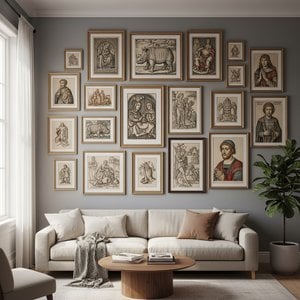
Explore 25 iconic artworks by Albrecht Dürer, a master of the German Renaissance. Discover the stories behind Melencolia I, Knight Death and Devil & more. Find museum-quality art reproductions for your home at WahooArt.com.

Explore the life & art of Albrecht Dürer, a pivotal German Renaissance master. Discover his groundbreaking printmaking techniques, iconic self-portraits, and lasting influence on Western art history. A deep dive into innovation & symbolism.


Budite u toku sa najnovijim vestima o umetnosti, ekskluzivnim ponudama i idejama za dekoraciju.
Recite nam o vašem projektu i naši stručnjaci za umetnost će vam pružiti 3 personalizovana predloga umetničkih dela.
Dozvolite nam da odaberemo 3 opcije specijalno za Vas - Besplatno!
 Podeli









 Pročitajte više
 Opcija sa staklom dostupna je samo za dimenzije manje od 110 cm