Pregledaj u prostoru Isprobaj u AR-u Naručite ručno oslikano reprodukciju Pređi na prodaju digitalnih slika Podeli
Detalji Vodič Dodaj u omiljene Preuzmi sliku Slični predmeti Rendgenski snimak Automatska prezentacija Statistika

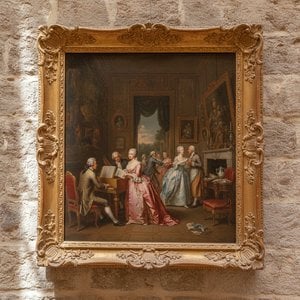
In a Tavern

The meta description is optimized for search engines and aims to entice viewers to learn more about the artwork.

Istražite žanr slikarstvo Adrijana van Ostadea iz 17. veka! Otkrijte realistične scene svakodnevnog života, taverni i seljačke kulture – majstor Zlatnog doba holandske umetnosti.

Giclee štampa / Umetnički otisak

Giclée štampa ili print na platnu muzejskog kvaliteta uz brzu izradu i raznovrsne opcije završne obrade. ( Naručite ručno oslikano reprodukciju Pređi na prodaju digitalnih slika)

Corner sample of the P118B picture frame: kaljeni polistiren, 5 cm wide and 3 cm thick
P118B дин10
Corner sample of the P118H picture frame: kaljeni polistiren, 5 cm wide and 3 cm thick
P118H дин10
Corner sample of the P118W picture frame: kaljeni polistiren, 5 cm wide and 3 cm thick
P118W дин10
Corner sample of the P438Z picture frame: kaljeni polistiren, 5.5 cm wide and 3.5 cm thick
P438Z дин10
Corner sample of the P508JH picture frame: kaljeni polistiren, 7 cm wide and 3.5 cm thick
P508JH дин12
Corner sample of the P508YH picture frame: kaljeni polistiren, 7 cm wide and 3.5 cm thick
P508YH дин12
Corner sample of the P805H picture frame: kaljeni polistiren, 5 cm wide and 3.5 cm thick
P805H дин10
Corner sample of the P805Z picture frame: kaljeni polistiren, 5 cm wide and 3.5 cm thick
P805Z дин10
Corner sample of the P919BZ picture frame: kaljeni polistiren, 7 cm wide and 3.5 cm thick
P919BZ дин10
Corner sample of the P919G picture frame: kaljeni polistiren, 7 cm wide and 3.5 cm thick
P919G дин10
Corner sample of the P919XJ picture frame: kaljeni polistiren, 7 cm wide and 3.5 cm thick
P919XJ дин10
Corner sample of the P959ZH picture frame: kaljeni polistiren, 5 cm wide and 3 cm thick
P959ZH дин10
Corner sample of the P968JZ picture frame: kaljeni polistiren, 6 cm wide and 4 cm thick
P968JZ дин12
Corner sample of the W106C picture frame: masivno drvo, 5 cm wide and 3 cm thick
W106C дин8
Corner sample of the W218G picture frame: masivno drvo, 5 cm wide and 3 cm thick
W218G дин10
Corner sample of the W218JH picture frame: masivno drvo, 5 cm wide and 3 cm thick
W218JH дин8
Corner sample of the W218Y picture frame: masivno drvo, 5 cm wide and 3 cm thick
W218Y дин10
Corner sample of the W307PJ picture frame: masivno drvo, 6 cm wide and 3 cm thick
W307PJ дин10
Corner sample of the W316G picture frame: masivno drvo, 6 cm wide and 3 cm thick
W316G дин10
Corner sample of the W316PJ picture frame: masivno drvo, 6 cm wide and 3 cm thick
W316PJ дин8
Corner sample of the W316Y picture frame: masivno drvo, 6 cm wide and 3 cm thick
W316Y дин10
Corner sample of the W398PJ picture frame: masivno drvo, 5 cm wide and 3 cm thick
W398PJ дин8
Corner sample of the W4111J picture frame: masivno drvo, 6.5 cm wide and 3.5 cm thick
W4111J дин10
Corner sample of the W500HY picture frame: masivno drvo, 7 cm wide and 5 cm thick
W500HY дин15
Corner sample of the W500JH picture frame: masivno drvo, 7 cm wide and 5 cm thick
W500JH дин15
Corner sample of the W692G picture frame: masivno drvo, 8 cm wide and 4 cm thick
W692G дин12
Corner sample of the W849H picture frame: masivno drvo, 5 cm wide and 3 cm thick
W849H дин8
Corner sample of the W940BG picture frame: masivno drvo, 7.5 cm wide and 4.5 cm thick
W940BG дин15
Corner sample of the W953PJ picture frame: masivno drvo, 6 cm wide and 3.5 cm thick
W953PJ дин8

Standardne dimenzije
po meri
CM
INCH

Izaberite jednu od naših unapred definisanih veličina koje odgovaraju originalnim proporcijama umetničkog dela.

širina
visina

Unesite širinu i visinu koja vam je potrebna, kako bi se uklopili u vaš ram ili na vaš zid. Štampa se može samo iseći, nikada ne može biti veća od originalne slike, stoga format sa drugačijim proporcijama gubi deo slike. Poslaćemo vam digitalni prikaz radi potvrde pre nego što započnemo štampu. Slika prikazana na ovoj stranici ne pokazuje stvarni rez — to pokazuje samo digitalni prikaz.

Dostava širom sveta () za 2 nedelje umesto uobičajenih 4/5 nedelja. (27 октобар)

Besplatna ekspresna dostava širom sveta
Visokokvalitetno laneno platno
Sveobuhvatno osiguranje transporta
Garancija povraćaja carine i uvoznih dažbina
Garancija vernosti boja i autentičnosti pri reprodukciji
Politika povraćaja u roku od 100 dana (samo u slučaju nedostataka)
Garancija povrata 100% novca
Popust pri većoj količini

Ukupna cena

дин 7026

In a Tavern

Giclee štampa / Umetnički otisak

Veličina reprodukcije

-

Ukupna cena

дин 7026

Brzi pregled

  • Artistic style: Baroque
  • Title: In a Tavern
  • Subject: Tavern interior
  • Notable elements: Lively scene, dogs
  • Dimensions: 41 x 35 cm

Kviz o umetnosti

Svako pitanje ima samo jedan tačan odgovor.

Pitanje 1:
What is the primary style of Adriaen van Ostade’s ‘In a Tavern’?
Pitanje 2:
Approximately when was ‘In a Tavern’ painted?
Pitanje 3:
The painting depicts a scene primarily featuring which social group?
Pitanje 4:
What is prominently visible near the bottom left corner of the painting?
Pitanje 5:
Based on the description, what is the overall atmosphere captured in ‘In a Tavern’?

A Window into Dutch Life: Adriaen van Ostade’s “In a Tavern”

Adriaen van Ostade's "In a Tavern," painted in 1671, isn’t merely a depiction of a drinking establishment; it’s a remarkably astute and poignant observation of everyday life within the Dutch Golden Age. Far removed from idealized courtly scenes, this painting plunges us directly into the heart of a bustling tavern – a microcosm reflecting the social realities, struggles, and quiet joys of the working class. Ostade masterfully captures a scene brimming with activity, yet imbued with an underlying sense of melancholy and realism that distinguishes his work from many of his contemporaries.

The painting’s Baroque style, while evident in its dramatic lighting and dynamic composition, is tempered by a distinctly earthy quality. Unlike the polished surfaces favored by some of his peers, Ostade employs a rougher brushstroke, lending the scene an immediacy and sense of authenticity. The colors are muted – browns, ochres, and greys dominate – mirroring the humble surroundings and reflecting the lives of those depicted. This deliberate choice avoids romanticizing poverty; instead, it presents a truthful portrayal of a common setting.

The Scene Unfolds: Composition and Detail

A dense gathering occupies the tavern’s interior, arranged around a sturdy wooden table. Twelve figures are visible, a mix of men and women engaged in conversation, drinking, and perhaps even gambling – activities typical for the time. Ostade doesn't shy away from portraying the less flattering aspects of this social space: a dog sprawls near the bottom left corner, suggesting a lack of refinement, while several individuals appear weary or burdened. Yet, amidst these details, there’s an undeniable sense of camaraderie and shared experience.

The arrangement of furniture – multiple chairs, a bench, and two couches – contributes to the feeling of crowded intimacy. A simple bowl sits on the table, its contents obscured but hinting at sustenance or drink. The lighting, skillfully rendered with chiaroscuro (the dramatic contrast between light and dark), draws our attention to key figures and creates a sense of depth within the room. Notice how Ostade uses light to highlight faces in conversation, emphasizing their expressions and gestures.

A Reflection of Dutch Society

"In a Tavern" offers a valuable glimpse into 17th-century Dutch society. The tavern was more than just a place for drinking; it served as a vital social hub – a meeting point for laborers, merchants, travelers, and even the occasional criminal. Ostade’s painting captures this multifaceted role, revealing the complexities of daily life in a rapidly changing nation. It's important to note that taverns were often associated with moral ambiguity, representing a space outside the rigid structures of social order.

Considering the historical context, it’s fascinating to compare Ostade’s work with other depictions of tavern scenes from this period, such as those by David Teniers the Younger or Adriaen Brouwer. While all three artists explored similar themes, each brought a unique perspective and stylistic approach. Brouwer's paintings often emphasize the boisterousness and revelry of tavern life, while Teniers tends to focus on more idyllic scenes. Ostade’s work stands apart through its unflinching realism and subtle emotional depth.

Symbolism and Emotional Resonance

Beyond its realistic portrayal of a tavern scene, “In a Tavern” is rich in symbolic meaning. The weary faces, the simple furnishings, and the overall atmosphere evoke a sense of hardship and resilience – qualities that were prevalent among the Dutch working class. Ostade doesn’t offer easy answers or sentimental narratives; instead, he presents a raw and honest depiction of human existence.

The painting's enduring appeal lies in its ability to connect with viewers on an emotional level. It invites us to contemplate the lives of ordinary people, their struggles, and their moments of connection. “In a Tavern” is not simply a historical record; it’s a powerful testament to the human spirit – a reminder that even within the most humble circumstances, there can be beauty, warmth, and shared humanity.

Pitanja i odgovori

S obzirom na svoje boje, za koju se prostoriju preporučuje „In a Tavern”, Адриаен Ван Остаде?

Dark boje dela „In a Tavern”, Адриаен Ван Остаде savršeno se uklapaju u preporučeni prostor: Living Room.

Kakvu atmosferu odiše "In a Tavern"?

Opšta atmosfera dela „In a Tavern”, Адриаен Ван Остаде je Earthy. Atmosfera opisuje opšti dojam koji delo ostavlja.

Da li „In a Tavern”, Адриаен Ван Остаде koristi jake kontraste ili nežne harmonije?

Analiza boja dela „In a Tavern”, Адриаен Ван Остаде beleži Serene kontrast i Unified Palette harmoniju.


Biografija umetnika

Адриаен ван Остаде: Живот и дело холандског мајстора жанра

Адриаен ван Остаде, рођен 1610. године у Харлему, Холандија, био је сликар чије име остаје синоним за реалистичан приказ живота обичног човека у Златно доба холандског сликарства. Потекао је из породице уметника; његов отац, Јан ван Остаде, био је ткач тапетерија, окружење које је несумњиво подстакло његово рану наклоност према визуелним уметностима. Његова каријера није била изолована, већ део шире породичне традиције стваралаштва. Заједно са братом Исаком Јансом ван Остадеом, започео је свој уметнички пут као ученик Франса Халса, прослављеног холандског мајстора познатог по живим портретима и жанровским сценама. Међутим, њихово време под Халсовом заштом било је релативно краткотрајно. Брзо су се одвојили од Халсовог стила, развијајући своје посебне приступе сликарству и изражавању.

Уметнички развој и карактеристике стила

Рани радови (1630-те) ван Остадеа често су подсећали на Халсов слободан начин рада, али је он постепено усавршавао своју технику. Убрзо се посветио жанровским сценама – приказима свакодневног живота, посебно онима који укључују сељаке и раднике. Његов стил карактерише прецизност детаља, суптилна употреба светлости и сенке (кијароскуро) и нагласак на реалистичном приказу његових субјеката. Вешто је заробљавао текстуре одеће, предмета и околине, стварајући осећај аутентичности у свом раду. Честе теме укључивале су сцене из таверни, вашара, сеоских кућа и приказе руралног живота. Његова способност да пронађе лепоту и достојанство у обичном животу била је изузетна. Како је његов стил сазревао, ван Остаде је развио изразито интроспективну квалитету, често приказујући сцене пуне тишине и размишљања.

Главна дела и достигнућа

Слика "Благослов пре оброка" (око 1660. године), која се чува у Музеју Кливленда, сматра се једним од његових ремек-дела. Она оличава његову способност да чак и скромне субјекте испуни дигнитетом и поетичном лепотом. "Смејући сељанин" (1634.), мањи али задивљујући рад у колекцији Кремер, Амстердам, показује његову вештину у заробљавању изражајних лица и покрета. Ван Остаде је створио бројне сцене из таверни, нудећи увиђај у друштвени живот холандског народа 17. века. Те слике често приказују оживљене окупљања са пићем, пушењем и музиком. Иако се углавном памти по жанровским радовима, створио је и пејзаже, често са рустичним окружењима и фигурама које су ангажоване у свакодневним активностима. Његова способност да споји реализам са атмосфером била је кључна за његов успех.

Утицаји и наслеђе

Почетна обука под Франсом Халсом пружила му је основу у холандским техникама сликања и жанровској тематици. Уметнички историчари често упоређују ван Остадеов рад са радовима Давида Тениерса Млађег, другог познатог мајстора жанра. Међутим, њихове слике одражавају различите регионалне карактеристике – ван Остаде се фокусирао на Холандију, док је Тениерс приказивао Брабант. Нагласак ван Остадеа на натурализму и свакодневном животу отворио је пут каснијим уметничким покретима попут импресионизма и реализма. Његова пажња светлости и сенци такође је утицала на барокно сликање. Сматра се кључном фигуром у холандском Златном веку, пружајући драгоцене увиде у живот и обичаје холандског друштва 17. века. Чланство у Цеху светог Луке у Харлему 1634. године означило је његово признање као професионалног уметника, а он је наставио да ужива у успеху током своје каријере, добијајући поруџбине од богатих покровитеља и успостављајући се као цењени сликар. Адриаен ван Остаде умро је 1685. године у Харлему. Његови радови настављају да се диве због реализма, шарма и историјског значаја.
Адриаен Ван Остаде

Адриаен Ван Остаде

1610 - 1685 , Србија

Brzi pregled

  • Datum Rođenja: 1610
  • Datum Smrti: 1685
  • Mesto Rođenja: Haarlem, Holandija
  • Nacionalnost: Holanđanin
  • Poznata Dela:
    • Molitva pre jela
    • Smejući seljak
  • Puno Ime: Adriaen van Ostade
  • Umetnici Koji Su Uticali: ['Frans Hals']
  • Umetnički Pokret: Zlatno doba holandske umetnosti