A Palace of Echoes: Unveiling the Kunsthistorisches Museum’s Enduring Legacy
Stepping through the grand entrance of the Kunsthistorisches Museum in Vienna is akin to stepping back centuries, into a realm where the echoes of imperial grandeur mingle with the brushstrokes of artistic titans. More than simply a repository for masterpieces, this magnificent institution—a true palace of echoes—offers an immersive journey through the very soul of European culture, a testament to the ambition and patronage of the Habsburg dynasty. Founded in 1871 as a public showcase for their unparalleled collections, the KHM has evolved into a vibrant cultural hub, seamlessly blending historical significance with contemporary engagement. The building itself, a breathtaking example of Viennese Baroque architecture designed by Gottfried Semper and Karl Hasenauer, is not merely a beautiful shell; it’s a deliberate embodiment of the dynasty's power and legacy—a declaration in stone that mirrors the treasures held within.
Renaissance Revelations:
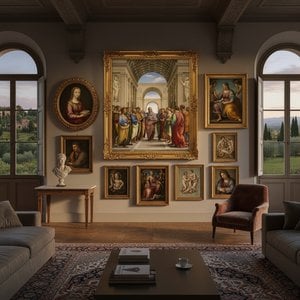
Within the Picture Gallery, one is immediately confronted by the brilliance of Raphael’s Madonnas, their serene grace and idealized beauty embodying the pinnacle of High Renaissance art. Nearby, Rembrandt's portraits offer a starkly different yet equally compelling experience, capturing the complexities of human psychology through masterful use of light and shadow. The Dutch masters – Vermeer with his quiet domestic scenes evoking intimacy, and Rubens, whose dynamic compositions burst with energy and emotion – are equally well represented, offering glimpses into the artistic sensibilities of the Golden Age. These artists’ works stand as enduring symbols of humanist ideals and artistic innovation.
Ancient Wonders:
Venturing beyond Europe’s borders, the KHM's collection of Ancient Egyptian artifacts is a truly awe-inspiring spectacle. Sarcophagi adorned with intricate hieroglyphs stand guard over mummified remains, imposing statues embody divine power, and shimmering jewelry crafted from precious metals and gemstones testify to the sophistication of this ancient civilization. The sheer scale and detail of these objects transport visitors back millennia, offering a profound connection to a world steeped in mythology and ritual. Examining these relics provides insight into beliefs about life, death, and the afterlife.
Secessionist Symphony:
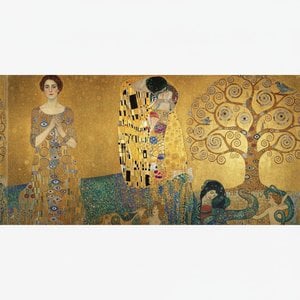
A dedicated wing explores Vienna’s vibrant artistic landscape during the late 19th and early 20th centuries. “Vienna 1890–1930” showcased the bold experimentation and innovative spirit of Viennese Secession art and architecture—a movement that challenged traditional norms and paved the way for modernism. Artists like Gustav Klimt, Egon Schiele, and Otto Wagner, whose works reflected a growing sense of disillusionment with established artistic conventions and a desire to explore new forms of expression, are prominently featured. Their daring aesthetic choices represent a decisive break from academic traditions.
A Tapestry of Millennia: Masterpieces Across European Traditions
The Kunsthistorisches Museum’s scope extends far beyond Europe’s borders. Its collection of Ancient Egyptian artifacts is among the most significant outside of Egypt itself, transporting visitors to a world of gods, pharaohs, and elaborate rituals. Sarcophagi adorned with intricate hieroglyphs, imposing statues embodying divine power, shimmering jewelry crafted from precious metals and gemstones, and meticulously preserved papyri—all reveal the intricacies of this ancient civilization’s beliefs about life, death, and the afterlife. Lucas Cranach the Elder's portraits, capturing the spirit of the Reformation era with their bold colors and expressive figures, stand alongside Giorgione’s enigmatic “Young Woman (“Laura”),” a Venetian masterpiece that continues to captivate with its subtle beauty and elusive symbolism. Titian’s "Gipsy Madonna" offers another glimpse into the Renaissance painting's richness—a testament to his mastery of color and composition. The museum’s collection truly embodies the ambition of the Habsburg dynasty – a desire to collect and preserve the best art from across the known world.