Ukiyo-e masters, in order

39 Famous Ukiyo-e Umetniki: The Definitive Ranking

The most famous Ukiyo-e umetnik is Hokusaj (1760–1849), known for Velava Kanagavske obmora in Fuji, Planine v Jasnem Poletju (Rdeči Fuji). Next come Utagava Hirošige, Kitagawa Utamaro, Tsukioka Yoshitoshi in Torii Kiyonaga. This ranking of the 39 most famous Ukiyo-e umetniki runs from Hishikawa Moronobu (born 1618) to Goyō Hashiguchi (born 1880), across 3 countries.

How this list is ranked. Artists whose works our catalogue files under Ukiyo-e, in the order of our fame ranking of artists. Artists without a Wikidata identifier born after 1955 are left out until verified. The Wikipedia figure next to each name is the number of our 32 languages in which Wikipedia has an article on the artist.

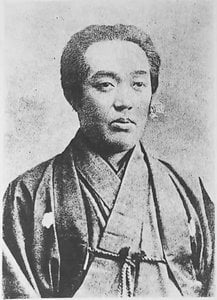
  1. Velava Kanagavske obmora avtorja Hokusaj1Hokusaj
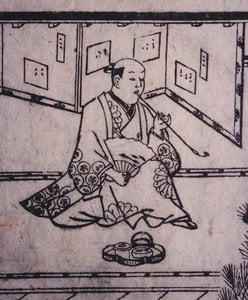
  2. Early Department from a Daimyo avtorja Utagava Hirošige2Utagava Hirošige
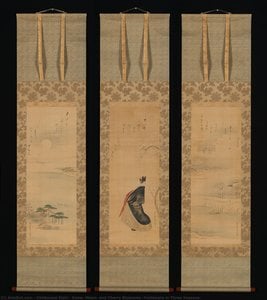
  3. Utamaro Okita avtorja Kitagawa Utamaro3Kitagawa Utamaro

The essentials

Ukiyo-e at a glance

  • 39Umetniki
  • 1618–1880Leto rojstva
  • 3Zemlje rojstva
  • 0Ženske
  • 1Živujoči umetniki
  • 5.896Delo v našem katalogu
Mestov z največim številom novorojenčev
Tokyo (10), Edo (8), Osaka (2), Tokio (1)

Ranked, with their masterpieces

The ranking: 39 Ukiyo-e Umetniki and their key works

1of 39

Hokusaj

Japonec Born in Tokio Ukiyo-e Wikipedia in 32/32 languages

Hokusaj

V veselem in hiter pokretljivih ulicah Edoja se sin izdelovalca ogledal začne risati. Že pri šestih letih fant že skicira, gonjen z neugasljivo lahkotnostjo, ki jo njegov oče, Nakajima Ise, prepozna, vendar je ne more popolnoma usmeriti. Pri dvanajstih letih vstopi v delavnico Katsukawa Shunshōja, kjer se uči zahtevne natančnosti lesoreza ukiyo-e. Okoli leta 1831 se pojavi serija Trideset šest pogledov na goro Fuji, ki temeljito spremeni obseg japonskega tiskarstva.

Key works · The 100 most famous works

2of 39

Utagava Hirošige

Japonski Born in Edo Ukiyo-e Wikipedia in 30/32 languages

Utagava Hirošige

Pod vplivom predhodnih mojstrov, kot je bil Hokusai – čija serija Trideset šest pogledov na Fuji je že očarala občinstvo – je Hiroshige razvil edinstven slog, ki ga odlikuje atmosferska perspektiva, subtilna paleta barv in globoka občutljivost za spreminjajoče se življenja. Serija Pedeset tri postaje Tōkaidō (1833–1834), morda njegovo najslavnejše dosežek, utira ta pristop.

Pupil of Utagawa Toyohiro #26

Key works · The 100 most famous works

3of 39

Kitagawa Utamaro

Japonski Born in Kavagoja Ukiyo-e Wikipedia in 27/32 languages

Kitagawa Utamaro

Verjame se, da se je okoli leta 1753 rodil kot Kitagawa Ichitarō, čepem njegovo rodišče ostaja saga za saga, saj se pojavljajo različne predlagane lokacije, vključno z Kyotom, Osako, Yoshiwaro (Edo) in Kawagoe. Pod mentorstvo je prišel pod Toriyama Sekiena, mojstra ukiyo-e, ki je sodeloval tudi v plemeniti slikarski šoli Kanō. Utamarovo prvo znano objavljeno del se je pojavilo okoli leta 1770 kot ilustracija za antologijo haikai poezije.

Key works · The 100 most famous works

4of 39

Tsukioka Yoshitoshi

Japonec Born in Edo Ukiyo-e Wikipedia in 15/32 languages

Tsukioka Yoshitoshi

Rojen kot Owariya Yonejiro 30. april 1839, je človek, ki bo kasneje postal znan kot Tsukioka Yoshitoshi, vstopil v svet v nenehnih spremembah. Born Owariya Yonejiro v četrti Shimbashi starega Edo, je fant, ki se bo kasneje preživel kot Yoshitoshi, odrasel v gospodinjstvu, ki ga je oblikovala družbena ambicija. Leta 1850, ko je imel 11 let, se je vključil v strogo vajenišče pod vodstvom mojstra Utagawa Kuniyoshi.

Key works · The 100 most famous works

5of 39

Torii Kiyonaga

Japonska Born in Edo Ukiyo-e Wikipedia in 16/32 languages

Torii Kiyonaga

Rodjen kot Sekiguchi Shinsuke leta 1752 v živahnem srcu Edoja (današnjij Tokija), se je Torii Kiyonaga izstopil kot eden najslavnejših mojstrov ukiyo-e, tistih "slik floating world" ali "ulovljenih trenutkov". Kot sin knjigovelca je Kiyonaga v svojem zgodnjem življenju dobil dostop do kulturnih tokov družbe Edo, kar je v njem spodbudilo naklonjenost do njenih živahnih zabavnih četrt in prefinjenega okusa tamojšnjega prebivalstva.

Key works · The 100 most famous works

6of 39

Utagawa Kunijoši

Born in Ljubljana Wikipedia in 24/32 languages

Utagawa Kunijoši

Utagawa Kuniyoshi, rojen kot Yoshisaburō 1. januarja 1798 v Edu (danes Tokio), je veljal za izjemno pomembno osebnost na koncu tradicije ukiyo-e – “slik plavajočega sveta”, ki so tako živo ujemale japonsko življenje med Edo obdobjem. Leta 1811 je vstopil v studio Utagawa Toyokunija I., sprejel ime Kuniyoshi in se podal v strog vajeništvo, ki mu je izpililo veščine in ga uvedlo v konvencije šole Utagawa.

Pupil of Utagawa Toyokuni I #13 · Teacher of Utagawa Yoshitora #32, Kawanabe Kyōsai #11

Key works · The 100 most famous works

7of 39

Suzuki Harunobu

Japonec Born in Edo Ukiyo-e Wikipedia in 21/32 languages

Suzuki Harunobu

Rojen okoli leta 1725, je bila zgodovina njegove družine zaznamovana z izgnanstvom; tako njegov oče, Shigekazu, kot dedek, Shigemitsu, sta bila izgnana iz Edoja v Kyoto. Prisojil se je slogom, ki sta jih predstavjala /sl/artists/torii-kiyomitsu/ Torii Kiyomitsu in Ishikawa Toyonobu, hkrati pa je vsa absorbiral elemente šol Kawamata in Kanō.

Key works · The 100 most famous works

8of 39

Hishikawa Moronobu

Japonec Born in Hota Ukiyo-e Wikipedia in 20/32 languages

Hishikawa Moronobu

Hishikawa Moronobu, rojen v Edoju (današnjem Tokiju) leta 1618, predstavlja ključno figuro v zgodovini japonjske umetnosti. Edo obdobje (1603–1868) je pričovalo o razvbloju mestne kulture, ki ga je poganjalo gospodarsko prosperity in relativni mir. Njegovo del je združilo različne japonske umetnostne sloge – rafiniranino eleganco šole Kanō, dekorativno izrazitost ilustracij šole Tosa in dinamično energijo priljubljenega gledališča – ter te vplive v edinstveno dostopno estetiko.

Key works · The 100 most famous works

9of 39

Utagava Kunisada

Japonska Born in Edo Ukiyo-e Wikipedia in 17/32 languages

Utagava Kunisada

Utagawa Kunisada, rojen kot Sumida Shōgorō IX v živahnem japonskem okroju Honjo, stoji kot morda najbolj slavni ukiyo-e umetnik 19. stoletja. Prepoznavajoč njegov vročen talent, ga je legendarni Toyokuni I, prevladujoča figura Utagawa šole in znameniti oblikovalec kabukija, sprejel v svoje mentorstvo kot učenca. To podjubljanje mu je podarilo neprecenljivo znanje o teatrološki umetnosti in tehnikah grafike, s čimer je utrdil Kunisadovo vez z Utagawa linijo.

Pupil of Utagawa Toyokuni I #13

Key works · The 100 most famous works

10of 39

Chobunsai Eishi

Japonski Born in Tokyo Ukiyo-e, Bijin-ga Wikipedia in 11/32 languages

Chobunsai Eishi

His grandfather, Hosoda Tokitoshi, had served as Treasury Minister to the shogunate, providing his family with a secure position within the imperial system. The name “Eishi,” bestowed upon him – whether by Shogun Ieharu or through tradition – marked a significant step in his artistic journey, signifying his recognition as a skilled artist. He was granted the honorary title Jibukyō (治部卿), recognizing his exceptional talent and contributions to the arts.

Key works · The 100 most famous works

11of 39

Kawanabe Kyōsai

Japanese Born in Koga Ukiyo-e, Caricature, Manga pioneer Wikipedia in 10/32 languages

Kawanabe Kyōsai

In 1874, he helped create what is considered the first manga magazine, Eshinbun Nipponchi, alongside Kanagaki Robun.

Key works · The 100 most famous works

12of 39

Keisai Eisen

Japanese Born in Edo Bunsei Era Ukiyo-e Wikipedia in 15/32 languages

Keisai Eisen

This shift defined the aesthetic of the Bunsei era (1818–1830), a period often characterized by its decadent and psychologically complex atmosphere.

Key works · The 100 most famous works

13of 39

Utagawa Toyokuni I

Japanese Born in Shiba Ukiyo-e Wikipedia in 13/32 languages

Utagawa Toyokuni I

Unlike some artists blessed with immediate, innate talent, Toyokuni appears to have been a dedicated student, meticulously absorbing the techniques and aesthetics of those who preceded him. He wasn't simply copying their styles but rather dissecting them, understanding their strengths, and ultimately synthesizing them into something uniquely his own. While Sharaku is often lauded by modern art historians for his psychological insight, it was Toyokuni who captured the hearts of the Edo public.

Teacher of Utagawa Kunimasa #15, Utagawa Toyokuni II #35

Key works · The 100 most famous works

14of 39

Hiroshige I (Utagawa)

Japanese Born in Tokyo Ukiyo-e

Hiroshige I (Utagawa)

Kot svetovno znani ukiyo-e umetnik, delo hiroshige i, utagawa & kiemon, tsuruya a še vedno navdihuje umetnike in ljubitelje umetnosti po vsem svetu.

Key works · The 100 most famous works

15of 39

Utagawa Kunimasa

Japanese Born in Aizuwakamatsu Utagawa School

Utagawa Kunimasa

Though his life was tragically short, ending in 1810, Kunimasa’s influence rippled through the subsequent generations of the Utagawa school. To study Kunimasa is to witness the moment when the decorative beauty of Japanese tradition met the dramatic intensity of human emotion, creating a legacy that continues to captivate art historians and enthusiasts alike. Born in 1773 in the rugged landscape of Aizuwakamatsu, Kunimasa’s journey to becoming a master of the Ukiyo-e woodblock print was one of unexpected transformation.

Key works · The 100 most famous works

16of 39

Nishikawa Sukenobu

Japanese Born in Kyoto Ukiyo-e Wikipedia in 9/32 languages

Nishikawa Sukenobu

These works demonstrate his versatility as an artist and underscore his commitment to exploring diverse artistic mediums—a testament to his intellectual curiosity and artistic ambition. Legacy & Recognition: Nishikawa Sukenobu’s enduring legacy resides in his contribution to Japanese art history, particularly his groundbreaking portrayal of women. Influence on Subsequent Artists: Sukenobu’s influence extended far beyond his own lifetime, inspiring subsequent generations of printmakers like Suzuki Harunobu and Kitao Shigemasa.

Key works · The 100 most famous works

17of 39

Sharaku

Japan ukiyo-e Wikipedia in 19/32 languages

Sharaku

Sharaku's technique involved the use of woodblock prints, sometimes employing extravagant methods such as the dusting of mica in the backgrounds to create a glittering effect. His reputation rests largely on his earlier prints, while his later output is often considered to have a declining artistry. His portraits are noted for their ability to capture the psychology of a character through heightened theatrical gestures and expressive, almost caricature-like exaggerations.

Key works · The 100 most famous works

18of 39

Utashige

Japanese Ukiyo-e

Utashige

This quiet revolution – a departure from the more flamboyant styles of his predecessors – established Hiroshige as a uniquely sensitive and poetic artist, whose work continues to inspire awe and contemplation centuries later. Hiroshige’s prints are not simply images; they are windows into the soul of Japan. Following this triumph, he embarked on One Hundred Famous Views of Edo (1856–1858), a vertical-format series that celebrated his hometown with an unprecedented level of detail and emotional depth.

Key works · The 100 most famous works

19of 39

Miyagawa Chōshun

Japanese Born in Miyagawa Ukiyo-e Wikipedia in 9/32 languages

Miyagawa Chōshun

The works of Chōshun are instantly recognizable for their evocative atmosphere and tender execution. This sense of physical weight and warmth contributed to a realism that was both captivating and deeply human. His pupils, including his son Miyagawa Isshō and the talented Miyagawa Chōki, carried forward his dedication to depicting the tastes and textures of urban life.

Key works · The 100 most famous works

20of 39

Goyō Hashiguchi

Dutch Born in Kagoshima Post-Impressionism

Goyō Hashiguchi

Goyō’s initial foray into the art world wasn't through printmaking but rather illustration. In 1907 he won recognition for an ukiyo-e oil painting in the first Bunten show, but felt unfulfilled by public acceptance and returned to woodblock printing. Despite his frail health, exacerbated by beriberi, Goyō continued to produce prints at a remarkable pace from 1915 until his untimely death in 1921 at the age of forty-one.

Key works · The 100 most famous works

21of 39

Isoda Koryūsai

Japanese Born in Tokyo Ukiyo-e Wikipedia in 10/32 languages

Isoda Koryūsai

In the vibrant, bustling heart of the Edo period, a golden age of Japanese creativity, few names resonate with as much elegance and prolific energy as Isoda Koryūsai.

Key works · The 100 most famous works

22of 39

Ogata Gekko

Japanese Born in Tokyo Ukiyo-e, Nihonga Wikipedia in 9/32 languages

Ogata Gekko

His most celebrated series, “One Hundred Views of Mount Fuji” (1896-1905), exemplifies his mastery. Rather than simply depicting the iconic mountain as a static subject, Gekko captured its ever-changing moods and vistas with an astonishing range of perspectives and atmospheric conditions. The First Sino-Japanese War (1894-1895) provided him with opportunities to document this tumultuous period in Japanese history, producing powerful and evocative prints that captured the spirit of national pride and resilience.

Key works · The 100 most famous works

23of 39

Kobayashi Kiyochika

Japonski Born in Tokyo Ukiyo-e, Kōsen-ga Wikipedia in 10/32 languages

Kobayashi Kiyochika

Rodjen v Tokiu leta 1847, v zadnjih dneh obdobja Edo, je se Kobayashi Kiyochika pojavil kot ključna figura v umetniškem prehodu Japona. Sprva naklonjen Tokugavski šogunatu, je spretno navigiral skozi politične prevrati po Restavraciji in na koncu našel svoj glas kot umetnik, ki dokumentira novo Japonsko.

Pupil of Kawanabe Kyōsai #11

Key works · The 100 most famous works

25of 39

Toyohara Chikanobu

Japanese Shin-hanga

Toyohara Chikanobu

In the twilight of the Edo period and the dawn of a modernizing Japan, few artists captured the profound tension between tradition and transformation as masterfully as Toyohara Chikanobu. Born in 1838, an era of profound cultural shifts, Chikanobu—often recognized by his art name Yōshū Chikanobu —emerged as a monumental figure in the world of Japanese woodblock printing.

Key works · The 100 most famous works

26of 39

Utagawa Toyohiro

Japanese Born in Toyooka Ukiyo-e Wikipedia in 8/32 languages

Utagawa Toyohiro

In the vibrant tapestry of the Edo period, few names resonate with the quiet elegance and technical mastery of Utagawa Toyohiro.

Key works · The 100 most famous works

27of 39

Mizuno Toshikata

Japanese Born in Tokyo Ukiyo-e, Kuchi-e

Mizuno Toshikata

Unlike the often-dramatic compositions favored by Yoshitoshi, Toshikata's works are imbued with an understated elegance and a profound sense of sentimentality. He skillfully employed subtle gradations of tone to create atmospheric effects and to convey nuanced emotional states. During the Sino-Japanese War (1894-1895), Toshikata further established himself as a war artist, producing lithographs that offered a nuanced perspective on the conflict – moving beyond simplistic depictions of battles to capture the human cost of war and the anxieties of a nation at odds with its neighbors.

Key works · The 100 most famous works

28of 39

Ishikawa Toyonobu

Japanese Born in Tokyo Ukiyo-e (Lacquer Print Art) Wikipedia in 7/32 languages

Ishikawa Toyonobu

A hallmark of these compositions was a deliberate stillness, an impassivity in the faces of the subjects reminiscent of the Kaigetsudō school's aesthetic.

Key works · The 100 most famous works

29of 39

Kogyo Sakamaki

Japanese Noh Theatre Prints

Kogyo Sakamaki

He was awarded a prize at the Panama Pacific International Exposition in San Francisco in 1915 for his woodcut “The Horse Market at Kiso,” cementing his reputation as one of Japan's foremost printmakers. Technique & Style: Sakamaki employed a distinctive watercolor -like technique, layering translucent washes to achieve luminous effects that captured the subtle nuances of Noh theatre—a stylistic innovation that distinguished him from his contemporaries.

Key works · The 100 most famous works

30of 39

Hokkei

Born in Tokyo Wikipedia in 8/32 languages

Hokkei

This ambitious project, undertaken in the 1840s, represents a culmination of his artistic sensibilities. The Tale of Genji, considered one of the greatest works of Japanese literature, depicts the complex lives and romantic entanglements within the Heian court. He was undoubtedly influenced by earlier masters of ukiyo-e, particularly Kanenobu and the traditions of Edo period painting.

Key works · The 100 most famous works

31of 39

Sadatora

Japanese Born in Tokyo Ukiyo-e

Sadatora

In the vibrant, pulsing heart of Edo-period Japan, where the concept of ukiyo —the floating world—defined the very essence of existence, Utagawa Sadatora emerged as a master of capturing the ephemeral. His formative years were spent under the rigorous and inspiring tutelage of masters such as Utagawa Yoshitora and Kunisada. Through works such as Women Visiting a Shrine or his celebrated seasonal studies, Sadatora continues to invite us into a world where beauty is most potent precisely because it is fleeting, reminding us to find stillness within the ever-changing winds of life.

Key works · The 100 most famous works

32of 39

Utagawa Yoshitora

Utagawa Yoshitora

Utagawa Yoshitora, a name resonating within the vibrant world of ukiyo-e, stands as a compelling figure whose career bridged traditional Japanese artistry with an increasingly globalized aesthetic. While his work may not be as widely recognized as that of Hokusai or Kuniyoshi, Yoshitora’s contributions are increasingly appreciated by scholars and collectors alike.

Key works · The 100 most famous works

33of 39

Toyohara Kunichika

Japonska Born in Edo Ukiyo-e (Yakusha-e, Bijinga) Wikipedia in 10/32 languages

Toyohara Kunichika

Toyohara Kunichika, eden najbolj znamenitih japonskih umetnikov drkovanih stekel, se je rodil 30. junija 1835. Zaradi izjemnega talenta, ki se je pokazal že v mladosti, je že pri tridesetih letih postal učenec Utagawa Kunisade, najboljjšega mojstra grafike v Tokiu. The Actor's Portrait (1880) - vrhunski primer Kunichikovega sloga yakusha-e.

Key works · The 100 most famous works

34of 39

Utagawa Kunisada Ii

Japonska Born in Tokyo Ukiyo-e (yakusha-e) Wikipedia in 6/32 languages

Utagawa Kunisada Ii

ogled umetnin utagawa kunisada ii na AllPaintingsStore.com. raziskujte hokkaido museum of modern art (japan) na AllPaintingsStore.com. odkryjte slike nonoyama kōzana na AllPaintingsStore.com.

Key works · The 100 most famous works

35of 39

Utagawa Toyokuni II

Japanese Ukiyo-e Wikipedia in 4/32 languages

Utagawa Toyokuni II

This ambitious undertaking demanded exceptional artistic skill and logistical organization, cementing Hiroshige’s reputation as a visionary artist who could transform ordinary scenes into sublime expressions of beauty. He skillfully employed Prussian blue, a pigment imported from Europe during this period, to render distant mountains with breathtaking realism —a bold departure from traditional Japanese monochrome prints.

Pupil of Utagawa Toyokuni I #13

Key works · The 100 most famous works

36of 39

Utagawa Yoshitaki

Japanese Born in Osaka Ukiyo-e Wikipedia in 4/32 languages

Utagawa Yoshitaki

He mastered the complex techniques of nishiki-e (錦絵), utilizing multiple woodblocks to achieve a full spectrum of hues – a significant advancement over earlier monochrome or limited-color prints. The influence of Kuniyoshi is evident in Yoshitaki’s bold outlines and dramatic lighting, but he developed a distinctly personal style characterized by a remarkable sensitivity to human expression. Ichiyosai Yoshitaki’s prolific output provides an invaluable window into 19th-century Japanese society.

Key works · The 100 most famous works

37of 39

Utagawa Kunitsuna Ii, Ichiransai, Sadashige

Japanese Ukiyo-e

Utagawa Kunitsuna Ii, Ichiransai, Sadashige

Pinpointing Kunitsuna’s artistic lineage proves challenging due to the limited documentation surrounding his early career. He also appears to have been influenced by the emerging trends in Western art, particularly in his use of perspective and shading – though he never fully abandoned the traditional conventions of ukiyo-e. However, scholars believe he was heavily influenced by earlier masters of bijin-ga such as Kitagawa Utamaro and Keisai Eisen.

Key works · The 100 most famous works

38of 39

Utagawa Yoshikazu

Japanese Born in Edo Ukiyo-e, Yokohama-e Wikipedia in 3/32 languages

Utagawa Yoshikazu

As with most Ukiyo-e artists of his time, Yoshikazu employed the traditional collaborative process of woodblock printing. The influence of Kuniyoshi is noticeable in his use of dramatic lighting and bold outlines, though Yoshikazu developed a more restrained and observational style.

Key works · The 100 most famous works

39of 39

Shunkōsai Hokushū

Japanese Born in Osaka Kamigata-e Wikipedia in 3/32 languages

Shunkōsai Hokushū

Shunkōsai Hokuchō (春曙斎 北頂), born around 1802 in Osaka, Japan, stands as a fascinating figure within the vibrant tapestry of Edo-period art history. The Osaka Style Emerges: Unlike the Edo-period’s dominant trend of producing prints in Tokyo, Hokuchō remained firmly rooted in Osaka. While Hokuchō may not command the same level of fame as Hokusai or Hiroshige, his quiet mastery of tsukuri-e and his profound understanding of theatrical emotion solidified his place as a pivotal figure in Osaka’s artistic heritage.

Key works · The 100 most famous works

The paintings behind the names

Famous Ukiyo-e works and the artists who made them

  1. Velava Kanagavske obmora avtorja Hokusaj

    Velava Kanagavske obmora

    Hokusaj

    1831

  2. Early Department from a Daimyo avtorja Utagava Hirošige

    Early Department from a Daimyo

    Utagava Hirošige

    Nakagawa-machi Bato Hiroshige Museum of Art, Nagasaki

  3. Utamaro Okita avtorja Kitagawa Utamaro

    Utamaro Okita

    Kitagawa Utamaro

  4. Tokugawa Iemitsu sprejema lorde na audienciji avtorja Tsukioka Yoshitoshi

    Tokugawa Iemitsu sprejema lorde na audienciji

    Tsukioka Yoshitoshi

    1875 · Los Angeles County Museum of Art

  5. Two Beauties after the Bath avtorja Torii Kiyonaga

    Two Beauties after the Bath

    Torii Kiyonaga

    701 · Metropolitanski muzej umetnosti, New York

  6. One Hundred and Eight Heroes from the Chinese Tale, The Water Margin- Zhang Shun, alias White Stripe... avtorja Utagawa Kunijoši

    One Hundred and Eight Heroes from the Chinese Tale, The Water Margin- Zhang Shun, alias White Stripe...

    Utagawa Kunijoši

    Narodni muzej v Tokiu, Tokio

  7. The Courtesan Osen avtorja Suzuki Harunobu

    The Courtesan Osen

    Suzuki Harunobu

  8. Standing Beauty avtorja Hishikawa Moronobu

    Standing Beauty

    Hishikawa Moronobu

    1656 · Metropolitanski muzej umetnosti, New York

Through time

A Ukiyo-e timeline in masterpieces

  1. 1656
  2. 1785
  3. 1800
  4. 1809
  5. 1825
  6. 1825
  7. 1831
  8. 1855
  9. 1857
  10. 1870
  11. 1873
  12. 1875
  13. 1888
  14. 1893

In figures

By the numbers

All of them, in order

List of the 39 famous Ukiyo-e umetniki

  1. 1HokusajHokusajJaponec · 1760–1849
  2. 2Utagava HirošigeUtagava HirošigeJaponski · 1797–1858
  3. 3Kitagawa UtamaroKitagawa UtamaroJaponski · 1753–1806
  4. 4Tsukioka YoshitoshiTsukioka YoshitoshiJaponec · 1839–1892
  5. 5Torii KiyonagaTorii KiyonagaJaponska · 1752–1815
  6. 6Utagawa KunijošiUtagawa Kunijoši1798–1861
  7. 7Suzuki HarunobuSuzuki HarunobuJaponec · 1724–1770
  8. 8Hishikawa MoronobuHishikawa MoronobuJaponec · 1618–1694
  9. 9Utagava KunisadaUtagava KunisadaJaponska · 1786–1865
  10. 10Chobunsai EishiChobunsai EishiJaponski · 1756–1829
  11. 11Kawanabe KyōsaiKawanabe KyōsaiJapanese · 1831–1889
  12. 12Keisai EisenKeisai EisenJapanese · 1790–1848
  13. 13Utagawa Toyokuni IUtagawa Toyokuni IJapanese · 1769–1825
  14. 14Hiroshige I (Utagawa)Hiroshige I (Utagawa)Japanese · 1797–1858
  15. 15Utagawa KunimasaUtagawa KunimasaJapanese · 1773–1810
  16. 16Nishikawa SukenobuNishikawa SukenobuJapanese · 1671–1750
  17. 17SharakuSharakuJapan ·
  18. 18UtashigeUtashigeJapanese ·
  19. 19Miyagawa ChōshunMiyagawa ChōshunJapanese · 1683–1753
  20. 20Goyō HashiguchiGoyō HashiguchiDutch · 1880–1921
  21. 21Isoda KoryūsaiIsoda KoryūsaiJapanese · 1735–1790
  22. 22Ogata GekkoOgata GekkoJapanese · 1859–1920
  23. 23Kobayashi KiyochikaKobayashi KiyochikaJaponski · 1847–1915
  24. 24Adachi GinkoAdachi GinkoJapanese · rojen 1853
  25. 25Toyohara ChikanobuToyohara ChikanobuJapanese · 1838–1912
  26. 26Utagawa ToyohiroUtagawa ToyohiroJapanese · 1773–1828
  27. 27Mizuno ToshikataMizuno ToshikataJapanese · 1866–1908
  28. 28Ishikawa ToyonobuIshikawa ToyonobuJapanese · 1711–1785
  29. 29Kogyo SakamakiKogyo SakamakiJapanese · 1869–1927
  30. 30HokkeiHokkei1780–1850
  31. 31SadatoraSadatoraJapanese ·
  32. 32Utagawa YoshitoraUtagawa Yoshitora
  33. 33Toyohara KunichikaToyohara KunichikaJaponska · 1835–1900
  34. 34Utagawa Kunisada IiUtagawa Kunisada IiJaponska · 1823–1880
  35. 35Utagawa Toyokuni IIUtagawa Toyokuni IIJapanese · 1777–1835
  36. 36Utagawa YoshitakiUtagawa YoshitakiJapanese · 1841–1899
  37. 37Utagawa Kunitsuna Ii, Ichiransai, SadashigeUtagawa Kunitsuna Ii, Ichiransai, SadashigeJapanese ·
  38. 38Utagawa YoshikazuUtagawa YoshikazuJapanese ·
  39. 39Shunkōsai HokushūShunkōsai HokushūJapanese ·

Your questions, answered

Frequently asked questions

Keep reading

Further reading on WahooArt.com

Other movements

Famous artists of other movements

Other periods

Famous artists of other periods

More rankings

Explore more