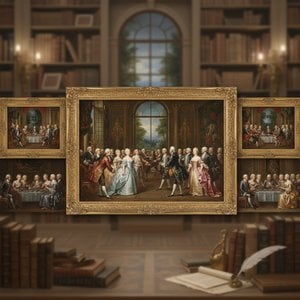
Življenje Williama Hogartha
London, leto 1697. Zrak v Bartholomew Close je preobladen z hrupom razvijajoče se metropole. Tukaj William Hogarth vstopa v svet nestabilnosti in negotovosti. Njegov oče, Richard Hogarth, se trdo bori za preživetje kot učitelj latinščine in avtor učebnic. družični finance nenehno nihajo; v nekem trenutku se Richard sooči z brutalno resnico zapetja zaradi dolgov v zaporu Fleet. Ta zgodnja izpostavljenost nestabilnosti mestnega življenja pusti neizbrisno sled. William Hogarth odrača v svetu, kjer opazuje razprazorčenost med družbenimi razredi, kar bo kasneje definiral njegovo kariero kot slikarja, gravirja, satiričarja, karikaturista in pisca.
Otrokova pot ni cesta dediščine ali lahkega pokrbništva. Namesto tega gre za življenje, ki ga je oblikovala trdnost in neizbivnost mesta. Skozi ulice Londona se pomika in opazuje likove, ki zapolnjujejo kavarne in sejme. Njegova mama, Anne Gibbons, mu zagotavlja domačega čuvaka v življenju, ki so ga pogosto obeležile gospodarske nihanja obdobja. Ko začne nastopati na umetnostni sceni, je že človek mnogih disciplin, ki s črnilo in barvo razčišča in analizira samo tisto družbo, ki ga je vzgojala.
- A Harlot's Progress (1731/1732)
- A Rake's Progress (1735)
- Marriage A-la-Mode (1743–1745)
Mladost, družina in izobraževanje
London, leto 1697. William, sin Richarda Hogartha, latinskega učitelja in občasnega pisca, odrača v svet, ki ga oblikujejo nenehne spremembe in neizvedena stabilnost človeka, ki se trudi vzdržati v neizprosni metropoli. Nestabilnost domačega okolja dobi vse bolj kritičen obem, ko je Richard zaradi neplačanih dolgov za pet let zaparlo v zapor Fleet. Ta obdobje trdnih preizkušenj, ki ga zaznamuje nestanovitnost družinskih financ, pusti neizbrisiv venčan pečat na mladem opazovalcu mestnega življenja.
Do leta 1714 se fokus premakne v tehnološke podrobnosti zanata. Hogarth se pridruži podlearničkovem obdobju pri Ellisu Gamblu, zlatarju in srebrjarju, ki je deloval v Leicester Fieldsih. Tam se uči natančnosti, ki je bila potrebna za izdelavo oglasnih kartic in podobnih izdelkov, hkrati pa razvija temeljito obvladovanje bakrene plošče. Ta tehnična podlaga mu nudi orodja za kariero, ki se bo kasneje razvila daleč 넘어 preprostih komercialnih reprodukcij.
Njegova življenjska pot se spremeni, ko se usmerja v urilno umetnostno študijo. Leta 1720 se vpiše v akademijo St Martin's Lane. Njegov razvoj se še dodatno širi pod mentorstvom Sir James Thornhill, kraljevega urnega slikarja Georgea I. Pod Thornhillom se težišče premakne iz drobnoobsežne natančnosti graviranja v širše kompleksnosti slikarstva in kompozicije. Tako se iz natančnega delo rokometnega mojstra prevesi v veličastno področje bele umetnosti.
Tehnika in umetniški slog
William Hogarth se premika med natančnostjo realistične portreture in hitro, sekvencialno energijo serij, ki podajo občutek podobnih stripom. On ne slika le slik; on gradi narrative. Ta pristop doseže svoj vrhunec v razvoju tistega, kar je imenoval »moderni moralni predmeti«, v metodi, kjer uporablja vizualno pripovedovanje za kritiko družbenega tkiva. Platno in bakrenna plošča sta za njega odral za razvijanje drame, kjer pogosto združuje humor in ostro satiro, da bi svoja sporočila vdelo v nepozabno moč.
Tehnična podlaga njegovega dela leži v njegovem mojstrovstvu v gravirališkem veštini. Razume težo črte in moč tiska, ki lahko doseže široko massesko publiko. Leta 1753 se preusmerja od vizualnega k teoretičnemu z objavo svojega dela Analiza lepote. Tu se izide iz zgolj opazovanja in kodificira svoje estetske teorije, pri čemer posebej poudarja pomen »serpentskega linije« kot temeljnega načela lepote in gibanja.
- A Harlot's Progress (1731/1732)
- A Rake's Progress (1735)
- Marriage A-la-Mode (1743–1745)
Ključna dela in serije
Narrativna moč Hogarthovega dela doseže svoj vrhunec v t.m. "modernih moralnih temah", seriji slik, zasnovanih tako, da delujejo kot vizualne novele. V letih 1731/1732
A Harlot's Progress
sledi tragičnemu padcu mlade ženske, ki pride v London, le da se ta hitro podda skušnjavam mesta. Ta vzor družbega degradacije se nadaljuje leta 1735 s delom
A Rake's Progress
, ki spremlja Toma Rakewella, ko ta porabi svojo dediščino za igre na srečo in razuzno življenje. Ta dela ne prikazujejo le posameznih scen; ona skozi drobnostno podrobnost in simbolične elemente kartirajo posledice moralnega razpada.
Fokus se premakne iz individualne uničitve v čudovni trk družbenih razredov v seriji
Marriage A-la-Mode
, ustvarjeni med letoma 1743 in 1745. Tu umetnik s podreznim humorom kritizira katastrofalne posledice zakrojenih mariage in nenehno težnjo po statusu. Napetost med zapadlimi notranjostmi bogatih in skorodnimi realnostmi revnih postane ponavljajoča se tema. Tudi v svojih poznejših letih ostaja njegov komentar izjemno oster. Leta 1748
O the Roast Beef of Old England
preispituje narodno identiteto, medtem ko
The March of the Guards to Finchley
iz leta 1750 prikazuje kaotičen in hvalen pogled na vojaško življenje, kjer se disciplinirane vrste v daljavi kontrastirajo z neukrotivnim vedenjem vojakov v ozadju.
- A Harlot's Progress (1731/1732)
- A Rake's Progress (1735)
- Marriage A-la-Mode (1743–1745)
- O the Roast Beef of Old England (1748)
- The March of the Guards to Finchley (1750)
Dediščina in trajni vpliv
XVIII stoletje je pričakalo nastop umetnosti, ki je bila izrazito britanska, pri čemer je k nastopu tega gibanja prisdelal William Hogarth s svojo zavrnitvijo kopiranja kontinentalnih vzorcev. Presegli je zmejo zgolj imitacije tujih slogov in vzpostavil vizualni jezik, globoko zakorenjen v ulicah Londona. Ta premik je bil izjemno pomemben; postal je najpomembnejši angleški umetnik svoje generacije. Njegov vpliv je bil tako razširjen, da se je v leksikon vključil izraz »hogarthovski«, ki opisuje njegovo specifično vrsto satiričnega opazovanja.
Komercialna realnost njegovega uspeha je prinesla tudi novo vrsto konfliktov. Ko so njegove grafike pridobil ogromno popularnost, so privabile tudi val nepooblaščenih reprodukcij. Plagiatorstvo je postalo nenečna grožnja njegovemu preživelju. Ta napetost je prisilila do pravnega soočenja, ki je spremenilo celotno podobo intelektualne lastnine. William Hogarth je lobiral za Zakon o avtorskih pravicah iz leta 1735, kar je bil korak, ki je zagotovil pravice ustvarjalcev pred tistimi, ki bi iz njihovega truda iztrgovali brez dovoljenja.
Njegova metoda pripovedovanja zgodb skozi zaporedne slike je postavila temelj za prihodne medije. Deluje kot neposredni predhodnik sodobne politične karikature in stripa. Z uporabo zaporedja slik za razlago družbenega vedenja je ponudil vzorec za vizualne narrative, ki temeljijo na branju, ne le na zgolj pogledu. Njegov vpliv se razprostira od satiričnih tiskov iz 1700-ih vse do samih temelj popularne kulture.
Kje si danes lahko ogledate njegova dela
Fizični sledi Hogarthovih družbenih kritik so še vedno razpršene po številnih prestižnih institucijah. V Londonu National Gallery čuva dela iz serije Marriage à la Mode, kjer je ohranjena vizualna narrativa družbega razpada. V bližini se v muzeju Tate Britain nahaja Satan, Sin and Death (A Scene from Milton), delo, ki izpostavlja njegovo sposobnost prevajanja kompleksnih literarnih tem v vizualno obliko. V mestu prisotna tudi Muzej Foundling, ki v svoji zbirki hrani The March of the Guards to Finchley, delo, ki zajema kaotično energijo vojaškega življenja XVIII stoletja.
Doseg njegovih del sega dlje od Britanije. V New Yorku the Frick Collection ohranja Miss Mary Edwards, portret, ki odraža njegovo veščitost pri zajemanju individualnega lika. Te zbirke omogočajo neposreden srečanje z specifičnimi detajli njegovih gravir in slik v njihovem izvornem kontekstu. Obiskovalci lahko njegov vpliv zaznajo v načinu, kako te institucije usklajujejo napetost med visoko umetnostjo in popularno satiro.


 Predogled v realnem okolju
 Pošlji
 Deli
Deli
 Podrobnosti o delu
 Priročnik

 Prenesi sliko
 Podobni izdelki
 Rentgenski posnetek
 Predvajaj diaporama
 Vprašanja in odgovori
 Statistika


 Preberi več
 Preklop na tiskanine





































 Možnost stekla je na voljo le za velikosti pod 110 cm