Življenje v senci in luči
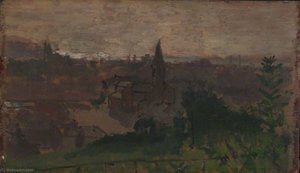
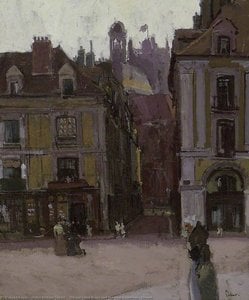
Walter Richard Sickert, rojen leta 1860 v Münchnu, je bil figura, ki je bila nenehno ujeta med svetove – Nemec po rodu, Britanec po posvojitvi in umetnik, ki je večno nihal med uveljavljenimi tradicijami slikarstva in nastajajočimi tokovi modernizma. Njegovo zgodnje življenje je bilo zaznamovano s premiki; družina se je leta 1868 preselila v Anglijo, spodbujena političnimi spremembami v Evropi, kar mu je vsadilo občutek razseljenosti, ki je morda spodbudilo njegovo celoživotno fascinacijo z tujci in marginaliziranimi osebnostmi. Čeprav je izviral iz rodu umetnikov – njegov oče Oswald Sickert je bil danski slikar – je mladi Walter sprva gojil ambicije za oder, kratek čas stopal na deske kot igralec ob priznanem Siru Henryju Irvingu. Ta zgodnja izpostavljenost performansu, umetnosti iluzije in karakterja bi globoko oblikovala njegovo umetniško vizijo, vsadila njegovim slikam teatralnost in psihološko globino, ki ga je ločila od sodobnikov. Vendar pa se je privlačnost vizualnega izražanja izkazala za močnejšo, kar ga je leta 1881 pripeljalo do vpisa na Slade School in kasneje postal predan učenec Jamesa Abbotta McNeilla Whistlerja. To mentorstvo je bilo pomembno, vsadilo mu je preference tonalnih študij, naslikanih *alla prima*, neposredno iz narave, ter prefinjeno estetsko občutljivost, ki bi podprla njegovo zgodnje delo. Vpliv Whistlerja ni bil zgolj tehničen; spodbudil je spoštovanje do umetniške neodvisnosti in pripravljenosti izzivati konvencionalne norme.
Londonova temna stran in privlačnost modernega življenja
Sickertova umetniška kompas se je hitro obrnila k živahnim, pogosto ostri realijam londonskega življenja. Očaral ga je ambient mestnih dvoran – prostorov, ki so prekipevali z energijo, spektaklom in raznolikimi družbenimi sloji. Njegove slike iz tega obdobja, kot je
Katie Lawrence at Gatti's, so opazne po neomajnem upodabljanju teh okolij in njihovih prebivalcev. To niso bili zgolj prikazi; to so bila raziskovanja modernega mestnega obstoja, ki so ujela minljive trenutke in surova čustva, doživeta v teh stenah. Iščal je slikanje življenja kot ga živi, ne pa idealizirano, kar je bilo radikalno odstopanje od viktorijanskih umetniških konvencij. Ta zaveza realizmu je sprožila kontroverze. Kritiki so njegove motive označili za “grde” in “vulgarne”, izzvali občutljivost, ki je dajala prednost idealiziranim predstavam. Sickertova pripravljenost upodabljati navadne ljudi, zlasti ženske igralke, z iskrenostjo in brez romantiziranja, je bilo provokativno dejanje, ki je napovedovalo premik k socialnemu realizmu v umetnosti 20. stoletja. Njegovo preživljanje časa v Dieppu, Francija, od leta 1894 naprej se je izkazalo za ključno, ponudilo nove perspektive na svetlobo, barvo in kompozicijo, medtem ko so njegovi kasnejši obiski Benetk dodatno oplemenitili njegov pristop k upodabljanju notranjih prostorov in kompleksnih ureditev figur. Ni samo beležil tisto, kar je videl; interpretiral ga je skozi izrazito osebni objektiv, vsakodnevnim prizorom vcepil občutek skrivnosti in psihološke napetosti.
Katalizator sprememb: Camden Town Group in dalje
Ob začetku 20. stoletja je postal Sickert osrednja figura v nastajajočem britanskem avantgardnem gibanju. Leta 1888 se je pridružil New English Art Clubu, s čimer se je uskladil z umetniki, ki so sprejeli francoske impresionistične principe. Pozneje je odigral ključno vlogo pri ustanovitvi Camden Town Groupa leta 1911 – kolektiva umetnikov, posvečenega upodabljanju modernih življenj z neomajno iskrenostjo in stilnimi inovacijami. Sickertov vpliv na to skupino je bil globok, spodbudil jih je, da se odmaknejo od tradicionalnih akademskih omejitev in raziščejo nove oblike izražanja. Zagovarjal je neromantično vizijo mestnega pokrajine, osredotočil se na vsakodnevne prizore in navadne ljudi. Njegove slike v tem obdobju so pogosto predstavljale nemirno tematiko, kot je njegova serija
Camden Town Murder, ki odraža naraščajočo fascinacijo s kriminalom in psihološko napetostjo. Ta pripravljenost soočiti se s težkimi temami je utrdila njegov ugled provokativnega in izzivalnega umetnika. Ni ga zanimalo samo upodabljati površine stvari; želel je prodreti v temnejše prostore človeške psihe, raziskovati teme odtujenosti, anksioznosti in moralne dvoumnosti.
Zapuščina in preostale skrivnosti
Zapuščina Waltera Richarda Sickerta sega daleč onkraj njegove plodovite produkcije. Bil je katalizator sprememb v britanskem slikarstvu, utiral pot naslednjim generacijam umetnikov, da so sprejele modernizem in raziskale nove smeri izražanja. Njegov vpliv je mogoče videti v delih številnih slikarjev, ki so sledili, zlasti tistih, povezanih z London Groupom in drugimi avantgardnimi gibanji. Sickertova pionirska duha, njegova zaveza realizmu in pripravljenost izzivati družbene norme še danes odmevata pri umetnikih. Medtem ko so kontroverze okoli njegovega življenja – vključno s spekulacijami o njegovi morebitni vpletenosti v umore Jacka Razparača – dodale plasti intrig njegove zgodbe, ne zmanjšajo njegovih umetniških dosežkov. Te teorije, čeprav jih znanstveniki večinoma zavračajo, govorijo o nemirni kakovosti njegovega dela in njegovi obsedenosti s temami nasilja in mestnega propada. Njegove slike ostajajo močni dokazi o spreminjajočem se svetu, ki ponujajo vpogled v življenja in izkušnje tistih, ki jih tradicionalna umetniška zgodovina pogosto zanemarja.
Bil je umetnik, ki si upal pogledati onkraj površine, soočiti se z neprijetnimi resnicami modernega življenja in jih ujeti na platno z neomajno iskrenostjo.
Ključni podatki in vplivi
- Rojen: 31. maj 1860, München, Bavarska
- Umrl: 22. januar 1942, Bathampton, Anglija
- Ključni vplivi: James Abbott McNeill Whistler, Edgar Degas
- Povezane skupine: New English Art Club, Camden Town Group
Sickertovo delo je mogoče najti v večjih muzejih po vsem svetu, kar zagotavlja, da njegova vizija še naprej navdihuje in provocira občinstvo za leta. Ostaja ključna figura v zgodovini britanskega slikarstva, umetnik, ki si upal izzivati konvencije in slikati svet, kot ga je videl – v vsej njegovi lepoti, grdoti in kompleksnosti.



 Preverite v realnem okolju
 Preklop na tiskanine
 Pošlji kot čestitko
 Deli
Deli
 Podrobnosti
 Priročnik

 Prenesi
 Podobni artefakti
 Rentgenski posnetek
 Predvajaj diaporama
 Statistika


 Preberi več