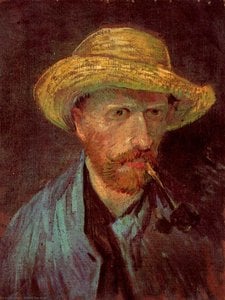
Vincent van Gogh: Življenje v barvah in strasti
Vincent Willem van Gogh, nizozemski slikar, katerega ime je sinonim za živahne barve in surove emocije, ostaja ena najbolj prepoznanih in ljubljenih osebnosti v zgodovini umetnosti. Rojen 30. marca 1853 v Zundertu na Nizozemskem, njegova pot od nemirnega mladeniča, ki je iskal smisel, do umetniškega vizionarja je ganljiva pripoved o predanosti, boju in končno trajni zapuščini. Čeprav med svojim življenjem ni dosegel velike komercialne uspešnosti – prodal je le eno sliko, *Rdečo vinograd*, preden je umrl – njegov vpliv na moderno umetnost je neizmeren, saj je utiral pot izrazništvu in navdihnil neshtetne umetnike, ki so sledili. Njegova zgodba ni le o potezah čopiča in platnih; je priča moči človeškega izraza v soočenju z stisko.
Zgodnja leta in umetniško prebujenje
Van Goghova zgodnja življenja je bila zaznamovana s serijo neizpolnjenih ambicij. Poskusil je roke v različnih poklicih – kot prodajalec umetnin, učitelj in celo misijonar – preden se je končno posvetil slikanju pri relativno pozni starosti 27 let. Te zgodnje izkušnje so globoko oblikovale njegov pogled na svet in našle pot v njegovo umetnost. Njegova prva dela, ki prikazujejo scene podeželskega življenja v Belgiji, odražajo globoko empatijo do delavskega razreda in temno paleto, ki odseva njihove težave. Pod vplivom umetnikov, kot je Jean-François Millet, se je Van Gogh trudil ujeti dostojanstvo in odpornost teh posameznikov s pomočjo surovega realizma. Vendar pa je njegov preskok v Pariz leta 1886 izkazal za prelomnico. Tam je spoznal impresionizem in postimpresionizem, vpijal tehnike mojstrov, kot so Monet, Renoir in Pissarro. Ta izpostavljenost je razširila njegova umetniška obzorja, vodila pa ga je k poskusom z živahnejšimi barvami in prosto potezo čopiča, hkrati pa ohranjal značilno čustveno intenzivnost, ki je bila pogrešana pri marsikaterem sodobniku. Njegov brat Theo, prodajalec umetnin, je igral ključno vlogo med tem obdobjem in mu zagotavljal finančno podporo ter deloval kot pomembna povezava s pariškim svetom umetnosti. Njihova razsežna korespondenca ponuja neprecenljive vpoglede v Van Goghovo umetniško rast in osebne težave.
Južno svetlobo in eksplozivno ustvarjalnost
Iščoč bolj živahno pokrajino in občutek obnove, se je Van Gogh leta 1888 preselil v Arles na jugu Francije. Ta premik je označil obdobje intenzivne ustvarjalne izdatnosti, zaznamovano z eksplozijo barv in značilno tehniko impasta – nanašanjem barve debele na platno, kar ustvarja teksturo, ki se zdi, da pulzira z energijo. Tukaj je ustvaril nekatere svoje najbolj ikonične slike: *Sončnice*, *Nočni kafeti* in *Zvezdna noč*. Intenzivna sončna svetloba v Provansi je očitno prižgala njegovo domišljijo, vodila pa ga je k upodabljanju pokrajin in navadnih predmetov z neprezročljivo živahnostjo. Njegova želja po umetniškem sodelovanju ga je spodbudila, da povabi Paula Gauguina v Arles, v upanju na ustanovitev utopične kolonije umetnikov. Vendar pa se je njihov odnos izkazal za burnih, kar je vrhunec doseglo z dramatičnim obračunom, ki je pripeljal do tega, da si je Van Gogh poškodoval uho. Ta dogodek je poudaril krhkost njegovega duševnega stanja in označil začetek obdobja institucionalizacije in naraščajoče psihološke stiske.
Poznejša leta in trajna zapuščina
Po zlomu se je Van Gogh prostovoljno vpisal v ustanovo v Saint-Rémyju, kjer je še naprej slikal izjemno produktivno, zajemal okoliško pokrajino s lepoto in turbulenco. Dela, kot je *Zvezdna noč*, ustvarjena med tem časom, so prežeta s čutom kozmične čudežnosti in globoke čustvene globine. Kasneje se je preselil v Auvers-sur-Oise pod skrbjo dr. Paula Gacheta, vendar njegove težave niso izčele. 29. julija 1890 je Van Gogh tragično umrl zaradi samomorilske strelne rane pri starosti 37 let. Kljub temu, da med svojim življenjem ni dosegel velike prepoznave, je njegova dela kmalu po njegovi smrti začelo ceniti svetovno, predvsem zahvaljujoč vztrajnemu delu njegove žene, Johanne van Gogh-Bonger, ki je podedovala njegovo zapuščino in se posvetila promociji njegove umetnosti. Danes so Van Goghova dela proslavljena po vsem svetu zaradi čustvene intenzivnosti, inovativnih tehnik in trajne lepote. Njegova zapuščina sega daleč onkraj platna; postal je simbol umetniške strasti, vztrajnosti v soočenju z stisko ter moči umetnosti, da izraža najgloblja človeška čustva.
Ključni vplivi in umetniška razvo
- Zgodnji realizem: Upodobitve podeželskega življenja Jean-François Millet so vplivale na Van Goghove zgodnje slike.
- Impresionizem & Postimpresionizem: Izpostavljenost Monetu, Renoirju, Pissarrou in drugim v Parizu je razširila njegovo paleto barv in tehniko.
- Japonski natisi: Van Gogha so globoko vplivali japonski lesorezi, ki jih je zbirateljsko hranil. Njihove krepke kompozicije in ravne ravnine barve so prišle do izraza tudi v njegovem lastnem slogu.
- Čustveno izražanje: Predvsem se je Van Gogh trudil izraziti čustva s svojo umetnostjo, prioritiziral subjektivno izkušnjo nad objektivnim prikazom. Ta poudarek na čustveni intenzivnosti je postal definiran značilnost njegovega dela in utrla pot izrazništvu.



 Preverite v realnem okolju
 Preklop na tiskanine
 Pošlji kot čestitko
 Deli
Deli
 Podrobnosti
 Navodila

 Prenesi
 Podobni artefakti
 Rentgenski posnetek
 Predvajaj diaporama
 Statistika

 Preberi več






































 Možnost stekla je na voljo le za velikosti pod 110 cm