Življenje vrezano v črnilo in les: Svet Tsukioke Yoshitosija
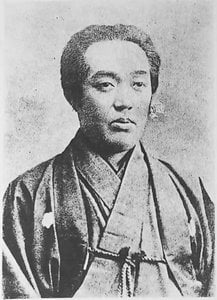
Tsukioka Yoshitosi, rojen kot Owariya Yonejiro leta 1839 sredi živahnih ulic starega Eda (sodobnega Tokia), stoji kot pomemben lik v zgodovini japonske umetnosti. Široko je proslavljen kot zadnji veliki mojster *ukiyo-e*, "slike plavajočega sveta", vendar ga omejevati zgolj na ta naslov zdi nezadostno. Yoshitosi ni bil le ohranjatelj tradicije; bil je inovator, vizualni pripovedovalec, ki se je pogumno lotil nemirnega duha Japonske v obdobju radikalne spremembe. Njegovo življenje se je razvijalo na ozadju družbenega pretresa – propadanja Tokugavskega šoguna, obnove Meiji in hitrega vnosa zahodnih idej – vse to je globoko oblikovalo njegovo umetniško vizijo. Od skromnega začetka kot sina trgovca, ki se je povzpel v položaj samuraja, ga je pot pripeljala do vajeništva pri Utagawa Kuniyoshiju, mojstru, katerega vpliv bi bil neizbrisna sled. To oblikovno obdobje mu ni le vdihnilo tehnične spretnosti, temveč tudi globoko cenjenje za pripovedovanje in dinamično kompozicijo.
Od vajeništva do umetniške samostojnosti
Yoshitosijeve prve leta so bila prežeta z rigorozno disciplino *ukiyo-e* usposabljanja pod vodstvom Kuniyoshija. Absorbiral je tehnike svojega mojstra, pilil svojo risbo in se učil pretvarjati zgodbe v prepričljive vizualne oblike. Kmalu pa je začel krmariti po lastni poti. Čeprav je sprva deloval znotraj uveljavljenih konvencij, je kmalu pokazal pripravljenost, da preseže meje, zlasti v svojih prizorih nasilja in smrti. To niso bile brezveze razstavljanje, temveč odraz nemira dobe in osebnih tragedij – izguba očeta in Kuniyoshija je močno vplivala na njegovo umetniško smer. Sredina šestdesetih let 19. stoletja je prinesla Yoshitosiju prepoznavanje kot "krvnih natisov", serije, ki so se odlikovale s grafičnimi podrobnostmi in dramatično intenzivnostjo. Serije, kot je *Eimei nijûhasshûku* (Dvaintrideset slavnih moril z verzom), so šokirale in očarale občinstvo ter prikazovale prizore brutalnih umorov, upodobljenih s presenetljivo realnostjo. Ta pripravljenost na soočanje s temnimi temami ga je ločila od mnogih njegovih sodobnikov. Eksperimentiral je z različnimi serijami in predmeti, vključno priljubljeno *Tsūzoku saiyūki* ("Sodobna potovanje na zahod") in *Wakan hyaku monogatari* ("Sto zgodb iz Kitajske in Japonske"), kar je dokazovalo vsestranost, ki je še dodatno utrdila njegov ugled.
Inovacije v spreminjajočem se svetu
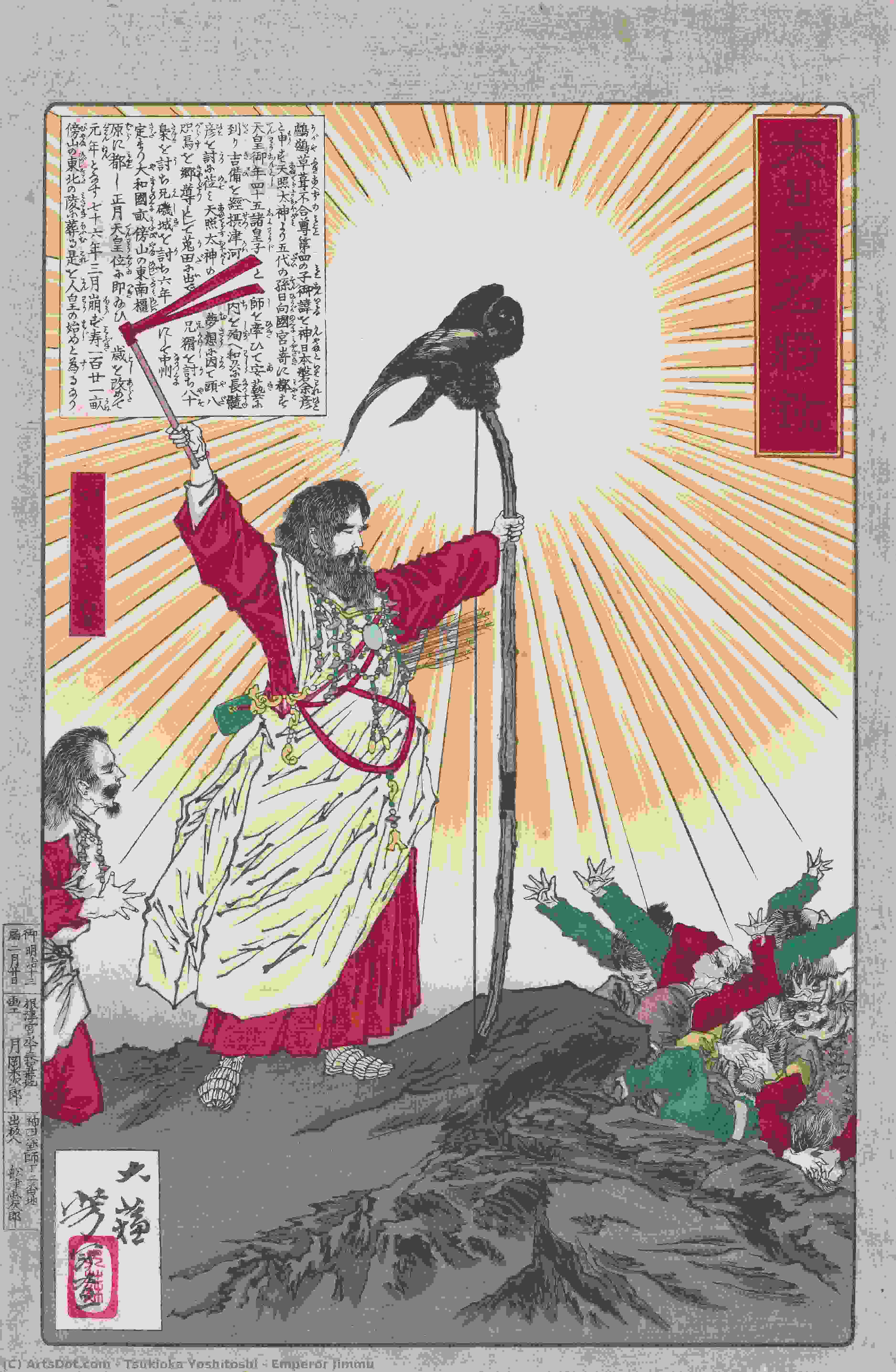
Yoshitosijev genij ni le v tem, kaj je prikazal, ampak tudi v umetniški tehniki. Mojstrsko je združil tradicionalno japonsko estetiko z zahodnimi vplivi in vključil elemente perspektive in kompozicije, ki jih je pridobil iz uvoženih natisov in gravur. Ta fuzija je ustvarila edinstven vizualni jezik, ki je bil tako posebej japonski kot presenetljivo sodoben. Ko je Japonska sprejela modernizacijo, so nove tehnologije, kot sta fotografija in litografija, ogrozile samo obstoj *ukiyo-e*. Yoshitosi je prepoznal ta izziv in se odzval z dvigom svoje obrti na dosedaj nepredvidene ravni umetnosti. Eksperimentiral je z barvnimi paletami, izboljšal tehnike rezanja in potisnil meje pripovednega pripovedovanja v leseni tehniko. Serija *Musha Burui* (Tiskovi o vojakih) to ponazori – vsak natis dinamičen izbruh akcije in čustev, ki prikazuje njegovo spretnost pri upodabljanju herojskih figur in dramatičnih bitk. Razumel je, da mora *ukiyo-e* evolvirati, da bi preživel, in se je zavezal, da bo zagotovil njegov nadaljnji pomen.
Zapuščina in trajni vpliv
Kljub izjemnim izzivom – finančni stiski, osebnim težavam in propadanju tradicionalnih umetniških oblik – je Yoshitosi ostal zvest svoji predanosti *ukiyo-e*. Neustanovljivo je deloval do svoje smrti leta 1892 in za seboj pustil obsežno delo, ki še danes navdihuje občudovanje. Čeprav je njegov neposredni vpliv na prihodnje generacije japonskih umetnikov sporen, ni dvoma o njegovem zgodovinskem pomenu. Yoshitosi stoji kot zadnji veliki mojster *ukiyo-e*, ključna figura, ki je ohranila in izboljšala umetnost v obdobju globokih sprememb. Njegova pogum, vizija in neomajna predanost sta zagotovila, da se bo duh "plavajočega sveta" nadaljeval za prihodnje generacije. Danes so njegovi natisi proslavljeni v muzejih in zbirkah po vsem svetu, kot dokaz njegove trajne umetniške zapuščine.
Zadnji dotik: Yoshitosijev trajni vpliv
- Ohranjanje tradicije: V hitro modernizirani Japonski je Yoshitosi zagovarjal tradicionalne tehnike tiskanja na lesu.
- Umetniška inovacija: Brezhibno je združil japonsko estetiko z zahodnimi vplivi in ustvaril edinstven in dinamičen stil.
- Pripovedovalna moč: Njegovi natisi so znani po prepričljivem pripovedovanju zgodb in dramatični intenzivnosti.
- Zgodovinsko dokumentiranje: Yoshitosijevo delo ponuja dragocen vpogled v družbeno, politično in kulturno pokrajino Japonske v 19. stoletju.
- Pričevanje njegove trajne zapuščine je še danes cenjenje njegove umetnosti s strani zbiralcev in ljubiteljev umetnosti po vsem svetu.
Yoshitosijevo življenje je bila borba proti času, pogumna prizadevanja za ohranitev dragocene umetniške tradicije v soočenju z ogromno spremembo. Ne samo, da je uspel ohraniti *ukiyo-e*, ampak ga je tudi izboljšal in za seboj pustil delo, ki še danes očara in navdihuje. Njegovi natisi niso le čudoviti predmeti; so okna v preteklost, močni izrazi človeških čustev in trajni simbol umetniške odličnosti.


 Preverite v realnem okolju
 Naročite ročno slikano reprodukcijo
 Pošlji kot čestitko
 Deli
Deli
 Podrobnosti
 Navodila

 Prenesi
 Podobni artefakti
 Rentgenski posnetek
 Predvajaj diaporama
 Statistika
 Preberi več






































 Možnost stekla je na voljo le za velikosti pod 110 cm