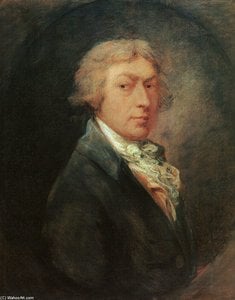
Pridobite datoteko, pripravljeno za tiskanje, ki presega kakovost spletnega predogleda. Vsaka digitalna slika v naši ponudbi izvira iz visoko ločljive izvirne datoteke v naši bazi — običajno široke od 5.000 do 15.000 pikselov — zato lahko z zaupanjem tiskate v večji format, tesno izrezujete ali reproducirate fine podrobnosti.
Nobena datoteka ne zapusti našega studia nedotiknjena. Digitalni strokovnjak preveri barve v primerjavi z izvirno sliko in jih po potrebi popravi, nato pa s profesionalnimi orodji za retuširanje izboljša jasnost in podrobnosti — pri čemer vedno ostaja zvest umetnikovim potezam in slogu. Rezultat je slika, ki izgleda kot samo slikarstvo, ne pa kot le filtriran sken.
Potrditev pred dokončanjem dela: naš strokovnjak vam v roku 72 ur pošlje sliko po e-pošti na pregled. Niste zadovoljni? Zahtevajte izboljšave ali popravke ali prosite za povračilo denarja, če kakovost ni v skladu z pričakovanimi standardi.
To je kakovost, po kateri temeljijo založniki, oblikovalni studii, galerije in tiskarne.
Prenesite datoteko visoke ločljivosti za osebno uporabo, tiskanje in kreativne projekte. ( Preklop na tiskanine Kupite ročno slikano delo)
Z izbiro WahooArt.com ne prejmete le slike – prejmete profesionalno urejeno digitalno umetniško delo, izdelano z največjo natančnostjo in zavestno podprto z garancijo za zadovoljstvo. Tukaj je vse, kar bo z vašim naročilom samodejno priloženo:
Vaša digitalna slika visoke ločljivosti bo na vaš e-naslov poslana v roku 72 ur od zaklopa naročila – pripravljena za takojšnjo uporabo.
Vaše umetniško delo je strokovno optimizirano z uporabo naprednih orodij umetne inteligence in ročne obdelave, kar zagotavlja največjo stopnjo podrobnosti, jasnosti in barvne natančnosti.
Ste datoteko zaradi nespremietne napake izgubili ali izbrisali? Ni težav – vam jo bomo ponovno poslali kadar koli in brezplačno.
Svoje umetniško del uživajte takoj, brez carin, davkov ali stroškov dostave – digitalni prenosi so vedno brezdavčni.
Z uporabo profesionalnih orodij in procesov upravljanja barv zagotavljamo, da vaša digitalna slika čim bolj natančno odraža prvotne barve.
Če niste zadovoljni s svojo digitalno sliko, jo bomo uredili ali vam v 100 dneh povrnili 100% denarja – brez kakršnih koli vprašanj.
Niste zadovoljni? Zagotavljamo vam popoln povračilo sredstev v 100 dneh po prejemu digitalne datoteke – brez dodatnih vprašanj.
Kupite 3 slike, prihranite 10% - Kupite 5 slik, prihranite 15% - Kupite 10+ slik, prihranite 20%. Odlično za kreativne projekte, galerije in agencije.

Thomas Woodward, born in the bustling heart of London in 1801, emerged as a profound and biting voice during one of the most transformative eras in British history. The Victorian age, characterized by the relentless march of industrialization and deep-seated social upheaval, provided the perfect canvas for an artist possessed of both technical mastery and a keen eye for human fraelity. Woodward’s artistic vision was not merely a product of his time but was deeply rooted in an intellectual upbringing that embraced the grandeur of classical literature and the complexities of philosophy. This foundation allowed him to infuse his satirical engravings with a layer of sophistication, moving beyond simple mockery to offer astute observations on the follies of contemporary society.
His journey into the world of fine art began through a rigorous apprenticeship under the celebrated engraver George Moutard Woodward. It was during these formative years that he mastered the intricate techniques of mezzotint printing, a medium renowned for its ability to manipulate light and shadow to create rich, velvety tones. This technical prowess became the cornerstone of his career, enabling him to capture the subtle nuances of emotion and character that defined his work. Beyond the workshop, Woodward drew inspiration from the epic narratives of Homer’s Iliad and Odyssey, a passion that instilled a sense of dramatic composition and classical weight within even his most humorous caricatures.
As his reputation grew, Woodward became a sought-after talent for publishers looking to capture the zeitgeist of the nineteenth century. His career was marked by an extraordinary ability to translate the energy of London life into visual narratives that resonated with both the elite and the common observer. A significant portion of his artistic legacy is tied to his brilliant collaborations, most notably with fellow engravers such as Rowlandson. Together, they forged a partnership that produced some of the era’s most iconic satirical prints, tackling the pressing anxieties of the day—from the shadows of parliamentary corruption to the dizzying, often frightening, pace of industrial progress.
While much of his fame rests upon the sharp wit of his engravings, Woodward also demonstrated a remarkable versatility in more traditional mediums. His ability to pivot from the biting edge of caricature to the tender, evocative beauty of oil painting reveals an artist of immense depth. In works such as A Greyhound in Pursuit of a Hare, one can witness his mastery of dynamic movement and the raw energy of the natural world. Similarly, his more contemplative pieces, like The Shepherd Boy with His Dogs, showcase a Romantic sensibility, utilizing impasto techniques to celebrate childhood innocence and the quiet majesty of nature.
The significance of Thomas Woodward lies in his dual role as both a chronicler of social truth and a master of technical printmaking. He did not merely observe the Victorian era; he interrogated it. Through his lens, the contradictions of a society caught between tradition and modernity were laid bare, often through the medium of laughter. His work serves as a vital historical document, capturing the textures, tensions, and triumphs of a London in flux.
Today, the works of Woodward continue to captivate art historians and enthusiasts alike, standing as a testament to a period of unparalleled artistic experimentation. His contributions can be summarized through several enduring impacts:
Though his life was relatively short, ending in 1852, the echoes of Woodward’s wit and the precision of his hand remain etched in the annals of British art history, reminding us of the power of art to reflect, critique, and ultimately immortalize the human condition.

1801 - 1852
 Predogled v realnem okolju
 Pošlji
 Deli
Deli
 Podrobnosti o delu
 Priročnik

 Prenesi sliko
 Podobni izdelki
 Rentgenski posnetek
 Predvajaj diaporama
 Vprašanja in odgovori
 Statistika

 Preberi več