


Giclée ali platnati odtis muzejske kakovosti z hitro proizvodnjo in prilagodljivimi možnostmi končne obdelave. ( Kupite ročno slikano delo Preklop na digitalno sliko)





























Izberite eno od naših vnaprej določenih velikosti, ki ustrezajo prvotnim proporcijam umetničkega dela.

Vnesite širino in višino, ki jih potrebujete za svoj okvir ali steno. Tiskanje se lahko le odreže, vendar ga ni mogoče narediti večjega od slike, zato format z drugačno obliko pomeni izgubo dela slike. Pred tiskanjem vam pošljemo digitalni predogled za potrditev. Slika, prikazana na tej strani, ne prikazuje dejanskega izrezka — le predogled to omogoča.
Globalna dostava () v 2 tednih namesto standardnih 4/5 tednov. (11 november)
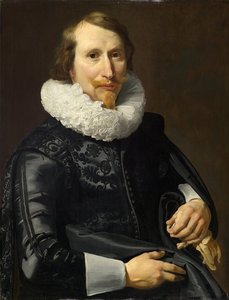
A Lady
Velikost reprodukcije
The year is 1632. Amsterdam thrives as the epicenter of the Dutch Golden Age, a period brimming with artistic innovation and opulent patronage. Within this vibrant scene emerges Thomas de Keyser, a painter whose skill lay not merely in capturing likeness but in distilling the very essence of his subjects – a talent brilliantly showcased in his captivating portrait, “A Lady.” This oil-on-oak panel painting, currently residing within the esteemed Staatliche Museen in Berlin, is more than just a depiction; it’s an invitation into a world of refined elegance and subtle psychological depth.
De Keyser's style, heavily influenced by both the meticulous detail of Flemish masters like Anthony van Dyck and the dramatic lighting favored by Rembrandt, results in a remarkably lifelike portrayal. The lady before us is presented with a poise that speaks volumes – her posture relaxed yet undeniably regal, her gaze direct and engaging. Notice how De Keyser masterfully employs chiaroscuro, the masterful use of light and shadow, to sculpt the figure, drawing attention to her face and hands while subtly enveloping the background in a veil of mystery. The dark interior, punctuated by the warm glow emanating from an unseen window, creates a sense of intimacy and draws the viewer into the scene.
A closer examination reveals a wealth of detail that speaks volumes about the era. The lady’s attire is a testament to the fashion of 17th-century Holland – a black bodice adorned with intricate gold trim and delicate lace, suggesting both wealth and status. The elaborate headwear, a white ruff collar framing a dark hat embellished with what appear to be feathers or decorative elements, further emphasizes her position within society. These aren’t merely decorative choices; they are carefully selected symbols of power, refinement, and social standing.
The background, far from being mere decoration, plays an integral role in the painting's narrative. The dark room, with its wooden floor featuring a subtle checkered pattern, evokes a sense of luxury and opulence – a space designed for contemplation and quiet enjoyment. The glimpse of a red velvet drape hints at hidden treasures and adds a touch of dramatic flair. De Keyser’s brushwork is remarkably precise, particularly evident in the rendering of the lace and the folds of the fabric. He utilizes layering techniques to create texture and depth, ensuring that every element contributes to the overall sense of realism.
Understanding “A Lady” requires a glimpse into the context of its creation. Thomas de Keyser was a prominent figure in the Dutch art world during this period, renowned for his portraits and genre scenes commissioned by wealthy merchants and nobility. His work reflects the prosperity and cultural flourishing of the Netherlands – a nation at the forefront of artistic innovation and trade. The painting offers a fascinating window into the lives of the elite, revealing their values, aspirations, and aesthetic sensibilities.
Furthermore, De Keyser’s connection to Hendrick de Keyser, his father—a celebrated architect and sculptor who shaped Amsterdam's skyline—provides an intriguing layer of familial legacy. This lineage undoubtedly influenced Thomas’s artistic development, imbuing his work with a sense of technical mastery and architectural awareness. The painting stands as a testament not only to De Keyser’s individual talent but also to the enduring influence of his family’s artistic heritage.
Today, “A Lady” continues to captivate viewers with its timeless beauty and psychological depth. WahooArt offers meticulously crafted hand-painted reproductions that faithfully capture the essence of De Keyser's masterpiece. These reproductions are not mere copies; they are artistic interpretations imbued with the same attention to detail, technique, and emotional resonance as the original. Whether adorning a grand salon or a more intimate space, a reproduction of “A Lady” brings a touch of Dutch Golden Age elegance and sophistication to any setting.
For those seeking further information on Thomas de Keyser and his remarkable oeuvre, we encourage you to explore resources such as WahooArt.com and the Staatliche Museen in Berlin’s website. And for a deeper dive into the life and works of this pivotal artist, Wikipedia offers a comprehensive overview of his biography and artistic contributions.
Ročno slikane kopije dela "A Lady" avtorja Thomas De Keyser so na voljo na spletnem mestu ta spletna stran: ročno slikana oljna reprodukcija na lnenem platnu, kjer jih lahko naročite preko strani Ročno slikana reprodukcija.
V celotnem delu umetnika Thomas De Keyser se delo "A Lady" prikloni slogu Dutch Golden Age, ki vključuje tematiko rembrandt influence, dutch realism, courtly life, social status, wealthy elite, patronage system, portraiture tradition, idealized beauty.
"A Lady" izživa Reflective čustveni ton v okviru gibanja Dutch Golden Age.

V živahnem, vročnem srcu Amsterdama 17. stoletja, v obdobju, ki ga zaznamuje nepredstavljivo bogastvo in kulturno cvetenje, se je Thomas de Keyser uveljavil kot močna sila v svetu portretne umetnosti. Rodil se je leta 1596 v okolju, prežeto z arhitekturno veličastnostjo, kot sin legendarnega Hendricka de Keyserja, arhitekta, katerega roka je oblikovala celo panoramo Amsterdama. Ta dediščina vrhunskega okusa je prinesla več kot le priimek; nudila je temeljno razumevanje strukture, prostora in fizične prisotnosti predmetov, kar je kasneje dalo pečat njegovemu pristopu k človeški obliki. Odraščanje med kamnotemori lungo reke Amstel je v njem utrdilo svet, kjer sta umetnost in arhitektura neločljivo povezana, kar je spodbudilo tehnično natančnost, ki bo postala njegov znakovni pečat.
Njegova umetniška pot se je še dodatno izpilila skozi formalno izobraževanje pri Cornelisu van der Voortu, kar ga je uvedlo v humanistične ideale in sofisticirane kompozicijske tehnike tistega časa. Ko je zoren del, se je De Keyserjev slog začel prelivati v nekaj zares edinstvenega – most med natančnim detajlim poznega renesančnega obdobja in dramatično, psihološko intenzivnostjo vzrastajoče barokne gibanja. Čeprav so njegova zgodnja dela prikazovala močno zanimanje za formalno eleganco njegovih predhodnikov, je kmalu razvil sposobnost zajemanja žive realnosti svojih motivov, pri čemer se je premaknil od zgolj podobnosti do dotika same bistvine njihovega značaja.
Da bi razumeli De Keyserjevo briljantnost, je treba raziskati zapleten odnos med njegovim delom in stvarjstvo Rembrandta van Rijna. Čeprav ga pogosto opisujejo kot sodobnika, ki je delil revolucionarni duh obdobja, so De Keyserjev pristop k svetlobi in senci – slavni chiaroscuro – odmevali v dramatičnih inovacijah, ki jih je zagovarjal Rembrandt. Vendar pa je De Keyser posedoval edinstveno jasnost; tam, kjer bi Rembrandt lahko obliko raztopil v globokih, skrivnostnih sencah, je De Keyser pogosto ohranil ostre linije in svetlobno kakovost tekstur. Bil je mojster taktilnosti, ki je z skoraj znanstveno natančnost zmogel prikazati težek sij silk, zapletene vzorce čipke in subtilno, prežeto kožo starejšega trgovca.
Ta predanost realizmu je iz njega naredila izključnega portretista za vzrastajoči trgovski razred Nizozemske republike. Njegova sposobnost uravnoteženja prestiža njegovih modelov z globokim občutkom psihološke resničnosti mu je omogočila ustvarjanje del, ki so služila tako kot simboli statusa in kot intimne študije značaja. V svojih skupinskih portretih je pokazal izjemno sposobnost organiziranja kompleksnih postavitev figur, s čim je poskrbel, da vsaka oseba ohranja svojo ločeno identiteto, hkrati pa prispeva k povezanemu zapisu kolektivne občutka mestnega ponosa. Njegov čopček, čeprav natančen, nikoli ni deloval statično; v njegovih kompozicijah obstaja ritmična vitalnost, ki v zamrznjene trenutke 17. stoletja vnaša nov življen!
Dosežki Thomasa de Keyserja se segajo daleč čez platno in predstavljajo pomembno poglavje v zgodovini severnoevropske umetnosti. Njegova kariera se je zaznala z vrhuncem nizozemskega zlatega obdobja, časa, ko je Nizozemska utrjujevala svojo identiteto skozi trgovino, znanost in umetnost. Z dokumentiranjem obrazov tega obdobja – od bogatih meščanov do vplivnih voditeljev – je zagotovil vizualni zapis družbe v prehodu. Njegovo del služi kot okno v socialne hierarhije, modo in vrednote obdobja, ki ga je opredila pomorska moč in protestantska delavnost.
Skupaj z njegovo življenjem in dediščino njegova prispevanja k umetniškemu svetu definira nekaj ključnih elementov:
Čeprav ga zgodovina včasih postavlja v senco Rembrandta, De Keyserjeva pomembnost ostaja neustrajna. Ni bil zgolj imitator veličine, temveč pionir po svoji lastni liniji, ki je nizozemski tradiciji prispeval specifično mero jasnosti in strukturne elegance. Danes njegova dela še vedno očarajo tako raziskovalce kot ljubitelje umetnosti ter stojijo kot trajni spomeniki mojstru, ki je znal zajeti tako zunanji sjaj kot tudi notranjo dušo svojega časa.
1596 - 1667 , Nizozemska

Embark on a sophisticated journey through the Dutch Golden Age. Unveil the dramatic brilliance of Rembrandt’s chiaroscuro and the expressive landscapes of 17th-century masters in this authoritative exploration of light, shadow, and enduring artistic legacy.
 Predogled v realnem okolju
 Pošlji
 Deli
Deli
 Podrobnosti o delu
 Priročnik

 Prenesi sliko
 Podobni izdelki
 Rentgenski posnetek
 Predvajaj diaporama
 Vprašanja in odgovori
 Statistika


 Preberi več









 Možnost stekla je na voljo le za velikosti pod 110 cm


