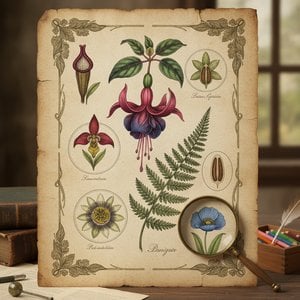
Thomas Chippendale: Revolutions in Georgian Interior Design
Thomas Chippendale (1718–1779) stands as an undisputed titan of British furniture design during the Georgian era, fundamentally reshaping aesthetic sensibilities and establishing a legacy that continues to resonate within contemporary interior decoration. More than merely crafting beautiful objects, Chippendale instigated a paradigm shift—moving away from ornate Baroque extravagance towards a restrained elegance rooted in classical principles while simultaneously embracing Rococo flourishes.
- Early Life & Apprenticeship: Born in Otley, Yorkshire, Chippendale’s formative years were spent honing his woodworking skills as an apprentice under Richard Wood, absorbing the traditions of English craftsmanship. This foundational training instilled a meticulous attention to detail and a dedication to quality that would characterize his entire career.
- The Gentleman and Cabinet Maker's Director: Published in 1754, Chippendale’s magnum opus—The Gentleman and Cabinet Maker’s Director—was nothing short of revolutionary. This meticulously illustrated catalogue presented over 160 engraved plates showcasing a breathtaking diversity of furniture designs spanning various styles, from Chippendale’s signature Rococo to burgeoning neoclassical influences. It effectively democratized design knowledge and established Chippendale as the foremost authority on contemporary trends.
- Influence & Legacy: Chippendale's impact extended far beyond his own workshop; he profoundly influenced subsequent generations of designers. His embrace of Palladian ideals—characterized by symmetry, proportion, and classical ornamentation—became a cornerstone of Georgian architecture and interior design. The enduring popularity of Chippendale furniture testifies to its timeless beauty and enduring relevance.
A Symphony of Form & Function: Analyzing Chippendale’s Style
Chippendale's aesthetic philosophy prioritized both form and function, reflecting the Enlightenment preoccupation with rationalism while simultaneously acknowledging the importance of sensory pleasure. Unlike the flamboyant excesses of earlier periods, Chippendale championed understated elegance—a deliberate rejection of ostentation in favor of refined craftsmanship and harmonious proportions. This stylistic approach was meticulously executed through a masterful blend of Rococo curvilinear motifs and classical geometric patterns.
- Rococo Flourishes: Chippendale skillfully incorporated Rococo ornamentation—such as shell carvings, scrolls, and floral garlands—into furniture designs, creating pieces that evoked the opulent grandeur of Versailles. However, he tempered these flourishes with restraint, ensuring they complemented rather than overwhelmed the overall composition.
- Neoclassical Inspiration: Simultaneously, Chippendale drew inspiration from Palladian architecture, adopting principles of symmetry and balance to achieve visual harmony. This fusion of Rococo and Neoclassical styles cemented Chippendale’s position as a pioneer of transitional design.
Technique & Materials: Craftsmanship Elevated
Chippendale's reputation for excellence rested upon his unparalleled mastery of woodworking techniques—primarily dovetail joints, mortise-and-tenon construction, and inlay work. He utilized premium materials such as mahogany, satinwood, rosewood, and ebony, transforming them into objects of breathtaking beauty and durability. The meticulous attention to detail evident in every piece—from the delicately carved ornamentation to the flawlessly fitted surfaces—underscored Chippendale’s commitment to uncompromising quality.
- Watercolor & Gouache: Chippendale predominantly employed watercolor and gouache pigments on paper, achieving translucent hues that captured the subtle nuances of natural light. This technique allowed for exceptional precision in rendering textures and creating luminous effects—a hallmark of Chippendale’s distinctive visual style.
- Frame Construction: Chippendale's frames were constructed with meticulous care using hardwood timbers—typically oak or mahogany—and embellished with gilded moldings that complemented the furniture’s aesthetic character. These frames served not only to support the artwork but also to enhance its overall visual impact.
Symbolism & Emotional Resonance
Beyond mere decoration, Chippendale's designs communicated profound symbolic meanings—reflecting Enlightenment ideals of reason and order while simultaneously evoking feelings of comfort, sophistication, and refined taste. The incorporation of floral motifs—particularly roses and lilies—represented purity and beauty—themes central to Georgian sensibilities. Chippendale’s furniture embodies a celebration of human intellect and artistic achievement—a testament to the enduring power of design to inspire contemplation and elevate the human spirit.
- Reflection of Georgian Values: Chippendale's aesthetic choices mirrored the broader cultural landscape of his time—emphasizing balance, harmony, and restraint as expressions of aristocratic virtue.
- Timeless Elegance: The enduring appeal of Chippendale furniture lies in its ability to transcend stylistic trends—remaining relevant and inspiring across centuries due to its inherent beauty and masterful craftsmanship.
Conclusion
Thomas Chippendale’s legacy extends far beyond the furniture he created; he fundamentally transformed the visual culture of Britain, establishing a standard for elegance and sophistication that continues to influence interior design today. His unwavering dedication to technique, his embrace of classical principles blended with Rococo flourishes, and his profound understanding of symbolism solidify his place as one of history’s most influential designers—a figure whose work embodies the spirit of the Georgian era and speaks eloquently to our own appreciation for beauty and craftsmanship.
Vprašanja in odgovori
Kakšen je splošni vzduh dela "India Picture" avtorja Thomas Chippendale?
Splošni vzdug umetninine "India Picture" avtorja Thomas Chippendale je Serojno. Ta vzdug opisuje splošno atmosfero dela.
Kakšno je barvno intenzivnost dela "India Picture" avtorja Thomas Chippendale?
Intenzivnost barv dela "India Picture" je Monokromatski. Intenzivnost opisuje, kako močne se zameščajo barve.
Kje lahko vidim predogled za "India Picture"?
Stran Predogled za delo "India Picture" vam omogoča ogled umetnin pred naročilom.



 Preverite v realnem okolju
 Naročite ročno slikano reprodukcijo
 Pošlji kot čestitko
 Deli
Deli
 Podrobnosti
 Priročnik

 Prenesi
 Podobni artefakti
 Rentgenski posnetek
 Predvajaj diaporama
 Statistika


 Preberi več






































 Možnost stekla je na voljo le za velikosti pod 110 cm