

Umetniška dela, prikazana na tej strani, so zaščitena z avtorskimi pravicami, kar pomeni, da po zakonu ne moremo ustvarjati ali prodajati identičnih reprodukcij. Ta zaščita se izvaja v skladu z mednarodnimi sporazumi, kot so Bernska konvencija in po nacionalnih zakonih, vključno s tistimi, ki jih določa Zakon o avtorskih pravicah ZDA – naslov 17.
Ta način v celoti upošteva zakonodajo o avtorskih pravicah, saj ne vključuje kopiranja ali podvajanja zaščitenga umetniškega dela. Namesto tega gre za kreativno preinterpretacijo – novo sliko, ki je navdihnjen rezultat originala, vendar ni z njim identična.
Giclée ali platnati odtis muzejske kakovosti z hitro proizvodnjo in prilagodljivimi možnostmi končne obdelave. ( Kupite ročno slikano delo Preklop na digitalno sliko)
Izberite eno od naših vnaprej določenih velikosti, ki ustrezajo prvotnim proporcijam umetničkega dela.

Vnesite širino in višino, ki jih potrebujete za svoj okvir ali steno. Tiskanje se lahko le odreže, vendar ga ni mogoče narediti večjega od slike, zato format z drugačno obliko pomeni izgubo dela slike. Pred tiskanjem vam pošljemo digitalni predogled za potrditev. Slika, prikazana na tej strani, ne prikazuje dejanskega izrezka — le predogled to omogoča.
Globalna dostava () v 2 tednih namesto standardnih 4/5 tednov. (9 november)
Martial Attire
Velikost reprodukcije
Umetnostni smer, ki jo zastopa "Martial Attire" avtorja Sun Pengzu, je Contemporary Realism. Ta klasifikacija delo uvršča med sorodne umetnike in umetniška dela.
"Martial Attire" avtorja Sun Pengzu ima Muted saturacijo.
V celotnem delu umetnika Sun Pengzu se delo "Martial Attire" prikloni slogu Contemporary Realism, ki vključuje tematiko classical & equestrian, chinese mythology echoes, darkness and brightness, gandhara's blended forms, qi dynasty stone study, heroic spirit imagery, pengzu's signature style, exploring material depth.

Initially named Sun Pengzu (彭祖), he was born into a family with imperial connections, the son of Sun He, a prince who had been sidelined by court politics. This early experience of marginalization profoundly shaped his worldview. Following the death of Emperor Jing in 264, driven by popular sentiment and a perceived need for an older ruler to guide Wu through turbulent times, he was thrust onto the throne. However, this elevation proved disastrous. Sun Hao lacked the strategic acumen, political finesse, and administrative skills necessary to govern effectively. He indulged in extravagant displays of wealth, prioritized personal pleasures over state affairs, and surrounded himself with sycophants who shielded him from reality.
Sun Hao’s artistic talent was evident early on. He received a thorough education, mastering the traditional arts of calligraphy, painting, and poetry. His most famous works are believed to be “Hero Song” (英雄歌) and “Martial Attire” (武衣), both rendered in meticulous pencil shading and hatching—a technique that emphasized texture and detail. "Martial Attire," depicting a horse with remarkable realism and symbolic weight, is particularly noteworthy for its use of grayscale tones to evoke a sense of mythic grandeur and the power of nature. The painting’s composition suggests a connection to Daoist philosophy, emphasizing harmony and balance—a stark contrast to the chaos that characterized his reign.
Sun Hao’s story serves as a cautionary tale about the dangers of incompetence, vanity, and a disconnect from reality. While he is remembered primarily for his disastrous reign, his artistic legacy offers a glimpse into the man behind the emperor—a skilled artist who, despite his flaws, possessed a keen eye for detail and an appreciation for beauty. His “Martial Attire” remains a testament to his talent, a poignant reminder of a lost empire, and a window into the complex world of Three Kingdoms art.

China

Immerse yourself in the timeless elegance of horse-drawn carriage masterpieces. Discover premium, hand-painted oil reproductions and expert art curation designed for the sophisticated collector. Elevate your space with the grandeur of equestrian history and fine craftsmanship.
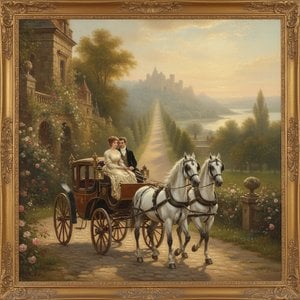
Embark on a visual journey through the romantic world of horse carriage art. Discover the mastery of equestrian oil paintings, from Impressionist textures to classical realism, and learn how to bring timeless elegance into your home with museum-quality reproductions.

Discover the breathtaking equestrian mastery of Sir Alfred James Munnings. Explore an art-history journey through his impressionistic captures of motion, light, and rural elegance, perfect for the discerning classic art enthusiast and collector.

Immerse yourself in the majesty of equestrian art. Discover museum-quality, hand-painted horse reproductions and bespoke commissions that capture the power and grace of the equine form. Perfect for discerning collectors seeking timeless elegance and unparalleled craftsmanship.

Explore the profound beauty of equestrian art. From the realism of Meissonier to impressionistic studies, discover how master techniques capture the noble spirit of the horse in fine oil reproductions and custom commissions.
 Predogled v realnem okolju
 Pošlji
 Deli
Deli
 Podrobnosti o delu
 Priročnik

 Prenesi sliko
 Podobni izdelki
 Rentgenski posnetek
 Predvajaj diaporama
 Vprašanja in odgovori
 Statistika

 Preberi več






































 Možnost stekla je na voljo le za velikosti pod 110 cm


