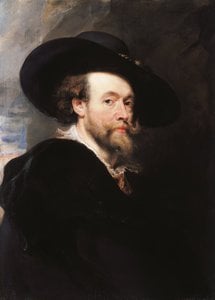
Biografija umetnika
Sir Peter Paul Rubens: A Baroque Master!
Peter Paul Rubens, flamski slikar, * 28. ali 29. junij 1577, Siegen, Vestfalija, † 30. maj 1640, Antwerpen, Belgija. Bil je flamski umetnik in diplomat iz vojvodine Brabant na južnem Nizozemskem (sodobna Belgija). Velja za najvplivnejšega umetnika flamske baročne tradicije. Rubensove močno preobložene kompozicije se nanašajo na učene vidike klasične in krščanske zgodovine. Jeho edinstveni stil je izjemno priljubljen zaradi gibanja, svetlosti in senzualnosti, kar sledi nemudoma dramatični umetniški slog promoviran v Reformaciji. Rubens je bil slikar ustvarjal altarpieces, portrete, krajolje, in zgodovinske slike mitoloških in alegoričnih temeljnih idej. Bil je tudi zelo produktiven oblikovalec kartonov za flamske tkanine, kot tudi prednje strani knjig v Antverpu.
Rubensova zgodba začela v Siegu, kjer se je rodil Peter Paul Rubens leta 1577. Njegov oče, Jan Rubens, odvetnik bežal iz Antwerpja zaradi svojih Calvinističnih prepričanj pod špansko oblastjo. Ta prvotna izguba je mlademu Peteru Paulu pustila občutek odpornosti in prilagodljivosti, kvalitete ki bodo služili njemu skozi njegovo večplasteno kariero. Po smrti očeta leta 1587 je družina vrnila Antwerp, kjer je prejela humanistično izobrazbo pred začetkom njegove umetniške prakse okoli leta 1590, opravljal pripravništvo pod Tobias Verhaecht in Adam van Noort, osvojil osnovne tehnike risanja in slikanja. Čas z Otto van Veejem pa je bil ključnega pomena, saj ga je izpostavil bogatijo umetniško dediščino italijanske Renesanse – svet, ki ga je kmalu zavzel z veseljem.
The Italian Awakening and Artistic Synthesis
Leta 1600 Rubens začel spremembo življenja v Italijo, peregrinacijo ki je njegovo umetniško vizijo nedvoumno oblikovala. Za štiri leta se je izgubil v mojestvu Michelangeloja, Rafaela in Titijana, vpijač svetlostjo njihove forme, barve in kompozicije. Vpliv italijanskih velikanov je jasen že v njegovih zgodnjih italijanskih delih, ki so značilni klasičnih temeljnih idej in idealiziranih figur. Čeprav ni samo kopiral; sintetiziral je te vplive z njimi samimi, razvil edinstven slog, ki je odlikovan svetlo barvami, dinamiko kompozicije in senzualno predstavitev človeške telesnosti. Temeljito se je študiral anatomijo, kar je vodilo k figuram, ki so fizično realistične, vendar tudi izrazitejše čustveno bogate. Ta obdobje ni bilo samo umetniška raziskovanje; bila je globoka intelektualna preobrazba, ki je spodbudila veliko občutek za klasično mitologijo in literaturo – svet, ki ga je zavzel z veseljem. Po vrnitvi iz Italije leta 1608 Rubens hitro ustanovil vodjo umetnika v svoji državi, kjer ga je imenovala vojvodinja Isabella Clara Eugenia za upravitelja španske Nizozemske. Špansko oblast je bila konservativna in odporna proti spremembam; italijanska država pa je bila zelo zahtevna. Rubens je bil zelo produktiven umetnik. Živel z Hélène Brandt, ki je postala njegova ljubezen in pogosto tema njegovih slik – njena mladostna lepota je bila predmet mnogih njegovih kasnejših del, izraz senzualnosti in življenjske energije, ki so odlikovali njegov slog. Rubens je kupil velik dom v modni četrti Antverpa, kjer je ustvarjal svoj umetniški studio za veliko število učencev in pomočnikov. Že zgodaj se je začel pripravljati za kariero umetnika – prvo zaposlilo ga je mesto mladega voditelja dvora pri vojvodini Isabella Clara Eugenia. Rubens je bil zelo produktiven umetnik. Živel z Hélène Brandt, ki je postala njegova ljubezen in pogosto tema njegovih slik – njena mladostna lepota je bila predmet mnogih njegovih kasnejših del, izraz senzualnosti in življenjske energije, ki so odlikovali njegov slog. Rubens je kupil velik dom v modni četrti Antverpa, kjer je ustvarjal svoj umetniški studio za veliko število učencev in pomočnikov. Že zgodaj se začel pripravljati za kariero umetnika – prvo zaposlilo ga je mesto mladega voditelja dvora pri vojvodini Isabella Clara Eugenia.
A Master of Many Forms: Painting Beyond Boundaries
Rubens ni omejeval svoje umetniške prakse samo na en slog; namesto tega je odlično opravljal zgodovinske slike, mitološke scene, portrete, krajolje in krščanske slike – dokaz njegove prilagodljivosti in neskončne ustvarjalnosti. Njegove velike slike so bile osupljive prikazi tehnične mojestva in dramatičnih zgodovin. Izguba Kristusa (c. 1616-1617) je dokaz njegove maestrske uporabe svetla in sence za ustvarjanje scen dramatčne intenzivnosti, vodijo gledalce v srce naracije. **Ustoličitev Kristusa** (1610-1611), z vrtoglavimi figurami in dinamično kompozicijo prikazuje njegovo sposobnost prenosa gibanja in energije – značilna za baročno umetniško estetiko. Čeprav so slike kot Žalostna Kristusa (c. 1636) izgledale statične, Rubens je v njih vložil življenje in energijo skozi svetlo barvno paleto ter senzualno predstavitev človeške telesnosti. Njegova tehnika bila izjemna – maestralna uporaba oljne slike, ki jo je uporabljal za ustvarjanje teksture in globine, skupaj z občutljivo glazuro tehnikami za doseganje svetlosti. Često je uporabljal alegorične figure in simbolsko umetniško govorico, dodajal delom kompleksne pomeni, ki so spodbudili razmišljanje in interpretacijo. Rubens ni samo definiral baročne umetnosti – dvignil jo je na novo raven prestižnega položaja.
Diplomacy, Legacy, and Enduring Influence
Rubensova diplomacija bila zelo pomembna za Nizozemsko. Bil je izjemno produktiven umetnik, ki je ustvarjal veliko slik za bogate patricije Evrope. Živel z Hélène Brandt, ki je postala njegova ljubezen in pogosto tema njegovih slik – njena mladostna lepota je bila predmet mnogih njegovih kasnejših del, izraz senzualnosti in življenjske energije, ki so odlikovali njegov slog. Rubens je kupil velik dom v modni četrti Antverpa, kjer je ustvarjal svoj umetniški studio za veliko število učencev in pomočnikov. Že zgodaj se začel pripravljati za kariero umetnika – prvo zaposlilo ga je mesto mladega voditelja dvora pri vojvodini Isabella Clara Eugenia. Rubens je ustvarjal velikih slik, ki so bile zelo priljubljene pri aristokraciji Evrope. Rubens je ustvarjal veliko slik, ki so bile zelo priljubljene pri aristokraciji Evrope. Že zgodaj se začel pripravljati za kariero umetnika – prvo zaposlilo ga je mesto mladega voditelja dvora pri vojvodini Isabella Clara Eugenia. Rubens je ustvarjal velikih slik, ki so bile zelo priljubljene pri aristokraciji Evrope. Že zgodaj se začel pripravljati za kariero umetnika – prvo zaposlilo ga je mesto mladega voditelja dvora pri vojvodini Isabella Clara Eugenia. Rubens je ustvarjal velikih slik, ki so bile zelo priljubljene pri aristokraciji Evrope. Že zgodaj se začel pripravljati za kariero umetnika – prvo zaposlilo ga je mesto mladega voditelja dvora pri vojvodini Isabella Clara Eugenia. Rubens je ustvarjal velikih slik, ki so bile zelo priljubljene pri aristokraciji Evrope. Že zgodaj se začel pripravljati za kariero



 Predogled
 Preklop na tiskanine
 Pošlji
 Deli
Deli
 Podrobnosti o delu

 Prenesi
 Podobni izdelki
 Rentgenski posnetek
 Predvajaj diaporama
 Statistika


 Razviljaj več






































 Možnost stekla je na voljo le za velikosti pod 110 cm